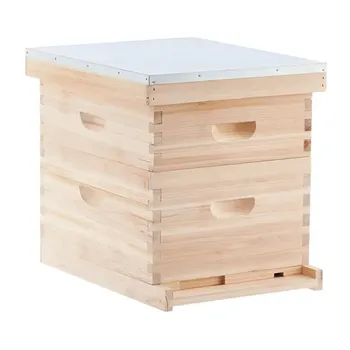
Langstroth hives equipped with plastic bottom pollen traps serve as the primary hardware for industrialized, high-volume bee pollen collection. These systems utilize a specialized physical grid to automatically strip pollen pellets from the legs of returning foragers, depositing them into a protected collection drawer. The combination of the standardized Langstroth design and durable plastic components ensures a clean, efficient, and scalable supply chain for high-quality raw materials.
This equipment functions as a non-destructive mechanical filter that intercepts pollen loads before they enter the hive, providing a standardized method for beekeepers to harvest large quantities of fresh, uncontaminated pollen. By integrating these traps into a modular hive system, distributors can offer a solution that balances high-yield production with essential colony health management.
The Mechanics of Industrial Pollen Extraction
Automated Mechanical Interception
The core function of the bottom pollen trap is the mechanical stripping of pollen pellets using a precision-engineered grid. As foraging bees enter the hive, they pass through this specialized aperture which gently scrapes the pollen from their hind legs.
Non-Destructive Harvesting
This process is designed to be non-destructive, allowing the bee to remain unharmed while the pollen falls into a designated collection container. This ensures that the colony's normal productivity and order are maintained even during peak harvesting periods.
The Advantage of Bottom-Mounted Placement
Unlike top-mounted alternatives, bottom traps are secured at the hive entrance, which typically causes less interference with bee flight frequency. This positioning is more effective for collecting fresh pollen carriers and simplifies the daily harvesting routine for large-scale operations.
Quality Control and Material Integrity
Plastic Material and Contamination Prevention
The use of high-quality plastic in the construction of these traps is critical for maintaining the purity of the harvested material. Plastic surfaces reduce the risk of environmental impurities and moisture absorption, providing a cleaner raw material compared to traditional materials.
Facilitating Physicochemical Analysis
By reducing contamination, these traps provide the high-quality samples required for subsequent component and physicochemical analysis. This is essential for verifyng nutritional value and ensuring the pollen meets the strict standards of industrial raw materials.
Monitoring Environmental Exposure
The fresh pollen collected through these traps serves as a primary source for pesticide residue analysis and palynological studies. This allows beekeepers and researchers to verify if bees have been exposed to treated crops, adding a layer of transparency to the supply chain.
Scalability and Standardized Management
The Langstroth Modular Framework
The Langstroth hive's standardized, modular structure allows for the seamless integration of automatic pollen traps. This compatibility is vital for distributors who need to provide interchangeable components that fit within a global beekeeping standard.
Precision Control of Colony Nutrition
The traps provide beekeepers with the ability to precisely control natural pollen input by engaging or disengaging the device. This is particularly useful when colonies need to be transitioned to specific protein-substitute diets for research or seasonal management.
Efficiency in Order Fulfillment
Standardized equipment allows for rapid deployment and easy replacement of consumable components. For wholesalers, stocking these modular systems ensures they can meet the demands of large-scale commercial beekeepers who require fast delivery and consistent hardware.
Understanding the Trade-offs
Impact on Colony Protein Stores
Continuous use of pollen traps can significantly reduce the amount of protein available to the developing brood. Beekeepers must manage the engagement of these traps carefully to ensure they do not stunt colony growth or weaken the hive's overall health.
Maintenance and Hygiene Requirements
While plastic traps help maintain cleanliness, they require regular cleaning to prevent mold and debris buildup. Neglecting maintenance can lead to the contamination of the very pollen the system is designed to protect.
Durability vs. Weight
Plastic traps are lightweight and cost-effective for shipping, but they must be manufactured from UV-resistant materials to withstand long-term field exposure. Lower-quality plastics may degrade over time, leading to grid warping and reduced collection efficiency.
Making the Right Choice for Your Goal
To maximize the value of these systems within your product portfolio, consider the following strategic alignments:
- If your primary focus is Industrial Scale Production: Prioritize the Langstroth modular design to ensure compatibility with existing large-scale apiary infrastructures.
- If your primary focus is High-Purity Raw Materials: Emphasize the plastic bottom trap’s ability to reduce environmental contamination and facilitate accurate laboratory analysis.
- If your primary focus is Supply Chain Reliability: Focus on sourcing durable, UV-resistant components that offer a long service life and standardized replacement parts for rapid fulfillment.
By providing standardized, high-efficiency pollen collection systems, you empower professional beekeepers to meet the growing global demand for clean and traceable bee products.
Summary Table:
| Feature | Function | Primary Benefit |
|---|---|---|
| Mechanical Grid | Automatically strips pollen from foragers | High-yield, labor-free collection |
| Bottom Placement | Intercepts pollen at the hive entrance | Reduced debris and higher purity |
| Plastic Material | Minimizes moisture and contaminants | Enhanced raw material integrity |
| Modular Design | Fits standard Langstroth frameworks | Scalable for commercial operations |
| Collection Drawer | Protects and stores falling pellets | Simplified harvesting and hygiene |
Scale Your Pollen Production with HONESTBEE
Are you a distributor, wholesaler, or B2B reseller looking to dominate the commercial beekeeping market? HONESTBEE is your premier partner for one-stop sourcing. We provide the full spectrum of professional hardware, from precision-engineered Langstroth hives and pollen traps to advanced honey-filling and hive-making machinery.
Why partner with us?
- Comprehensive Portfolio: Access all essential industry consumables and specialized equipment in one place.
- Premium Trading Services: Benefit from deep industry expertise, OEM/ODM support, and ultra-fast order fulfillment.
- Reliable Supply Chain: Our durable, UV-resistant components ensure long-term value and high profit margins for your clients.
Streamline your supply chain today. Contact HONESTBEE now to discuss wholesale opportunities and customized equipment solutions!
References
- Abdurrahman Şimşek, Devrim Oskay. Determination of Protein Content and Amino Acid Composition of Extracts Obtained by Ultrasonic-Assisted Extraction Using Different Solvents from Selected Bee Pollens Collected in Bingöl Cente. DOI: 10.29185/hayuretim.1687962
This article is also based on technical information from HonestBee Knowledge Base .
Related Products
- Langstroth Solid Bottom Board for Beekeeping
- Plastic Bee Hive Stand for Beekeeping
- Langstroth Screen Bottom Board for Beekeeping Wholesale
- Solid Bottom Board Australian Pine Wood Langstroth Bottom Board for Wholesale
- 30 cm Plastic Entrance Hole Bee Pollen Trap and Collector
People Also Ask
- What are the functions of solid bottom boards for a beehive? Essential Thermal Protection and Winter Survival Tips
- What is the purpose of a solid bottom board for bee hives? Enhance Hive Health and Winter Survival
- How does climate influence the choice between a solid and screened bottom board? Optimize Your Hive for Local Weather
- What is the primary function of a bottom board in a modern modified beehive system? Essential Foundation Guide
- What are the characteristics of a solid bottom board for a beehive? Boost Colony Health and Thermal Insulation