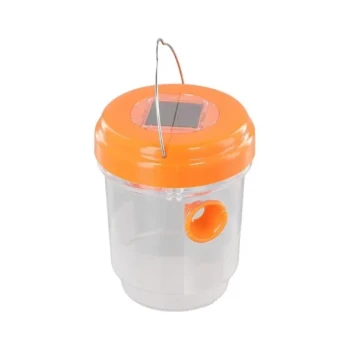
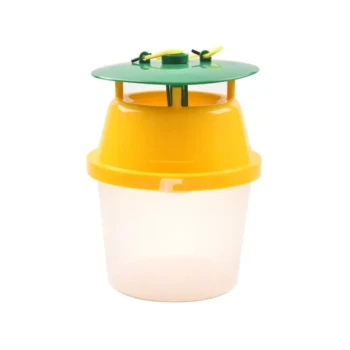
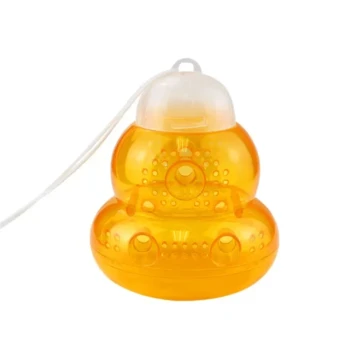
Light-based insect traps function as a targeted physical capture system that exploits the specific behavioral anomalies of honey bees infected by Apocephalus borealis. Because parasitized bees abandon their hives at night and exhibit positive phototaxis (attraction to light), these traps effectively isolate sick bees from the healthy colony. This capture mechanism allows beekeepers to secure the biological samples necessary to calculate parasitism rates and confirm the identity of the affecting species.
By leveraging the "zombie-like" nocturnal flight of infected bees, these traps serve as a diagnostic checkpoint rather than a treatment, providing the physical evidence required to quantify infection levels within an apiary.
The Mechanics of Detection
Exploiting Behavioral Anomalies
The primary function of the trap is to filter "abnormal" bees from the general population.
Healthy honey bees generally remain inside the hive during the night. In contrast, bees parasitized by Apocephalus borealis exhibit a distinct nocturnal hive-leaving tendency.
The Role of Phototaxis
Once the infected bees leave the hive, they display a strong attraction to light sources, known as phototaxis.
Light-based traps use this biological impulse against the parasite. By acting as a beacon in the dark, the trap draws these specific bees in, effectively separating them from the environment for analysis.
From Capture to Analysis
Gathering Biological Samples
Early detection relies heavily on having physical specimens to examine.
The trap automates the collection process, providing beekeepers with essential biological samples. Without this physical evidence, it is difficult to distinguish a parasitic infection from other colony collapse causes.
Calculating Parasitism Rates
Mere observation of a few dead bees is often insufficient for determining the severity of an outbreak.
By counting the number of bees captured in the light traps over a set period, apiary managers can generate parasitism rate statistics. This data is crucial for monitoring the overall health trajectory of the colony.
Confirming Species Identity
The final critical step facilitated by these traps is species identification.
Collecting the bees allows for subsequent examination to verify that Apocephalus borealis is indeed the culprit. This confirmation prevents misdiagnosis and ensures that management strategies are targeting the correct threat.
Understanding the Trade-offs
Detection Requires Manual Analysis
While the trap automates the collection of bees, it does not automate the diagnosis.
The trap serves as a collection funnel. Beekeepers must still perform the subsequent analysis and identification of the captured samples to derive actionable data.
Dependence on Bee Behavior
The effectiveness of the trap is entirely dependent on the specific behavioral symptoms of the infection.
If the environmental conditions obscure the light, or if the bees die before leaving the hive, the trap cannot provide an accurate representation of the infection rate. It is a tool for monitoring active, flight-capable carriers.
Integrating Traps into Apiary Management
To effectively use light-based traps for Apocephalus borealis detection, align your usage with your specific monitoring goals.
- If your primary focus is Early Warning: Deploy traps around the apiary perimeter to immediately identify the first signs of nocturnal flight activity.
- If your primary focus is Data Accuracy: Ensure consistent trap placement and checking schedules to generate reliable statistics on parasitism rates over time.
Consistently monitoring these traps transforms raw capture data into a clear picture of your apiary's biological health.
Summary Table:
| Function Category | Mechanism / Purpose | Key Benefit for Beekeepers |
|---|---|---|
| Behavioral Targeting | Exploits nocturnal phototaxis | Isolates infected 'zombie' bees from healthy ones |
| Sample Collection | Physical capture of specimens | Provides biological evidence for species verification |
| Data Monitoring | Quantifying capture frequency | Enables calculation of parasitism rates over time |
| Diagnostic Support | Identification checkpoint | Distinguishes parasitism from other colony collapse causes |
Secure Your Apiary’s Future with Professional Grade Solutions
Protecting your commercial hives from threats like Apocephalus borealis requires precision equipment and a reliable supply chain. HONESTBEE is dedicated to supporting commercial apiaries and distributors by providing a comprehensive range of wholesale beekeeping tools, specialized machinery, and essential consumables.
Whether you need advanced hive-making and honey-filling machines to scale your production, or high-quality hardware to manage colony health, we offer the expertise and inventory to help you succeed. Partner with HONESTBEE for a robust portfolio that covers everything from industrial equipment to honey-themed cultural merchandise.
Ready to scale your beekeeping operation? Contact us today to discuss our wholesale offerings!
References
- Erik Tihelka, Chao‐Dong Zhu. Global invasion risk of Apocephalus borealis, a honey bee parasitoid. DOI: 10.1007/s13592-021-00892-4
This article is also based on technical information from HonestBee Knowledge Base .
Related Products
- Solar Powered LED Wasp Trap
- Compact Multi-Funnel Hanging Wasp Trap
- Professional Bucket Style Wasp and Moth Pheromone Trap
- Professional Multi-Component Bucket Wasp Trap
- Gourd Shaped Hanging Wasp Trap Professional Wasp Catcher
People Also Ask
- What are the practical advantages of using professional wasp traps and protective equipment in apiary management? Scale Up
- Why replace sugar syrup bait in wasp traps every three days? Ensure Maximum Attraction and Catch Rates
- How can commercial apiary operators mitigate wasp predation around hives using specialized trapping equipment? Effective strategies for wasp control
- How do unripe honey combs or syrup-soaked empty combs function in Oriental Hornet monitoring systems?
- What role do Flumethrin-based products play in honeybee pest management? Boost Hive Survival and Spring Growth