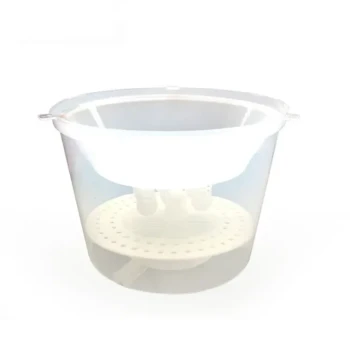
To use these sheets effectively, place a single unscented, disposable sheet on top of the frames within the hive's highest super, ensuring the fuzzy side faces upward. The method relies on the bees chewing the fibers to enhance their texture; as small hive beetles traverse this "fluffed" surface, their spurred legs become hopelessly entangled, trapping and eventually killing them.
Core Insight: This chemical-free method leverages the natural behavior of honeybees to create a mechanical trap. While effective for low-maintenance pest control, it requires active monitoring to ensure the bees are teasing the fibers rather than sealing the sheet with propolis.
The Mechanics of Entanglement
Strategic Placement
Success depends on location. You must place the sheet on the top bars of the frames in the highest super of the hive. This is a common area for beetles to congregate when harassed by bees, putting the trap directly in their path.
The Role of the Honeybee
The bees are active participants in this trapping method. Once the sheet is placed, the bees will naturally begin to chew and tease the material. This activity fluffs the fibers, maximizing the surface area and texture needed to snare the pests effectively.
The Trapping Action
The sheet functions as a mechanical snare rather than a chemical bait. As small hive beetles attempt to walk across the modified surface, the fibrous material catches the spurs on their legs. Unable to free themselves from the entanglement, the beetles eventually die within the fibers.
Understanding the Trade-offs
The Activation Lag
Patience is required when using this method. Because the bees must first chew the sheet to maximize its texture, the trap is not instantly effective. It typically takes several days after installation for the entanglement potential to reach its peak.
The Propolis Risk
A common failure mode occurs if the bees decide to seal the sheet rather than chew it. If the colony covers the sheet in propolis (bee glue), the fibers become matted and lose their ability to entangle beetle legs. While a propolized sheet may still trap beetles by pinning them underneath, its primary mechanical function is compromised.
Seasonal Incompatibility
These traps lose efficacy as the seasons change. During winter months, beetle populations naturally decline, and bees are more likely to seal the hive with propolis to prevent drafts. Therefore, sheets should be removed once cold weather begins to prevent unnecessary obstruction in the hive.
Maintenance and Lifecycle
Replacement Frequency
These are not permanent fixtures. A sheet must be removed and replaced once it becomes full of beetles or ineffective due to wear. It is standard practice to cycle through two to four rounds of traps during a single summer season.
Proper Removal
When a trap has served its purpose, it will likely be adhered to the frames. You must carefully pry the trap up to avoid jarring the frames excessively. Once removed, discard the beetle-filled sheet immediately to maintain hive hygiene.
Making the Right Choice for Your Goal
To determine if fibrous sheets are the right solution for your apiary, consider the following:
- If your primary focus is Chemical-Free Management: These sheets are an ideal choice as they rely entirely on physical entanglement rather than pesticides or baits.
- If your primary focus is Low-Maintenance Inspection: Be aware that you must check for propolization; if bees coat the sheet, it must be replaced or it will fail to snag beetles.
By aligning the trap's placement with the bees' natural instincts, you turn the colony's defensive behavior into an effective pest control system.
Summary Table:
| Feature | Details |
|---|---|
| Placement | Top bars of the highest hive super |
| Mechanism | Mechanical entanglement of beetle leg spurs |
| Bee Role | Chewing and teasing fibers to "fluff" the trap |
| Activation Time | Several days (requires bees to prep fibers) |
| Replacement | Every 2-4 rounds per summer or when full |
| Key Risk | Propolization (bees sealing fibers with glue) |
Scale Your Apiary Operations with HONESTBEE
Managing pests like the small hive beetle is just one part of a successful beekeeping operation. At HONESTBEE, we empower commercial apiaries and distributors with the professional-grade tools needed to thrive. From high-capacity honey-filling machines and precision hive-making equipment to a full spectrum of essential consumables, our wholesale solutions are designed for efficiency and durability.
Whether you are looking to streamline your honey production or stock your distribution network with premium beekeeping hardware and honey-themed merchandise, our team is ready to support your growth.
Ready to elevate your beekeeping business? Contact us today to explore our comprehensive product catalog and custom wholesale offerings.
Related Products
- Reusable Aluminium Beetle Trap for Small Hive Beetles Silver Bullet
- Removable Washable Hive Beetle Trap Attractants for Small Hive Beetles
- Reusable Clear Small Hive Beetle Traps for Beehives Beetle Trapping Tools
- Plastic Beetle Blaster Trap Beekeeping Tools and Supplies
- Black Plastic Beetle Barn Hive Beetle Trap for Beehives
People Also Ask
- How should powdered substances be used in beetle traps for hive beetle control? Expert Guide for Maximum Colony Protection
- Why are beetle traps less effective during winter? Seasonal Shifts in Pest Control Explained
- When is the best time to use small hive beetle traps in cold climates? Protect Your Honeybee Winter Stores Now
- When and how should disposable traps for small hive beetles be removed? Master Hive Hygiene and Efficiency
- How do small hive beetle traps contribute to colony management? Enhance Diagnostic Accuracy and Protect Hive Health