Plastic queen cups serve as the foundational hardware for the standardized, commercial harvesting of royal jelly. In this process, they function as artificial rearing chambers where technicians graft specific-age larvae to trick nurse bees into filling the cups with royal jelly. By replacing natural wax cells with these uniform containers, producers can achieve high-volume, mechanized collection while maintaining hygiene.
The Core Utility While their biological purpose is to simulate a natural queen cell to trigger the bees' feeding instinct, their commercial value lies in standardization. Plastic cups transform royal jelly production from an artisanal, variable process into a scalable, measureable, and hygienic industrial operation.
The Mechanics of Induced Secretion
Simulating the Biological Environment
Plastic cups are engineered to mimic the physical dimensions and orientation of natural queen cells. This design provides the necessary spatial triggers to encourage worker bees to accept the introduced larvae.
The Grafting Process
Technicians transfer (graft) worker bee larvae of a precise age into these plastic cups. The cups act as the physical housing for the larvae during the critical window of development.
Triggering Mass Production
Once placed in the hive—typically a queenless colony—the cups induce nurse bees to treat the larvae as potential queens. This triggers an instinctual response to secrete and deposit massive quantities of royal jelly into the cup to feed the larva.
Why Plastic is Critical for Commercial Scale
Standardization for Automation
Unlike natural beeswax, which varies in shape and thickness, plastic cups are manufactured to identical specifications. This uniformity is essential for using mechanical or semi-mechanical equipment to extract the jelly efficiently.
Precision in Measurement
Plastic cups have a consistent tare weight, unlike wax cups which are prone to deformation and weight variance. This allows producers to accurately weigh yields from individual cells, facilitating precise production tracking and research data collection.
Hygiene and Contamination Control
Using food-grade plastic ensures the royal jelly is not contaminated by foreign substances or degrading wax. The material creates a sterile "collection pool" that facilitates the clean separation of the larvae from the jelly during harvest.
Understanding the Trade-offs
Maintenance Requirements
While wax cells are often built and torn down by bees, plastic cups are reusable assets that require management. They must be thoroughly cleaned and sterilized between cycles to prevent the spread of pathogens between hives.
Acceptance Rates
While designed to mimic nature, plastic is still an artificial material. To ensure high larval acceptance rates, these cups often require specific preparation or "priming" so that the colony does not reject the foreign object before the secretion process begins.
Maximizing Production Efficiency
To optimize your royal jelly production using plastic queen cups, align your usage with your specific operational goals:
- If your primary focus is Scalability: Prioritize high-quality, dimensionally stable cups that integrate seamlessly with automated extraction machinery to reduce manual labor.
- If your primary focus is Yield Analysis: Utilize dark or colored plastic cups with verified weight consistency to simplify the visual inspection of larvae and ensure precise net-weight calculations.
The transition to plastic queen cups is the single most important factor in converting royal jelly harvesting from a biological curiosity into a viable commercial industry.
Summary Table:
| Feature | Natural Wax Cells | Plastic Queen Cups |
|---|---|---|
| Consistency | Irregular shape/size | 100% standardized dimensions |
| Durability | Fragile & single-use | Reusable & long-lasting |
| Automation | Incompatible with machines | Optimized for mechanical extraction |
| Hygiene | Higher risk of wax debris | Food-grade, sterile collection pool |
| Weight | Variable (hard to tare) | Fixed (precise yield measurement) |
Scale Your Royal Jelly Production with HONESTBEE
Transitioning to professional-grade equipment is the key to turning an artisanal craft into a high-yield commercial operation. HONESTBEE provides the global beekeeping industry with the specialized hardware needed to succeed. From precision-engineered plastic queen cups to advanced honey-filling and hive-making machinery, we cater to commercial apiaries and distributors with a comprehensive wholesale inventory.
Whether you need the essential consumables for this season or the heavy-duty machinery to automate your facility, we deliver the quality and reliability your business demands.
Ready to optimize your apiary’s efficiency? Contact our specialists today to discuss our wholesale solutions and find out how we can support your growth.
References
- Siriwat Wongsiri, Surachai Leepitakrat. Honey bee diversity and beekeeping in Thailand. DOI: 10.1080/0005772x.2000.11099464
This article is also based on technical information from HonestBee Knowledge Base .
Related Products
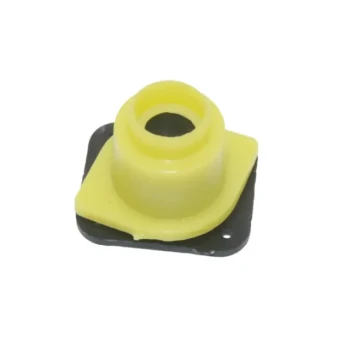
- JZBZ Type Wide Base Plastic Queen Cell Cups for Base Mounting and Queen Rearing
- Clear Black Plain Polystyrene Queen Bee Grafting Cell Cups No Lug for Bee Queen Cup
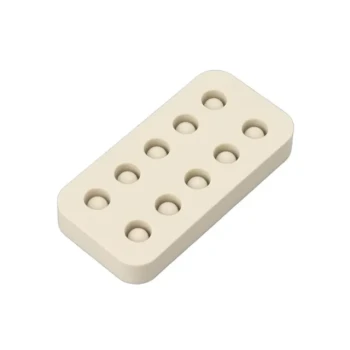
- 10-Cell Silicone Beeswax Bee Queen Cups Forming Mold
- Durable Plastic Push In Queen Bee Cage
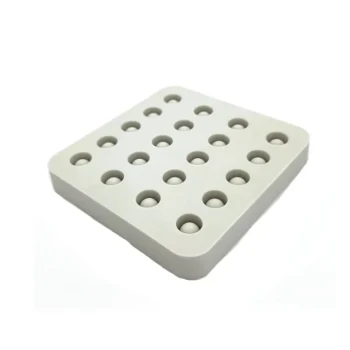
- High-Efficiency 20-Cell Silicone Mold for Beeswax Bee Queen Cup Production
People Also Ask
- What is the primary function of commercial plastic queen cell cups? Driving Efficiency in Mass Queen Rearing
- What are the primary advantages of using plastic queen cell cups? The Industrial Choice for High-Efficiency Apiaries
- What technical advantages do commercial plastic queen cell cups offer? Scale Your Queen Rearing for Maximum Efficiency
- What is the function of standardized plastic Queen Cell Cups? Boost Efficiency in Commercial Larval Grafting
- Why are standardized plastic queen cell cups preferred? Boost Commercial Queen Rearing Efficiency