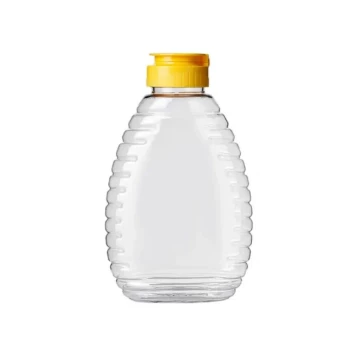
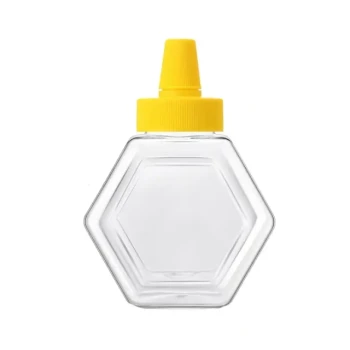
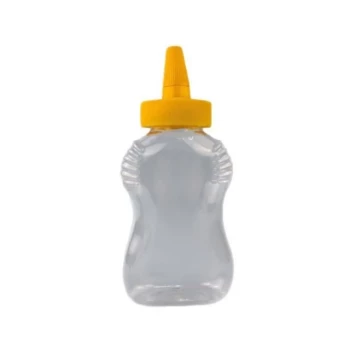
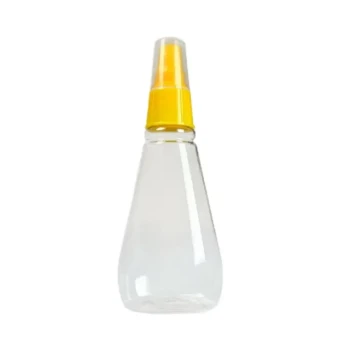
The primary function of plastic sealed bottles in this context is to act as a hermetic barrier against environmental moisture and contaminants.
Stingless bee honey differs significantly from standard honey due to its naturally higher water content, making it extremely hygroscopic and prone to rapid fermentation. Plastic sealed bottles effectively block the absorption of atmospheric humidity and prevent the entry of impurities, ensuring the honey remains stable and safe for consumption or analysis.
Core Takeaway Unlike standard honey, stingless bee honey is biologically active and chemically volatile. The definitive role of the sealed plastic bottle is to create a controlled environment that isolates the honey from air and moisture, thereby inhibiting fermentation and preserving the integrity of its medicinal and nutritional compounds.
Combatting Fermentation and Spoilage
The most critical challenge in storing stingless bee honey is its susceptibility to spoilage. Sealed bottles are the first line of defense in managing this inherent instability.
The Moisture Barrier
Stingless bee honey is hygroscopic, meaning it actively attracts and holds water molecules from the surrounding air. Sealed plastic containers strictly control contact between the honey and ambient air, preventing the honey from absorbing excess moisture that would degrade its quality.
Inhibiting Microbial Activity
Excessive water content in honey creates an environment conducive to yeast growth and fermentation. By maintaining an airtight seal, these bottles prevent the water content from rising to levels that trigger spoilage, effectively slowing down the fermentation process.
Preserving Purity and Chemical Integrity
Beyond preventing spoilage, these containers play a vital role in maintaining the honey's specific chemical and physical profile for both market value and scientific analysis.
Maintaining Bioactive Stability
Stingless bee honey is valued for its medicinal and nutritional bioactive components. High-quality sealed packaging stabilizes these components, ensuring that the honey retains its therapeutic properties during storage and off-season distribution.
Chemical Neutrality
Stingless bee honey is naturally acidic. Food-grade plastic containers provide chemical stability, ensuring the acidic liquid does not react with the container wall—a risk present with certain metals—thereby preserving the honey's natural pH and mineral content.
Protection for Laboratory Analysis
For scientific purposes, these bottles isolate samples to protect pollen composition and physicochemical properties. This isolation creates a reliable basis for microscopic identification and pollen morphological analysis, ensuring data remains accurate for up to six months.
Utility in Harvesting and Distribution
The design and standardization of these bottles also serve functional roles during the extraction and commercialization phases.
Facilitating Processing
During the harvesting phase, wide-mouth plastic containers are often utilized to receive honey pots removed from the hive. This design facilitates the physical separation of honey from beeswax, bark debris, and organic matter through manual or mechanical compression.
Commercial Standardization
Standardized containers, such as 750ml bottles, allow for precise measurement and consistent pricing in the market. This uniformity enhances professional presentation and ensures that the consumer receives a product that has been protected from environmental fluctuations.
Understanding the Trade-offs
While plastic sealed bottles are essential, they are rarely a standalone solution for long-term preservation.
The Necessity of Temperature Control
The primary reference and supporting data indicate that sealing alone may not be sufficient to stop fermentation indefinitely. To ensure maximum stability, the physical barrier of the bottle must often be combined with low-temperature refrigeration to fully inhibit microbial activity.
Material Quality is Non-Negotiable
Not all plastic is suitable for this purpose; the containers must be strictly "food-grade." Using inferior plastics can compromise the seal or fail to provide the necessary chemical inertness, risking contamination of the honey's delicate pH balance.
Making the Right Choice for Your Goal
When selecting or utilizing plastic bottles for stingless bee honey, your specific objective should dictate your protocol.
- If your primary focus is Commercial Sales: Prioritize standardized, food-grade bottles that offer a hermetic seal to maintain market value and prevent spoilage during price fluctuations.
- If your primary focus is Long-Term Storage: Combine airtight plastic sealing with refrigeration to strictly inhibit fermentation and preserve nutritional components.
- If your primary focus is Scientific Analysis: Ensure the container provides a complete physical barrier against light and air to maintain the integrity of pollen and raw data.
The plastic sealed bottle is not merely a vessel; it is a preservation tool required to counter the specific biological vulnerabilities of stingless bee honey.
Summary Table:
| Feature | Function in Stingless Bee Honey Storage | Benefit |
|---|---|---|
| Hermetic Seal | Blocks atmospheric moisture and contaminants | Prevents rapid fermentation |
| Chemical Neutrality | Resists reaction with honey's natural acidity | Maintains pH and mineral integrity |
| Physical Barrier | Isolates honey from environmental air/pollen | Preserves bioactive and nutritional profile |
| Standardized Size | Provides uniform volume for commercial sale | Facilitates pricing and professional logistics |
Elevate Your Beekeeping Business with HONESTBEE
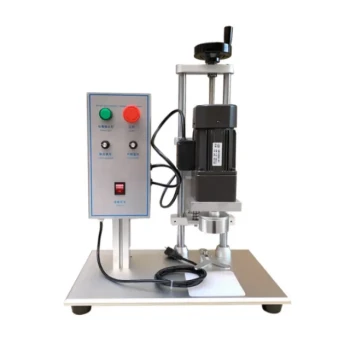
At HONESTBEE, we specialize in empowering commercial apiaries and distributors with high-performance beekeeping solutions. Whether you need specialized honey-filling machines to ensure a perfect hermetic seal or professional-grade beekeeping tools and machinery, our comprehensive wholesale catalog has you covered.
We provide the full spectrum of equipment—from hive-making technology to essential industry consumables—designed to preserve the integrity of your harvest and boost your market value. Maximize your honey quality and operational efficiency today.
Contact Our Experts at HONESTBEE
References
- César Delgado, Rosa Romero. Traditional Knowledge of Stingless Bees (Hymenoptera: Apidae: Meliponini) in the Peruvian Amazon. DOI: 10.14237/ebl.14.1.2023.1772
This article is also based on technical information from HonestBee Knowledge Base .
Related Products
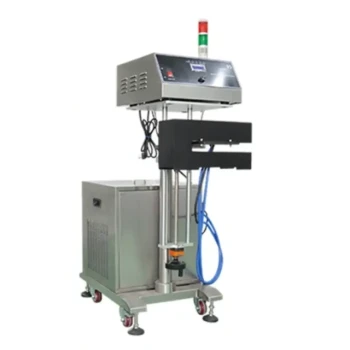
- Professional Water Cooled Induction Sealing Machine for Bottles and Containers
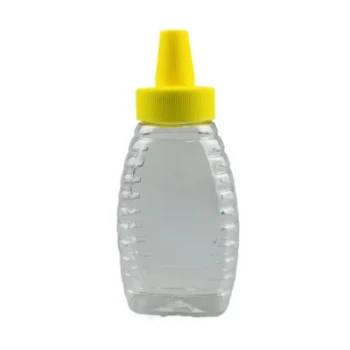
- Classic Beehive Honey Bottle Jar with Squeeze Dispenser Lid
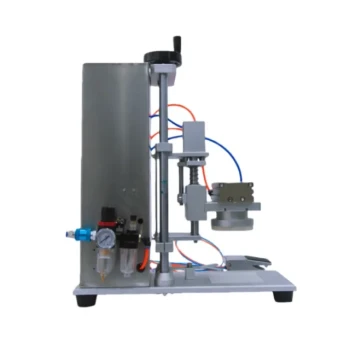
- HONESTBEE Professional Benchtop Pneumatic Bottle Capping Machine Capper
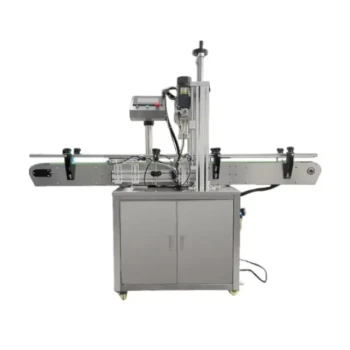
- Automatic Inline Spindle Bottle Capping Machine for Honey Production
- Professional Insulated Plastic Bee Hives
People Also Ask
- How does tamper-evident sealing equipment benefit the honey trade? Ensure Product Integrity and Market Trust
- What is the function of an induction sealing machine in packaging? Secure Your Brand with Tamper-Evident Seals
- How does an induction sealing machine work? Enhance Honey Packaging with Hermetic Seals & Tamper Evidence
- What is an induction sealing machine and how does it work? Achieve Airtight, Tamper-Evident Seals
- How does the induction sealing process work? Create Tamper-Evident, Airtight Seals for Your Products