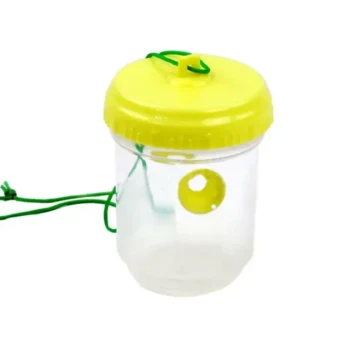
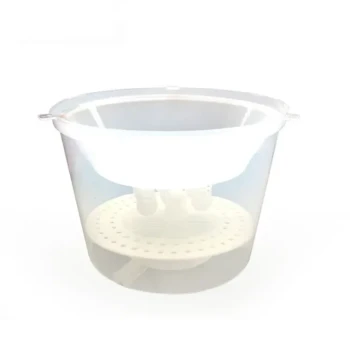
Pollen traps function as specialized mechanical filtration systems. Installed directly at the entrance of a beehive, these devices force returning foraging bees to navigate through a specifically designed physical grid. This process gently strips pollen pellets from the bees' hind legs as they enter, collecting the material without injuring the insect.
By leveraging the natural entry behavior of the colony, pollen traps automate the large-scale collection of high-purity bee pollen. They serve as a dual-purpose tool, enabling both commercial harvesting and the scientific monitoring of local biodiversity and colony foraging habits.
The Mechanics of Interception
The Grid Barrier System
The core component of a pollen trap is a physical grid with specific pore sizes. This grid acts as a permeable barrier covering the hive entrance.
To enter the hive, worker bees must crawl through these apertures. The openings are calibrated to be just large enough for the bee to pass, but too narrow to accommodate the pollen loads attached to their legs.
Mechanical Dislodging
As the bee squeezes through the grid, the edges of the aperture mechanically scrape or dislodge the pollen pellets.
Once separated from the bee's hind legs, gravity takes over. The pellets fall through a lower screen into a protected collection tray beneath the entrance, separating the harvest from the colony immediately.
Ensuring Quality and Efficiency
High Collection Efficiency
The primary function of the trap is to maximize the yield of natural pollen without manual intervention.
The design ensures a continuous, automated harvest as long as the bees are foraging. This allows for large-scale standardization of pollen collection during peak flowering periods.
Maintaining Raw Purity
Pollen traps are designed to achieve non-contact harvesting. Because the pollen is stripped mechanically and falls directly into a tray, it is not handled by the beekeeper during the initial collection phase.
This prevents contamination and preserves the initial purity of the raw material, which is essential for both high-quality nutritional supplements and accurate scientific analysis.
Utility Beyond Commercial Harvesting
Monitoring Foraging Activity
Beyond simple production, these traps act as diagnostic tools for researchers and apiarists.
By analyzing the trapped pollen, one can identify the floral sources the colony is utilizing. This provides data on the "honey flow" periods and the botanical diversity of the surrounding geographical area.
Quantitative Analysis
The collected material allows for precise weight analysis and species identification.
This data helps characterize the intensity of the colony's foraging efforts. It creates a tangible record of the relationship between local plant life and the nutritional intake of the hive.
Understanding the Trade-offs
Design Constraints and Safety
While the primary goal is collection, the device must be engineered to prevent injury.
The primary reference emphasizes that high-quality traps strip pollen without causing physical harm to the bee. A poorly designed grid could damage wings or legs, stressing the colony and reducing the workforce.
Balancing Harvest with Colony Nutrition
It is critical to remember that pollen is the colony's protein source.
While not explicitly detailed in the text, the function of the trap is to intercept pollen that was intended for the hive. Continuous use without management could potentially deprive the colony of necessary nutrients, implying a need for intermittent use.
Making the Right Choice for Your Goal
Whether you are a commercial producer or a researcher, the function of the trap remains the same, but your utilization strategy will differ.
- If your primary focus is Commercial Production: Prioritize traps with high-efficiency grids that maximize volume and maintain raw purity for consumer-grade products.
- If your primary focus is Scientific Research: Use the trap as a sampling tool to track floral diversity, foraging intensity, and environmental changes over specific timelines.
Pollen traps represent a vital technical link between the biological activity of the hive and the human utilization of hive products.
Summary Table:
| Feature | Functionality | Key Benefit |
|---|---|---|
| Physical Grid | Mechanical filtration at hive entrance | Safely strips pollen pellets from bees' legs |
| Collection Tray | Gravity-fed storage beneath the grid | Maintains raw purity and prevents contamination |
| Automated Design | Leverages natural foraging behavior | Enables large-scale, standardized production |
| Diagnostic Utility | Sampling floral sources and volume | Monitors local biodiversity and colony health |
Maximize Your Apiary's Productivity with HONESTBEE
Are you looking to scale your pollen production or upgrade your commercial beekeeping infrastructure? HONESTBEE specializes in supporting commercial apiaries and distributors with a robust selection of professional-grade equipment. From high-efficiency pollen traps and hive-making machinery to honey-filling systems and essential industry consumables, we provide everything you need to enhance your yield and maintain the highest product purity.
Take your beekeeping business to the next level. Contact our team today to explore our wholesale offerings and discover how our comprehensive toolset can streamline your operations and grow your brand.
References
- Evita Straumīte, Ruta Galoburda. Physical and Microbiological Characteristics and Antioxidant Activity of Honey Bee Pollen. DOI: 10.3390/app12063039
This article is also based on technical information from HonestBee Knowledge Base .
Related Products
- Removable Plastic Pollen Trap With Ventilated Tray for Bees Pollen Collector
- 30 cm Plastic Entrance Hole Bee Pollen Trap and Collector
- Plastic Bee Pollen Trap Strips Comb Catcher Collector
- High-Efficiency Diamond Maze Bee Escape for Clearing Supers
- Professional Bucket Style Wasp and Moth Pheromone Trap
People Also Ask
- What are the design principles and advantages of pollen traps in the collection of bee pollen? Boost Your Apiary Yield
- What is the function of professional pollen traps in evaluating honey plants? Quantifying Pollination and Crop Potential
- What functions do pollen traps serve for bee bread production? Optimize Your Raw Material Collection
- What maintenance and pest prevention measures should be taken for pollen traps? Protect Your Hive and Harvest Quality
- How does the use of pollen traps in honeybee hives enhance crop fertilization? Boost Your Yield Through Induced Activity