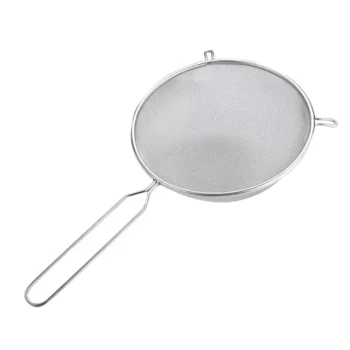
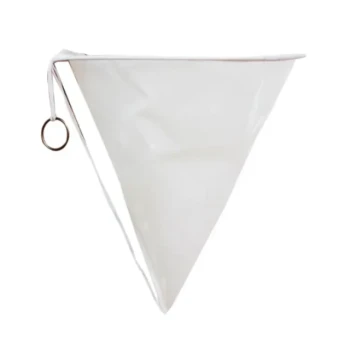
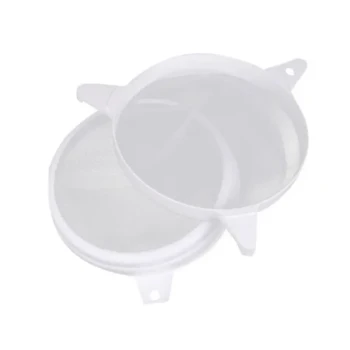
Professional filtration serves as the critical purification step in the pretreatment of immature honey, primarily tasked with removing suspended wax, impurities, and foreign substances. By eliminating these physical contaminants early, the equipment prepares the honey for successful moisture reduction (concentration) and ensures the final product adheres to strict food safety and visual quality standards.
The core function of this equipment is to eliminate "interference factors" before the honey undergoes concentration. It bridges the gap between raw extraction and stable production by ensuring the liquid is physically pure enough for processing machinery.
The Role of Filtration in Pretreatment
Removal of Physical Contaminants
The immediate function of professional filtration is mechanical separation. It targets and removes solid debris introduced during harvesting.
This includes beeswax fragments, bee remains, larvae parts, and general forest debris. Removing these solids is non-negotiable for meeting basic hygiene requirements.
Improving Optical Clarity
Filtration significantly enhances the aesthetic quality of the honey. By intercepting fine particles, the equipment ensures the honey achieves a clear, transparent appearance.
This step allows the product to meet consumer expectations for high-quality, visually appealing honey. It also ensures color uniformity, which is essential for retail standardization.
Optimizing Downstream Processing
Protecting Concentration Systems
Immature honey contains excess moisture and requires concentration to prevent fermentation. Filtration is a prerequisite for this stage.
By removing suspended solids first, filtration eliminates "interference factors." This prevents impurities from clogging concentration equipment or affecting the efficiency of moisture removal.
Facilitating Accurate Analysis
High-performance filtration ensures the honey is homogeneous. This is critical if the honey undergoes physicochemical or spectral analysis.
Removing coarse particles protects sensitive analytical instruments from clogging. It also ensures that measurements regarding color and refractive index are accurate and representative of the batch.
Understanding the Trade-offs
Pore Size vs. Nutritional Retention
Selecting the correct filter mesh size is a balancing act. While ultra-fine filtration produces extremely clear honey, it risks removing beneficial components.
If the mesh is too fine, you may inadvertently strip out natural pollen. This can lower the nutritional value and potentially disqualify the product from being marketed as "raw" or premium honey.
Flow Rate vs. Filtration Efficiency
Tighter filtration standards result in a slower process flow. High-precision filters capture more debris but require more pressure or time to process high volumes.
Operators must balance the need for absolute clarity against the throughput requirements of their production line to avoid bottlenecks.
Making the Right Choice for Your Goal
- If your primary focus is Industrial Concentration: Prioritize filtration that removes all macro-impurities to prevent fouling your evaporation or vacuum concentration equipment.
- If your primary focus is "Raw" Market Labeling: Utilize a coarser mesh size that removes wax and debris but permits natural pollen to pass through to the final product.
- If your primary focus is Shelf Stability: Ensure fine filtration is used to remove crystal-forming nuclei, which effectively delays the natural crystallization process in the bottle.
Filtration is not just about cleaning honey; it is about engineering a fluid that is safe, stable, and ready for the specific demands of your processing line.
Summary Table:
| Function Category | Key Role | Impact on Quality |
|---|---|---|
| Physical Purification | Removes wax, bee parts, and debris | Ensures food safety and hygiene |
| Optical Improvement | Enhances clarity and transparency | Meets consumer visual standards |
| Equipment Protection | Prevents clogging in concentration systems | Extends machinery lifespan and efficiency |
| Quality Stabilization | Removes crystal-forming nuclei | Delays crystallization and improves shelf life |
| Nutritional Balance | Controlled pore size selection | Retains natural pollen and health benefits |
Elevate Your Honey Production with HONESTBEE
Maximize the efficiency and quality of your apiary operations with HONESTBEE. As a dedicated partner to commercial apiaries and distributors, we provide a comprehensive wholesale range of professional beekeeping tools and advanced machinery.
Whether you need precision filtration systems, honey-filling machines, or industrial hive-making equipment, our solutions are designed to streamline your pretreatment process and protect your final product. From essential consumables to specialized hardware, HONESTBEE delivers the value and durability your business demands.
Ready to scale your production? Contact us today to explore our wholesale equipment solutions!
References
- Giorgi Madzgharashvili. OPTIMIZATION OF CONCENTRATION CONDITIONS FOR FOOD PRODUCTS WITH HIGH HUMIDITY. DOI: 10.33865/wjb.001.01.0004
This article is also based on technical information from HonestBee Knowledge Base .
Related Products
- Electric Double Wall Honey Filtering Machine Purifier Equipment for Honey Processing Plant
- 0.5T Capacity Honey Dehumidifier Dryer with Vacuum Heating and Thickening Filtering Machine
- Professional Stainless Steel Honey Filtering Machine with Water Bath Heating for Beekeeping
- Professional Stainless Steel Honey Filter with Support Handle
- Honey Concentrating and Filtering Dehumidifier Machine 2T Capacity for Honey
People Also Ask
- What is the process of filtering honey? A Guide to Clean, Pure, and Market-Ready Honey
- What types of equipment are used in honey filtering? Build an Efficient System for Pure, Marketable Honey
- What is the overall importance of using the right equipment in honey filtering? Boost Quality & Marketability
- What are the benefits of drying honey filtering equipment after use? Protect Your Honey Quality & Equipment Investment
- What steps are involved in maintaining honey filtering equipment? A Guide to Protecting Your Honey Quality