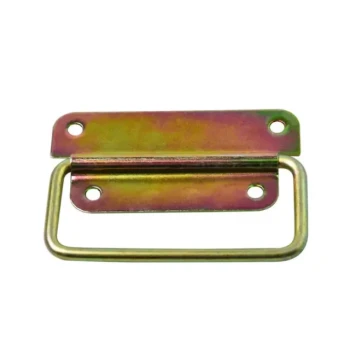
Rectangular iron stands are critical structural components designed to elevate beehives above the soil line. Their primary function is to physically isolate wooden hive boxes from the ground, effectively preventing soil moisture from rotting the equipment. Additionally, this elevation serves as a strategic barrier against ground-dwelling pests, such as ants and termites, safeguarding the colony and extending the lifespan of the hive materials.
While simple in design, the iron stand acts as the primary defense system for apiary infrastructure. By breaking contact with the soil, it mitigates the two most destructive forces against wooden hives—moisture erosion and subterranean infestation.
Preserving Equipment Integrity
Preventing Moisture Erosion
The most immediate function of an iron stand is protecting the wooden components of the hive. Direct contact with the ground allows soil moisture to wick into the wood, leading to rapid rot and structural failure.
By elevating the hive to a specific height, the stand ensures the wood remains dry. This significantly extends the service life of the apiary equipment, reducing the frequency and cost of replacements.
Defense Against Subterranean Termites
Beyond simple moisture control, the stand acts as a physical firewall against subterranean termites. Without an elevated barrier, termites can easily access and destroy the wooden floorboards and boxes from the soil below.
The iron stand provides necessary visual clearance. This allows beekeepers to perform manual monitoring and cleaning, making it easy to detect and disrupt termite mud tubes before significant damage occurs.
Pest Management and Colony Health
Reducing Ant Infestation
Iron stands create a difficult vertical surface for insects to traverse. This is particularly vital for preventing ant infestations, especially in uncolonized hives that lack a strong bee population to defend themselves.
By limiting access points, the stand decreases infestation rates during the critical pre-colonization phase. This protection helps ensure the hive remains habitable for a new swarm or package of bees.
Deterring Larger Predators
Elevation provides a defensive advantage against larger predators, such as skunks. When a hive is raised, pests are forced to expose their vulnerable underbellies to the guard bees if they attempt to scratch at the entrance.
Improving Hive Ventilation
Lifting the hive off the ground facilitates better air circulation. Improved airflow around the base of the hive helps regulate internal humidity and temperature, contributing to overall colony health.
Operational and Ergonomic Benefits
Facilitating Inspection
The clearance provided by the stand simplifies maintenance. Beekeepers can easily inspect the underside of the hive for debris, pests, or structural issues without lifting the heavy boxes.
Reducing Physical Strain
Apiary management requires frequent heavy lifting. Iron stands position the hive at a more accessible height, reducing the need for the beekeeper to bend over deeply, which improves ergonomics and reduces back strain.
Understanding the Trade-offs
Material Maintenance
While iron stands protect the wood, the stands themselves require care. Iron is susceptible to rust and corrosion if not galvanized or painted, particularly in humid environments.
Stability Concerns
Elevation changes the center of gravity. If the iron stand is not placed on a perfectly level surface, or if the legs sink unevenly into soft soil, the hive risks tipping over during high winds or heavy honey flows.
Making the Right Choice for Your Apiary
The decision to use iron stands should be based on your specific environmental challenges and operational goals.
- If your primary focus is Equipment Longevity: Prioritize iron stands in wet or humid climates to prevent wood rot and moisture erosion.
- If your primary focus is Pest Control: Use stands to create a visual gap between the soil and the hive, allowing for early detection of termite mud tubes and ant trails.
- If your primary focus is Ergonomics: Select a stand height that minimizes bending during routine inspections to reduce physical strain.
Investing in proper elevation is not just about holding the hive up; it is a foundational strategy for securing the health of your bees and the longevity of your investment.
Summary Table:
| Function | Primary Benefit | Target Threat |
|---|---|---|
| Moisture Isolation | Prevents wood rot and structural decay | Soil moisture and humidity |
| Pest Barrier | Deters crawling insects and termites | Ants, termites, and skunks |
| Airflow Promotion | Enhances ventilation and humidity control | Internal hive moisture |
| Ergonomics | Reduces beekeeper back strain | Physical lifting fatigue |
| Inspection Gap | Enables easy monitoring of hive undersides | Termite mud tubes and debris |
Maximize Your Apiary Productivity with HONESTBEE
At HONESTBEE, we understand that professional beekeeping requires durable, high-performance infrastructure. As a leading supplier for commercial apiaries and distributors, we provide a comprehensive range of wholesale beekeeping solutions—from heavy-duty hive-making and honey-filling machinery to essential hardware like iron stands and hive components.
Whether you are scaling your operations or sourcing premium industry consumables, our expertise ensures your investment is protected and your colony thrives. Partner with us to access professional-grade tools designed for efficiency.
Contact HONESTBEE Today to Discuss Wholesale Opportunities
References
- SA Babarinde, AO Akinyemi. Evaluation of four apicultural products for hive colonization by honey bees (Apis mellifera adansonii) (Hymenoptera: apidae) and pre-colonization pests.. DOI: 10.18697/ajfand.69.13615
This article is also based on technical information from HonestBee Knowledge Base .
Related Products
- Metal Hive Feet Bee Hive Stand for Ant Protection
- Metal Bee Hive Stand Bee Box Stand for Beekeeping
- Professional Ant-Proof Beehive Stand with Integrated Moat for Beekeeping
- Plastic Bee Hive Stand for Beekeeping
- Professional Galvanized Steel Frame Rest for Beehives
People Also Ask
- What are the benefits of elevating a bee hive with a stand or base? Protect Your Colony and Your Back
- How does a beehive stand protect against predators and pests? Essential Strategies for Colony Security
- How should the height of a beehive stand be determined? Find Your Ergonomic Sweet Spot
- What to stand a beehive on? The Best Foundation for a Healthy, Manageable Apiary
- How do beehive stands and ground installation methods affect beekeeping productivity in extreme climates? Maximize Yields