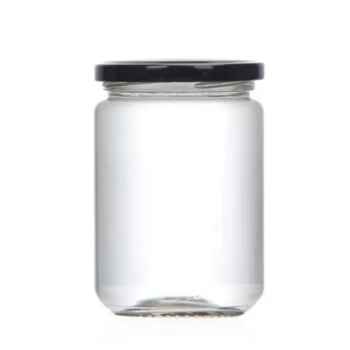
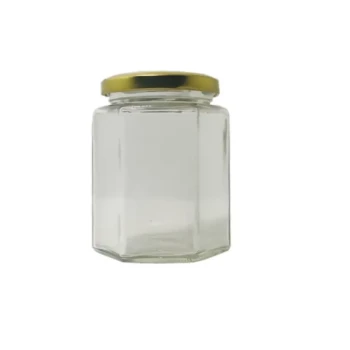
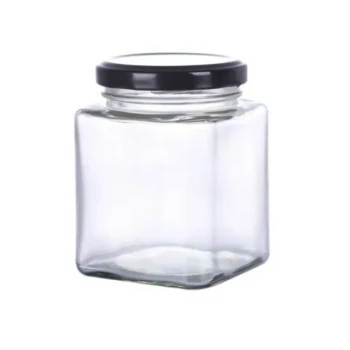
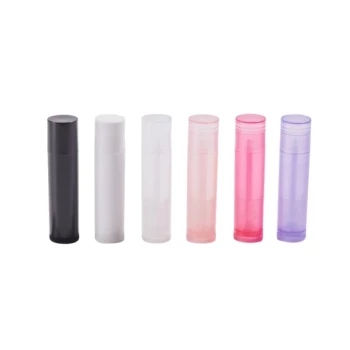
Sealed plastic containers function essentially as micro-environmental regulation chambers. By providing a physical barrier, they isolate the rearing environment from external atmospheric conditions. This isolation works in tandem with internal chemical salt solutions to strictly control relative humidity, preventing the evaporation and spoilage of essential larval food.
The primary value of the sealed container is its ability to create a stable, independent ecosystem. It decouples the delicate rearing process from the ambient environment to ensure larval food retains the correct moisture content and nutritional integrity.
Mechanisms of Environmental Control
Stabilization of Relative Humidity
The most critical function of the container is humidity control. The plastic walls create a non-permeable barrier that traps moisture within the rearing chamber.
This containment allows internal chemical salt solutions to regulate the atmosphere effectively. Without the sealed container, these solutions would be overwhelmed by ambient air, rendering them useless for precise humidity management.
Preservation of Larval Food
Stingless bee larvae rely on liquid provisions that are highly susceptible to drying out. The sealed environment prevents the evaporation of water from this food source.
By maintaining the correct viscosity and concentration of the food, the container ensures the larvae receive consistent nutrition. This physical isolation also protects the food from external contaminants that could lead to spoilage.
Physical Isolation
While sealing tape is often used on hives to prevent pests and light entry, the plastic rearing container offers a more granular level of protection. It creates a secondary line of defense specifically for the developing queens.
This isolation mimics the protective nature of a natural colony but with greater precision. It creates a consistent "micro-climate" that remains unaffected by rapid changes in the surrounding room or incubator.
Critical Considerations and Trade-offs
Dependence on Internal Regulation
A sealed container creates a closed system, which presents a specific risk: it cannot self-regulate without assistance. If used without the correct chemical salt solutions, the humidity can spike uncontrollably.
This can lead to condensation buildup on the container walls. Excessive free moisture is just as dangerous as dryness, promoting fungal growth that can ruin the batch.
The "Stagnant Air" Risk
Total isolation implies a lack of air exchange. While this is necessary for humidity control, it requires that the internal biological load be managed carefully.
If organic matter begins to rot inside the sealed environment, the gases cannot escape. The container maximizes the efficiency of the rearing process but amplifies the consequences of poor sanitation.
Making the Right Choice for Your Goal
To maximize your success rates in stingless bee queen rearing, align your equipment usage with your specific environmental challenges:
- If your primary focus is preventing dehydration: Prioritize the integrity of the seal to ensure the chemical salt solutions can maintain equilibrium without battling ambient air.
- If your primary focus is food consistency: Use the sealed container to lock in moisture, ensuring the larval diet does not become too viscous due to evaporation.
The sealed plastic container is not just a box; it is an active tool for locking in the precise environmental parameters required for biological success.
Summary Table:
| Function | Mechanism | Benefit for Larvae |
|---|---|---|
| Humidity Regulation | Works with salt solutions to create a non-permeable barrier | Prevents dehydration and stabilizes moisture levels |
| Food Preservation | Isolates liquid provisions from ambient air | Maintains nutritional integrity and prevents spoilage |
| Physical Isolation | Secondary defense against external contaminants | Mimics natural colony protection with higher precision |
| Micro-Climate Control | Decouples rearing from ambient environment fluctuations | Ensures consistent growth conditions regardless of weather |
Elevate Your Commercial Beekeeping Success with HONESTBEE
To achieve biological success in stingless bee queen rearing, you need more than just containers—you need a partner who understands the intricacies of the industry. HONESTBEE serves commercial apiaries and distributors worldwide with a comprehensive suite of professional beekeeping solutions.
Our value to your business includes:
- Comprehensive Wholesale Offering: From hive-making and honey-filling machines to high-precision rearing equipment.
- Essential Industry Consumables: A wide array of tools and hardware designed to maintain the delicate ecosystems of your colonies.
- Specialized Cultural Merchandise: Unique honey-themed products to expand your market reach.
Whether you are scaling your queen rearing operations or seeking a reliable global supplier for beekeeping machinery, we are here to support your growth.
Contact HONESTBEE today to discuss your wholesale needs
References
- Charles Fernando dos Santos, Betina Blochtein. In vitro rearing of stingless bee queens and their acceptance rate into colonies. DOI: 10.1007/s13592-015-0398-2
This article is also based on technical information from HonestBee Knowledge Base .
Related Products
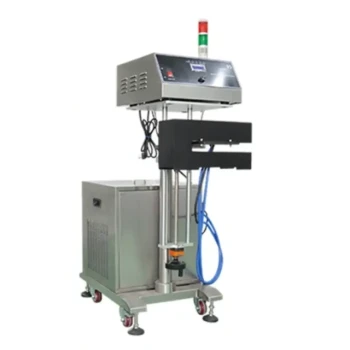
- Professional Water Cooled Induction Sealing Machine for Bottles and Containers
- Professional Insulated Plastic Bee Hives
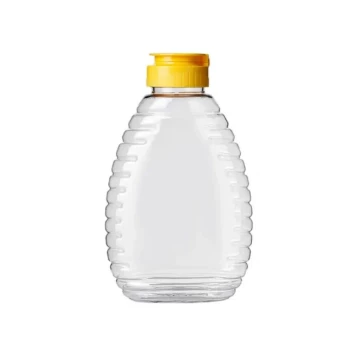
- Squeezable No-Drip Beehive-Shaped Honey Jars with Flip-Top Cap
- Plastic Transporting Bee Packages and Nuc Boxes for Beekeeping
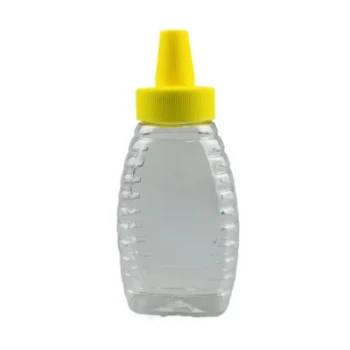
- Classic Beehive Honey Bottle Jar with Squeeze Dispenser Lid
People Also Ask
- How does tamper-evident sealing equipment benefit the honey trade? Ensure Product Integrity and Market Trust
- What is the function of an induction sealing machine in packaging? Secure Your Brand with Tamper-Evident Seals
- How does an induction sealing machine work? Enhance Honey Packaging with Hermetic Seals & Tamper Evidence
- What is an induction sealing machine and how does it work? Achieve Airtight, Tamper-Evident Seals
- How does the induction sealing process work? Create Tamper-Evident, Airtight Seals for Your Products