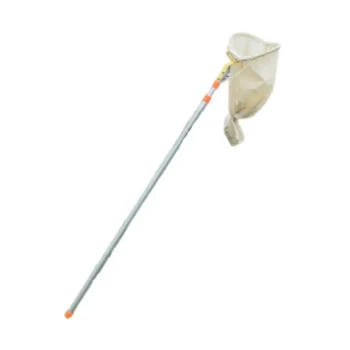
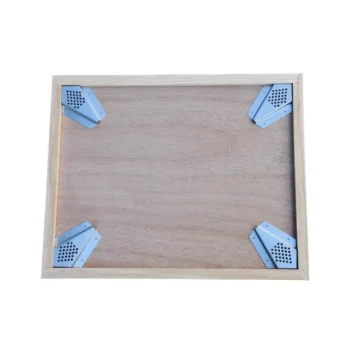
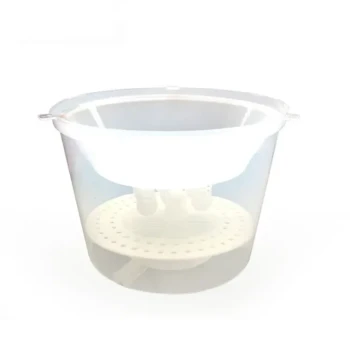
Special Traps, technically referred to as dead bee collectors, are specialized hardware components installed directly beneath the entrance of a beehive. Their primary function is to intercept and aggregate the carcasses of honeybees that are removed from the colony by worker bees, providing a tangible sample set for environmental and biological analysis.
By capturing bee mortality at the source, these traps transform the hive into a bio-indicator. They provide the physical evidence necessary to distinguish between natural colony turnover and mortality caused by environmental toxicity.
The Mechanism of Collection
Leveraging Natural Hygiene
Honeybee colonies possess a natural instinct to maintain a clean hive environment. Worker bees physically drag deceased colony members out of the hive entrance to prevent disease spread.
Passive Interception
The Special Trap is positioned to take advantage of this behavior. As workers eject the carcasses, the device intercepts them before they fall to the ground, preserving the sample on a standardized physical platform.
Environmental Diagnostic Functions
Detecting Chemical Toxicity
The collected samples serve as critical data points for environmental toxicology. Because bees forage across wide areas, their bodies accumulate chemical signals from the landscape, acting as direct indicators of high-toxicity substances.
Analyzing Mortality Causes
These traps enable researchers to determine the root cause of colony decline. By analyzing the samples in a laboratory, scientists can identify specific pesticide residues or other chemical agents responsible for mass mortality events.
Establishing Baseline Health
Beyond chemical analysis, the sheer volume of dead bees provides immediate data. Technicians can count the carcasses to calculate a daily mortality rate, establishing a baseline for what "normal" loss looks like versus an acute die-off.
Operational Advantages
Non-Invasive Monitoring
One of the most significant benefits of the Special Trap is its external placement. It allows technicians to estimate colony health and mortality rates without disturbing the internal colony environment.
Standardized Sampling
Unlike counting dead bees found randomly on the ground, the trap provides a controlled collection method. This standardization ensures that data is consistent and accurate over time, regardless of the surrounding terrain.
Understanding the Trade-offs
Differentiating Causes
While the trap collects data efficiently, it does not automatically diagnose the cause of death. A pile of dead bees could result from natural senescence (old age) or acute poisoning; distinguishing between the two requires further chemical analysis or expert interpretation of the count volume.
Sample Integrity
The physical samples are subject to environmental decay if not collected promptly. To ensure the accuracy of toxicity tests, the biological material in the trap must be gathered regularly before it degrades or is scavenged by other insects.
Making the Right Choice for Your Goal
When implementing Special Traps in your monitoring project, align your usage with your specific data requirements:
- If your primary focus is Ecotoxicology: Prioritize the preservation of the sample for laboratory testing to identify specific chemical environmental signals and pesticide residues.
- If your primary focus is Colony Management: Focus on the daily volume count to track mortality trends and identify sudden health deviations without opening the hive.
These devices bridge the gap between biological observation and hard data, turning the loss of individual bees into actionable environmental intelligence.
Summary Table:
| Feature | Function & Purpose | Primary Benefit |
|---|---|---|
| Mechanism | Passive interception at hive entrance | Preserves samples before environmental decay |
| Diagnostic Use | Toxicology & residue analysis | Identifies specific pesticide and chemical signals |
| Data Output | Daily mortality rate calculation | Establishes health baselines without hive disturbance |
| Monitoring | Non-invasive external observation | Maintains colony stability while gathering data |
Elevate Your Environmental Monitoring with HONESTBEE
As a commercial apiary or distributor, precision is key to protecting your assets and the environment. HONESTBEE provides the professional-grade hardware and beekeeping tools necessary to transform your colonies into sophisticated bio-indicators.
From specialized dead bee collectors and hive-making machinery to comprehensive consumables, we supply everything the modern industry requires to scale operations and ensure colony health. Partner with us to access wholesale solutions tailored for large-scale success.
Contact HONESTBEE Today for Wholesale Inquiries and Equipment Specs
References
- Żaneta Bargańska, Jacek Namieśnik. Honey bees and their products: Bioindicators of environmental contamination. DOI: 10.1080/10643389.2015.1078220
This article is also based on technical information from HonestBee Knowledge Base .
Related Products
- 30 cm Plastic Entrance Hole Bee Pollen Trap and Collector
- Removable Plastic Pollen Trap With Ventilated Tray for Bees Pollen Collector
- Plastic Bee Pollen Trap Strips Comb Catcher Collector
- 8 Frame and 10 Frame Propolis Trap Collector Screen for Propolis Collection
- Black Plastic Beetle Barn Hive Beetle Trap for Beehives
People Also Ask
- What are the design principles and advantages of pollen traps in the collection of bee pollen? Boost Your Apiary Yield
- Why is frequent harvesting of bee pollen from traps necessary for quality control? Ensure Freshness and Prevent Mold.
- How often should bee pollen be harvested from a trap and why? Master Freshness and Prevent Spoilage
- What function do pollen traps serve in quantitative collection? Boost Your Apiary's Data & Production Efficiency
- What is the primary function of bee pollen traps? Optimize Your Pollen Harvest with Advanced Extraction Efficiency