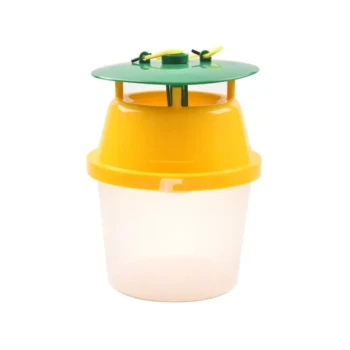
Specialized Bee Pollen Traps are precision mechanical filters installed at the hive entrance to systematically isolate and collect specific floral varieties. By using calibrated apertures to gently scrape pollen pellets from the legs of returning bees during the peak bloom of a single plant species, these traps ensure the high botanical purity required for monofloral certification. This hardware is the primary tool for transitioning from generic multi-floral blends to high-value, standardized monofloral products like wild mustard or Cistus pollen.
Specialized Bee Pollen Traps serve as the essential quality-control mechanism at the source, allowing producers to harvest pure, non-biotransformed raw material during specific flowering windows. For B2B distributors, this technology is the foundation of a consistent, premium monofloral supply chain that meets rigorous antioxidant and species-purity standards.
The Role of Precision Hardware in Monofloral Production
Mechanical Interception of Botanical Sources
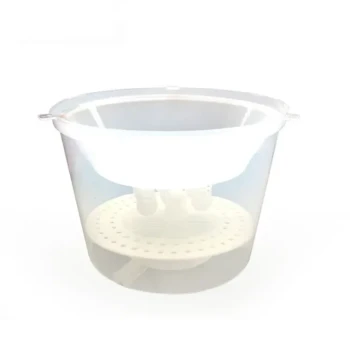
The trap utilizes a specific grid structure designed to intercept pollen pellets as worker bees enter the hive. This mechanical process ensures that the pollen is collected before it can be processed into "bee bread" within the colony.
By preventing this biotransformation, the traps preserve the raw, primary bio-active compounds—including proteins and amino acids—that high-end buyers demand. This leads to a more stable and predictable raw material for international trade.
Strategic Timing for Floral Purity
Monofloral production relies entirely on the synchronization of trap activation with the peak bloom of a target species. Producers activate the specialized traps only when the surrounding landscape is dominated by a single nectar and pollen source.
This targeted collection method minimizes the introduction of "background" pollen from secondary species. The result is a commercially pure product that accurately reflects the foraging preferences and honey flow periods of a specific geographical area.
Enhancing Industrial Sourcing and Yield
Transitioning to High-Yield Industrial Output
Specialized traps are the core hardware for moving from traditional beekeeping to mechanized, industrial-scale production. They allow for high-efficiency harvesting across thousands of hives simultaneously.
For wholesalers, this mechanization ensures a scalable supply of raw materials. It provides the necessary volume to fulfill large-scale orders without compromising the botanical integrity of the batch.
Maintaining Bio-active Integrity
The design of the collection tray below the trap prevents the pollen from being exposed to the internal environment of the hive for long periods. This reduces moisture accumulation and potential contamination from hive debris.
By harvesting "fresh" pollen directly from the trap, producers can move the product immediately to cold storage or drying facilities. This rapid turnaround is critical for maintaining the phenolic compounds and antioxidant levels required for premium-grade exports.
Understanding the Trade-offs and Limitations
Impact on Colony Nutritional Balance
While traps are efficient, they must be managed carefully to avoid depleting the hive's own nutritional stores. Collecting 100% of incoming pollen over long periods can stress the colony and reduce brood rearing.
Professional producers use "intermittent trapping" or specifically designed grids that allow a small percentage of pollen to pass through. This ensures the long-term health of the bee population, which is vital for maintaining year-over-year supply stability.
Sensitivity to Environmental Factors
Pollen traps are highly sensitive to weather conditions; high humidity or rain can cause the collected pellets to spoil quickly in the tray. This requires labor-intensive daily collection cycles during peak bloom to ensure the product remains commercial grade.
Furthermore, the physical aperture size must be perfectly calibrated to the specific bee species. If the grid is too tight, it can cause physical injury to the foragers; if too loose, the purity of the monofloral collection drops significantly.
How to Leverage This Expertise for Your Business
Selecting the Right Source for Your Portfolio
When sourcing monofloral pollen for distribution, understanding the producer's hardware and timing protocols is essential for verifying quality.
- If your primary focus is premium health-brand positioning: Prioritize suppliers who utilize specialized traps during narrow flowering windows to ensure maximum antioxidant content and species purity.
- If your primary focus is large-scale industrial supply: Focus on producers with mechanized trapping systems that offer consistent volumes and rapid processing to ensure fresh delivery.
- If your primary focus is supply chain transparency: Seek partners who use trap data for species identification and geographical characterization to provide full traceability for your end-customers.
The strategic use of specialized Bee Pollen Traps is the definitive factor in producing the high-purity, bio-active monofloral products that define the modern premium pollen market.
Summary Table:
| Feature | Function in Monofloral Production | Commercial Benefit |
|---|---|---|
| Mechanical Grid | Intercepts pollen pellets before hive entry | Preserves raw bio-active compounds |
| Strategic Timing | Activated only during specific bloom peaks | Ensures high species purity (e.g., Cistus) |
| Scalable Design | Facilitates mechanized, high-yield harvesting | Meets large-scale B2B supply demands |
| Tray Isolation | Prevents moisture and hive debris contamination | Maintains export-grade antioxidant levels |
Scale Your Monofloral Supply Chain with HONESTBEE
At HONESTBEE, we empower commercial apiaries and B2B distributors with the precision hardware required to dominate the premium bee product market. Whether you are seeking specialized pollen traps to ensure botanical purity or honey-filling machinery to streamline your output, our comprehensive wholesale portfolio has you covered.
Why Partner with HONESTBEE?
- One-Stop Sourcing: From high-tech hive machinery to essential industry consumables.
- Market Competitive Edge: High-purity tools that maximize your profit margins and meet rigorous certifications.
- Efficient Fulfillment: Ultra-fast delivery and rapid response times to keep your inventory stocked.
- Deep Expertise: Professional guidance on OEM/ODM support and industrial-scale production strategies.
Ready to elevate your sourcing efficiency? Contact HONESTBEE Today to access our full-spectrum product portfolio and dedicated customer support.
References
- Mehmet Yağcıoğlu, Aytül Uçak Koç. Evaluation of Bee Pollen Produced in Wild Mustard (Sinapis arvensis L.), Rock Rose (Cistus criticus) and Wild Lavender (Lavandula Stoechas) Fields in Aydın Vicinity as Monofloral Bee Pollen and Determining Some Chemical Properties. DOI: 10.25308/aduziraat.1435984
This article is also based on technical information from HonestBee Knowledge Base .
Related Products
- 30 cm Plastic Entrance Hole Bee Pollen Trap and Collector
- Removable Plastic Pollen Trap With Ventilated Tray for Bees Pollen Collector
- Plastic Bee Pollen Trap Strips Comb Catcher Collector
- High-Efficiency Diamond Maze Bee Escape for Clearing Supers
- HONESTBEE Professional Telescopic Pole Bee Swarm Catcher
People Also Ask
- What are the design principles and advantages of pollen traps in the collection of bee pollen? Boost Your Apiary Yield
- Why is frequent harvesting of bee pollen from traps necessary for quality control? Ensure Freshness and Prevent Mold.
- How often should bee pollen be harvested from a trap and why? Master Freshness and Prevent Spoilage
- What function do pollen traps serve in quantitative collection? Boost Your Apiary's Data & Production Efficiency
- What is the primary function of bee pollen traps? Optimize Your Pollen Harvest with Advanced Extraction Efficiency