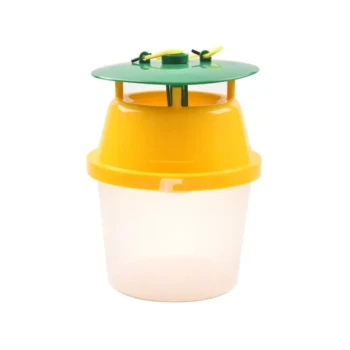
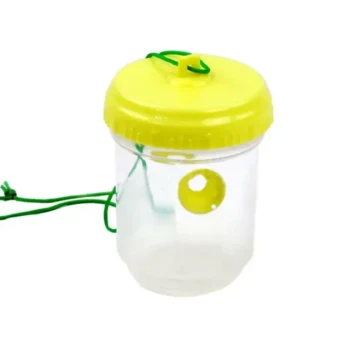
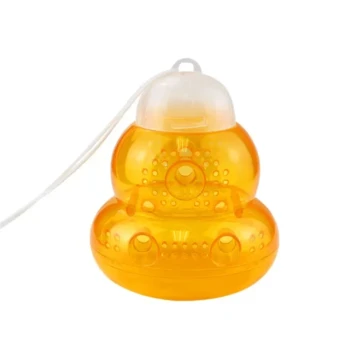
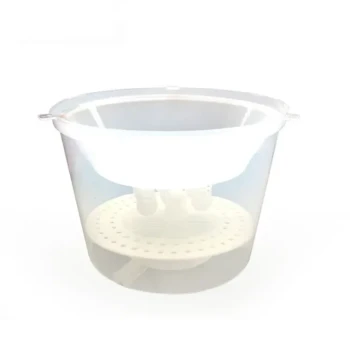
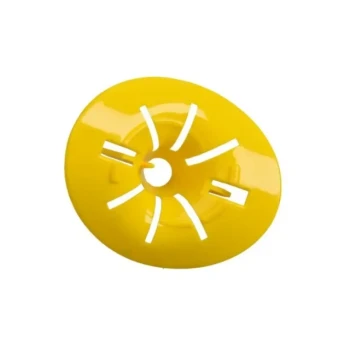
Specifically designed pollen traps serve as non-lethal filtration systems installed at the entrance of a beehive. Their primary mechanical function is to dislodge pollen pellets from the hind legs of returning forager bees, depositing the material into a secure collection tray. This allows researchers to acquire real-time biological samples of the flora the colony is visiting without harming the bees or requiring invasive hive inspections.
By facilitating the non-destructive acquisition of pollen samples, these traps provide the essential physical evidence required for the quantitative analysis of a colony’s dietary structure and foraging preferences.
The Role of Traps in Research Methodology
Non-Invasive Data Collection
The core value of the pollen trap in research is its ability to facilitate non-lethal sampling.
Traditional methods of analyzing gut content or internal hive stores often require sacrificing bees or disrupting the colony's internal structure.
Pollen traps avoid this by intercepting the resource at the threshold of the hive. This preserves the colony population while providing a direct stream of data regarding current foraging activities.
Establishing Dietary Baselines
The material collected in the trap serves as the foundation for quantitative analysis.
By examining the trapped pellets, researchers can identify specific plant species the bees are visiting.
This data allows for the construction of a detailed dietary profile, revealing how foraging preferences shift based on seasonal availability or landscape changes.
Integration with Standardized Hardware
Research consistency often relies on the use of Standard Langstroth beehives.
These hives feature a modular design that accommodates front-mounted pollen traps without structural modification.
This standardization ensures that the variable being tested is the foraging environment, not the hive configuration or the method of capture.
Understanding the Biological Trade-offs
Collection Efficiency vs. Colony Stress
A well-designed pollen trap is not intended to capture 100% of incoming resources; it typically collects approximately 50% of the pollen.
While this ensures the colony does not starve immediately, it represents a significant resource deficit.
Researchers must balance the need for data quantity against the potential stress placed on the developing brood, which relies on pollen for protein.
The Behavioral Compensation Loop
Bees are highly adaptive; when a trap is installed, the colony detects the reduction in incoming pollen.
In response, the colony will redirect its workforce, assigning more foragers to collect pollen to make up for the loss.
This shift often results in fewer bees foraging for nectar, which can lead to a measurable decrease in honey production.
Temporal Limitations
Due to the stress placed on the colony, pollen traps are rarely used indefinitely in a research setting.
Protocols typically dictate a limited collection window, such as one week.
After this period, the trap is removed to allow the hive to recover its stores and return to normal foraging ratios.
Making the Right Choice for Your Goal
To utilize pollen traps effectively in your study without compromising colony viability, consider the following approach:
- If your primary focus is Dietary Analysis: Deploy traps for short, standardized intervals to obtain a representative snapshot of plant diversity without triggering long-term resource deficits.
- If your primary focus is Honey Production: Be aware that the installation of pollen traps will skew your data by forcing the colony to prioritize pollen collection over nectar foraging.
The pollen trap is a precision tool for monitoring external resource acquisition, but it must be managed carefully to maintain the internal balance of the superorganism.
Summary Table:
| Feature | Function & Impact |
|---|---|
| Primary Mechanism | Dislodges pollen pellets from forager legs into a collection tray |
| Collection Efficiency | Typically captures ~50% of incoming pollen to avoid colony starvation |
| Research Benefit | Facilitates non-lethal, real-time sampling of local flora sources |
| Hive Compatibility | Fits Standard Langstroth beehives for modular research setups |
| Colony Impact | May trigger increased pollen foraging and reduced honey production |
Maximize Your Apiary Productivity with HONESTBEE
At HONESTBEE, we understand that for commercial apiaries and distributors, precision is key to scaling operations. Whether you are conducting foraging research or maximizing honey yields, we provide the industrial-grade tools you need. Our comprehensive wholesale catalog includes:
- Professional Pollen Traps & Collection Equipment for precise dietary monitoring.
- Specialized Hardware including hive-making and honey-filling machinery.
- Durable Consumables and beekeeping tools designed for high-volume use.
- Honey-Themed Merchandise to enhance your brand's cultural presence.
Partner with a supplier that values your growth. Contact HONESTBEE today to discuss how our wholesale solutions can streamline your beekeeping business.
References
- Rogel Villanueva-G, David W. Roubik. Why are African honey bees and not European bees invasive? Pollen diet diversity in community experiments. DOI: 10.1051/apido:2004041
This article is also based on technical information from HonestBee Knowledge Base .
Related Products
- Removable Plastic Pollen Trap With Ventilated Tray for Bees Pollen Collector
- 30 cm Plastic Entrance Hole Bee Pollen Trap and Collector
- Plastic Bee Pollen Trap Strips Comb Catcher Collector
- High-Efficiency Diamond Maze Bee Escape for Clearing Supers
- Professional Bucket Style Wasp and Moth Pheromone Trap
People Also Ask
- What are the design principles and advantages of pollen traps in the collection of bee pollen? Boost Your Apiary Yield
- What is the function of professional pollen traps in evaluating honey plants? Quantifying Pollination and Crop Potential
- What functions do pollen traps serve for bee bread production? Optimize Your Raw Material Collection
- What maintenance and pest prevention measures should be taken for pollen traps? Protect Your Hive and Harvest Quality
- How does the use of pollen traps in honeybee hives enhance crop fertilization? Boost Your Yield Through Induced Activity