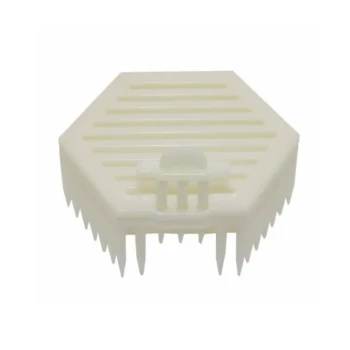
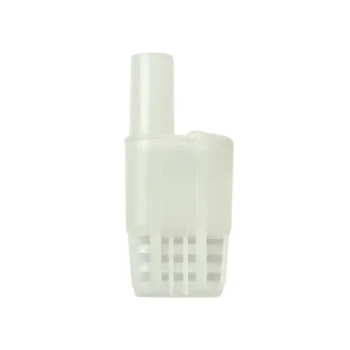
The primary function of a queen cage is to physically restrict the queen's movement, effectively preventing her from laying eggs without removing her from the colony. This manual intervention induces an artificial brood-free period, which halts the reproductive cycle of Varroa mites and simulates a natural swarming state.
By suspending egg-laying, you eventually eliminate the capped brood cells where Varroa mites breed and hide. This forces the entire mite population onto the surface of adult bees, rendering them fully exposed and highly vulnerable to treatment.
The Mechanism of Action
Interrupting the Reproductive Cycle
Varroa mites are obligate parasites that rely on honeybee brood to reproduce. They enter brood cells just before they are capped with wax, where they breed safely protected from the outside environment.
By caging the queen, you stop the supply of new eggs. Once the existing larvae mature and hatch, the hive enters a state where no capped brood exists, physically cutting off the mites' ability to reproduce.
Forcing the Phoretic Stage
When there is no brood to parasitize, mites are forced to migrate onto the bodies of adult worker bees. This is known as the phoretic stage.
In a normal colony, a significant percentage of mites are hidden under wax cappings. During a cage-induced brood break, 100% of the mite population is eventually forced into this exposed phoretic state.
Optimizing Treatment Efficacy
Creating a Clear Target
Many effective soft treatments, such as oxalic acid, are contact-based. They kill mites on adult bees but cannot penetrate the wax cappings of brood cells.
Without a queen cage, these treatments leave the reproducing mites inside the brood unharmed, leading to rapid re-infestation. The queen cage ensures that when you treat, you are targeting the entire mite population, not just a fraction of it.
Simulating Natural Rhythms
Using a queen cage simulates a natural swarming state. In nature, a colony interrupts its brood cycle during swarming, which naturally checks parasite growth.
This method allows beekeepers to mimic this natural biological break in a controlled manner, reducing the colony's parasite load without relying solely on heavy chemical bombardment.
Understanding the Trade-offs
Impact on Colony Growth
The most immediate trade-off is a temporary halt in colony population growth. Because the queen is restricted from laying for a period (typically 21 to 28 days to allow all old brood to hatch), there will be a gap in the emergence of new worker bees.
Critical Timing
This technique requires precision. You must wait long enough for all existing capped brood to emerge before applying treatment. If you treat too early while some brood remains capped, the mites hiding inside those cells will survive, significantly reducing the efficacy of the operation.
Making the Right Choice for Your Goal
To determine if queen caging is the right strategy for your hive management, consider your specific objectives:
- If your primary focus is maximizing treatment kill rate: The queen cage is essential for exposing 100% of the mites to contact-based treatments like oxalic acid.
- If your primary focus is reducing chemical residue: This method allows you to use softer, organic acids effectively, avoiding the need for harsh, persistent synthetic miticides.
- If your primary focus is rapid colony expansion: Be aware that this method essentially pauses growth for a month; ensure your colony is strong enough to handle the population gap.
Mastering the use of the queen cage allows you to move from reactive pest fighting to proactive, biological colony management.
Summary Table:
| Feature | Impact on Varroa Mites | Benefit to Beekeeper |
|---|---|---|
| Reproduction Stop | Halts mite breeding cycles in cells | Breaks the parasite population growth |
| Phoretic Exposure | Forces 100% of mites onto adult bees | Makes mites vulnerable to contact treatments |
| Capping Elimination | Removes protective wax barriers | Ensures treatments like Oxalic Acid reach all mites |
| Natural Simulation | Mimics swarming state | Reduces reliance on harsh synthetic chemicals |
Elevate Your Apiary Management with HONESTBEE
Are you a commercial apiary or distributor looking to optimize hive health and pest management? HONESTBEE is your premier partner for professional beekeeping solutions. We provide a comprehensive range of high-quality queen cages, specialized beekeeping tools, and advanced machinery—from hive-making to honey-filling systems.
Our extensive portfolio of industry consumables and cultural merchandise is designed to help you scale your operations and provide superior value to your customers. Contact us today to discover how our wholesale offerings can enhance your productivity and parasite control strategies!
References
- Lioba Hilsmann, Ricarda Scheiner. Towards a Stable Host–Parasite Relationship Between Honey Bees and <i>Varroa</i> Mites Through Innovative Beekeeping. DOI: 10.1111/1462-2920.70101
This article is also based on technical information from HonestBee Knowledge Base .
Related Products
- Professional Bamboo Queen Isolation Cage
- Premium Wood Framed Metal Wire Queen Bee Excluder
- Hexagonal Direct Comb Introduction Queen Bee Cage
- Professional Queen Cage with Sliding Gate and Feeder Plug
- Durable Galvanized Steel Spring Queen Bee Cage
People Also Ask
- Why are specialized queen bee cages used for the banking of mated queen bees? Maximize Commercial Apiary Storage Efficiency
- What is the mechanism of action for using temporary queen bee cages? Master Successful Queen Introduction
- How does the side ventilation design of a queen bee cage impact the safety of the queen during long-distance transport?
- What should you do if the queen is still in the cage and the worker bees have not accepted her? Protect Your Colony from Queen Rejection
- What technical precaution must be taken regarding the mesh or grill side of a queen bee cage? Ensure Queen Survival