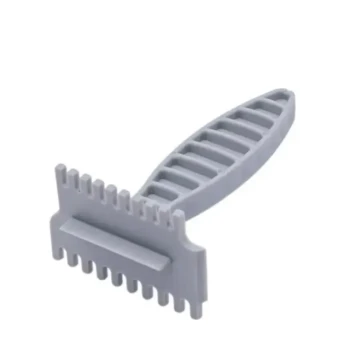
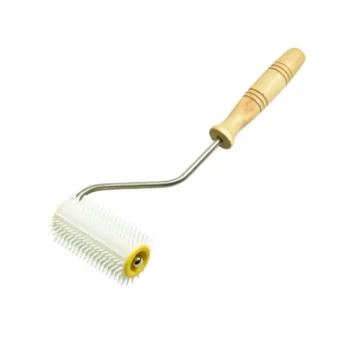
Specialized tools for removing queen cells function as a critical mechanical intervention to suppress a honeybee colony's natural swarming instinct. By manually eliminating these reproductive cells, you physically prevent the colony from splitting, ensuring the population remains concentrated and stable.
The primary purpose of this intervention is to retain the maximum density of worker bees during the nectar flow. By stopping the swarm, you prevent the loss of over half the colony's labor force, thereby securing continuous honey production.
Preserving Colony Strength
Mitigating Workforce Depletion
The immediate function of removing queen cells is to halt the biological trigger for swarming.
When a colony swarms, it acts on a reproductive impulse to divide, taking a massive portion of the existing worker bees with it.
Using specialized tools to excise these cells prevents this exodus, keeping the labor force intact within the original hive.
Maintaining Production Momentum
Honey production relies entirely on the number of available foraging bees.
By maintaining a high density of workers during the primary nectar flow, the colony retains its collective collection momentum.
This intervention ensures that the energy of the hive is directed toward resource gathering rather than reproduction and migration.
Enabling Precise Management
Facilitating Deep Inspections
Beyond simple removal, these tools (along with protective gear) enable the technician to perform deep, intrusive inspections.
They provide the physical leverage and safety required to access the hive interior frequently—often on a strict nine-day cycle.
This access is necessary to locate queen cells that are frequently built on the obscure edges of the combs.
Monitoring Reproductive Behavior
The use of proper equipment allows for the accurate discovery and recording of cell development stages.
By identifying the number and age of newly built queen cells, a beekeeper can evaluate the colony's "swarming tendency."
This transforms the tools from simple removal devices into instruments for gathering data on colony health and behavioral trends.
Understanding the Trade-offs
The Requirement for Consistency
This method is not a "set it and forget it" solution; it requires rigorous adherence to a schedule.
Because queen cells develop quickly, inspections must occur roughly every nine days to remain effective.
Missing a single inspection window or overlooking a single cell can render previous efforts useless, resulting in a swarm.
Intrusive Disruption
While necessary for control, the process involves "deep-intrusive" examinations of the hive.
Frequent physical manipulation of the combs can cause stress to the colony if not performed efficiently.
The tools must be used with precision to minimize damage to the comb structure and reduce agitation among the bees.
Making the Right Choice for Your Goal
To maximize the effectiveness of your swarm control strategy, align your use of these tools with your specific objectives:
- If your primary focus is Maximum Honey Yield: Prioritize the removal of all queen cells to maintain high worker density and prevent any pause in nectar collection.
- If your primary focus is Colony Monitoring: Use the inspection process to record data on cell placement and development stages to predict future swarming behavior.
Success lies in using these tools not just to react to queen cells, but to proactively manage the colony's labor potential.
Summary Table:
| Function | Primary Benefit | Operational Impact |
|---|---|---|
| Workforce Retention | Prevents colony splitting | Maintains maximum worker bee density for nectar flow |
| Swarm Suppression | Halts reproductive impulse | Stops the loss of over 50% of the labor force |
| Precision Inspection | Accesses obscure comb edges | Enables deep data gathering on colony health and trends |
| Production Stability | Continuous honey collection | Ensures energy is focused on resource gathering over migration |
Elevate Your Commercial Apiary with HONESTBEE
Maintaining colony strength is the backbone of a profitable beekeeping operation. At HONESTBEE, we understand the complex needs of commercial apiaries and distributors. We provide a comprehensive wholesale range of professional-grade beekeeping tools, hive-making machinery, and honey-filling equipment designed for precision and durability. From essential consumables to specialized hardware and honey-themed cultural merchandise, we equip you with everything needed to optimize production and manage your hives effectively.
Ready to scale your production? Contact us today to explore our wholesale offerings and discover how our expertise can support your business growth.
References
- Dinku Negash, Bereket Mengeste. ASSESSMENT OF HONEY PRODUCTION SYSTEM, CONSTRAINTS AND OPPORTUNITIES IN SELECTED KEBELES OF HAWASSA CITY ADMINISTRATION, ETHIOPIA. DOI: 10.5281/zenodo.3379981
This article is also based on technical information from HonestBee Knowledge Base .
Related Products
- Stainless Steel Scraper for Metal Queen Bee Excluders
- JZBZ Style Push-In Cell Protector for Professional Queen Rearing Kits
- Lightweight Durable Plastic Queen Excluder Scraper for Beekeeping
- Professional Dual Action Queen Excluder Scraper for Beekeeping
- Premium Nicot Style Cell Bar Holder and Queen Cell Cup Holder System
People Also Ask
- How does a queen-bee excluder function as a defense against Small Hive Beetles? Protect Your Honey with Resource Denial
- What are the characteristics of a stainless steel queen excluder? Maximize Your Apiary's Longevity & Hive Fit
- What types of queen excluders are available for beekeepers? Choose the Right Tool for Your Hive
- Why are standardized hive frames and queen excluders essential for maintaining honey purity and quality? Scale Your Purity
- What is the function of the queen excluder in the brood break induction process? Optimize Your Varroa Mite Control