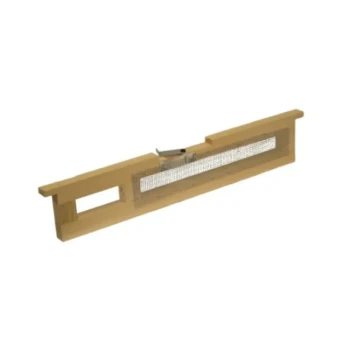
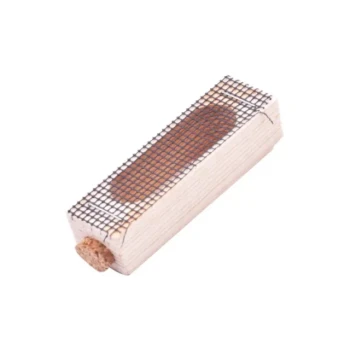
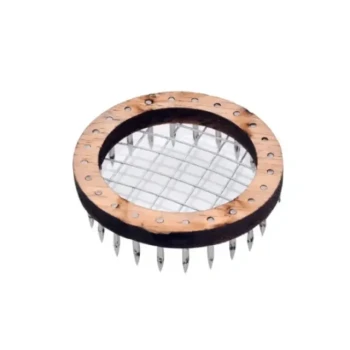
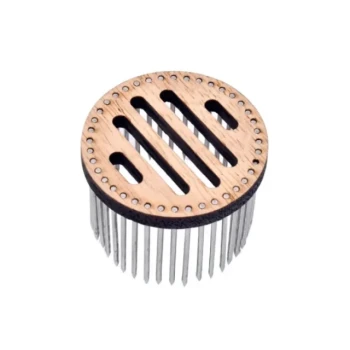
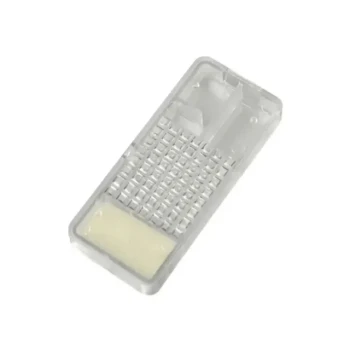
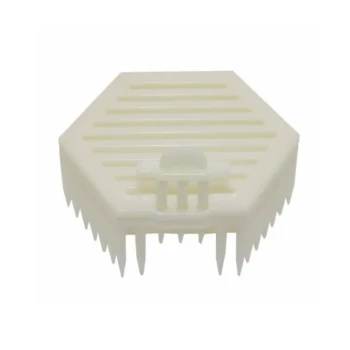
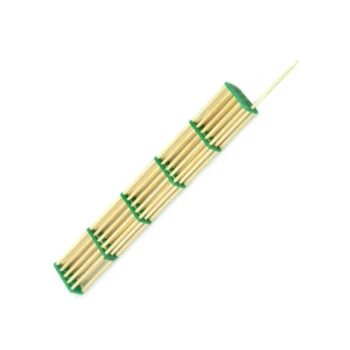
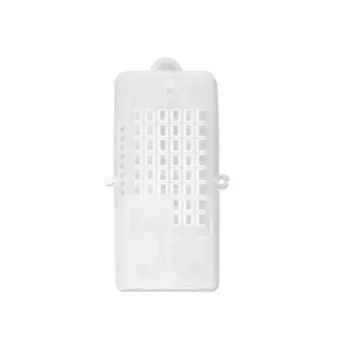
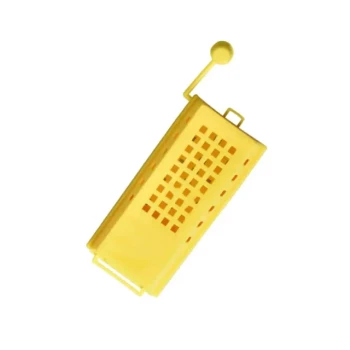
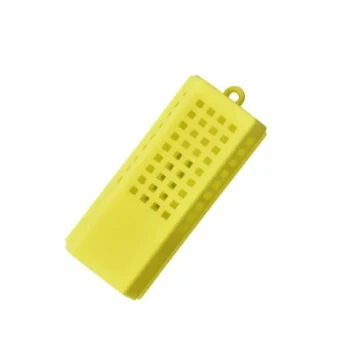
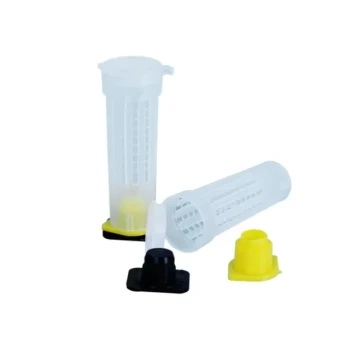
Wooden hatching cages serves as specialized isolation units designed to house hive frames containing larvae that are on the verge of emergence. Their primary function is to create a controlled environment that allows researchers to harvest newly emerged worker bees that are strictly less than 24 hours old and have not yet fed.
Core Takeaway The critical value of a wooden hatching cage is sample standardization. By isolating the emergence process, researchers eliminate the variables of colony interaction and early feeding, ensuring every subject in the study begins with an identical physiological baseline.
The Necessity of Controlled Emergence
Ensuring Absolute Age Consistency
In physiological research, the biological age of a specimen is often the most critical variable.
Wooden hatching cages allow scientists to capture the exact moment of emergence.
This guarantees that every bee collected for the sample is less than 24 hours old, providing a uniform starting point for experimentation.
Isolating Dietary Variables
In a natural hive, a newly emerged bee interacts with the colony and consumes food almost immediately.
Hatching cages physically isolate the frame from the rest of the colony.
This ensures the collected bees remain "unfed," allowing researchers to study baseline physiology without the interference of unknown nutritional intake.
Environmental Regulation
Mimicking Hive Conditions
While these cages isolate the bees, they do not subject them to ambient laboratory conditions.
The cages are maintained within specific temperature and humidity ranges.
This simulates the stability of the natural hive environment, ensuring the stress of emergence does not skew physiological data.
Understanding the Trade-offs
The Window of Viability
Because the primary goal is to collect unfed bees, the time window for collection is extremely narrow.
Researchers must harvest the bees promptly (under 24 hours) to prevent starvation or dehydration stress.
Leaving the bees in the hatching cage beyond this window can introduce stress markers that compromise the validity of the physiological data.
Making the Right Choice for Your Goal
To ensure the integrity of your physiological data, consider the following applications:
- If your primary focus is baseline physiological profiling: Use hatching cages to obtain "clean," unfed samples that reflect the insect's state immediately upon metamorphosis.
- If your primary focus is controlled dietary studies: Use the isolation provided by these cages to introduce specific experimental diets to a naive population, ensuring no prior consumption of hive stores.
Summary: The wooden hatching cage is the industry standard for converting the chaotic emergence process of a hive into a precise, collectible event for rigorous scientific study.
Summary Table:
| Feature | Function in Research | Key Benefit |
|---|---|---|
| Isolation Unit | Houses frames with emerging larvae away from the colony. | Prevents uncontrolled social interaction. |
| Age Control | Facilitates collection of bees < 24 hours old. | Guarantees absolute specimen age consistency. |
| Dietary Control | Keeps newly emerged bees in an unfed state. | Eliminates variables from unknown nutritional intake. |
| Climate Simulation | Maintains hive-like temperature and humidity. | Reduces emergence stress for accurate data. |
Elevate Your Beekeeping Operations with HONESTBEE
Are you looking to scale your commercial apiary or expand your distribution network? HONESTBEE specializes in providing high-quality, professional-grade beekeeping tools, specialized machinery, and essential consumables designed for the modern industry. From precision research tools like hatching cages to heavy-duty hive-making and honey-filling machines, we offer the comprehensive wholesale solutions you need to succeed.
Our value to you:
- Wholesale Excellence: Bulk supply of everything from hardware to honey-themed merchandise.
- Industry Expertise: Solutions tailored for commercial apiaries and global distributors.
- Precision Engineering: Reliable machinery to streamline your production and research.
Ready to enhance your efficiency? Contact us today to explore our full portfolio and request a quote!
References
- Hassiba Khedidji, Arezki Mohammedi. Effects of Pollen Deprivation in Groups of Tellian (Apis mellifera intermissa) and Saharan (Apis mellifera sahariensis) Honey Bees under Controlled Conditions. DOI: 10.3390/insects13080727
This article is also based on technical information from HonestBee Knowledge Base .
Related Products
- Professional Wooden Requeening Frame for Beekeeping
- HONESTBEE Wired and Assembled Wooden Bee Frames Foundation for a Thriving Hive
- Assembled Wooden Bee Frames with Beeswax Foundation Ready to Use by HONESTBEE
- Classic Wooden and Mesh California Queen Cage
- Wood and Mesh Push-In Queen Cage
People Also Ask
- What are the primary functions of beekeeping frames? Boost Efficiency with Professional Hive Management
- What are the best practices for assembling beekeeping frames? Pro Tips for Maximum Durability & Efficiency
- How are deep, medium, and shallow frames typically used in beekeeping? Optimize Your Hive Setup
- What are the characteristics of wooden frames in beekeeping? Unlock Natural Flexibility & Cost-Effectiveness
- What are the common specifications for wooden beekeeping frames used in colony expansion? Your Complete Guide