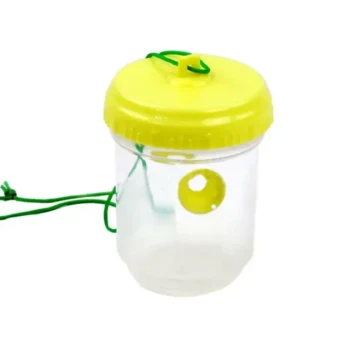
To properly install and use hive beetle traps, you must combine strategic placement with routine hive maintenance. First, select an appropriate in-hive trap and fill the compartment halfway with a trapping agent like vegetable or mineral oil. Place the trap in the top box of the hive, specifically between the outermost frames, ensuring the top bars are scraped clean so the trap sits flush and leaves no gaps for beetles to hide.
Core Takeaway: Beetle traps rely on bee behavior to function; bees naturally "corral" beetles into the corners of the hive. Therefore, traps are most effective when placed in the top corners of the hive body, rather than near the entrance or in the center of the brood nest.
Preparation and Baiting
Choosing the Right Agent
The compartment of the trap is designed to hold a substance that kills the beetles. Vegetable oil or mineral oil are standard choices; fill the reservoir halfway to drown beetles without risking hive contamination.
Preparing the Frames
Before installation, use your hive tool to scrape burr comb and propolis off the top bars of the frames. This ensures the trap sits completely flush against the wood.
Eliminating Hiding Spots
If the trap does not sit flush, beetles will hide under the trap's rim rather than entering it. By cleaning the surface, you force the beetles into the trap openings.
Strategic Placement
The Top Box Advantage
For maximum effectiveness, place the traps in the top box of the hive rather than the bottom board. Placing traps in every box is generally unnecessary and less effective than targeting the upper area.
Utilizing the "Chase" Dynamic
Bees naturally chase small hive beetles away from the cluster and into corners. Position the trap between the two outermost frames, pushed as close to the side wall as possible, to intercept the beetles where they are being herded.
Securing the Trap
The trap is designed to hang between two frames. Ensure it is stable and that the bees have clear access to chase the beetles into the trap's entry slots.
Understanding the Trade-offs
Attractants vs. Traps
While pollen can be used as a lure, it carries the significant risk of attracting more beetles to your apiary. Oil traps are generally preferred as passive measures that do not draw pests in from the outside.
Safety Considerations
Never use boric acid inside the trap if honey supers are present. While boric acid kills pests, it poses a severe contamination risk to your honey harvest and is not recommended for in-hive use.
Maintenance Requirements
Oil traps are highly effective but require diligence. You must check them regularly to remove dead beetles and replenish the oil, as a trap filled with rotting beetles acts as a repellent to other beetles.
Making the Right Choice for Your Goal
To ensure your pest management strategy aligns with your specific situation, consider these guidelines:
- If your primary focus is preventative maintenance: Stick to plain mineral or vegetable oil in the top corners to catch stragglers without luring new pests.
- If your primary focus is managing a weak colony: Combine trapping with reducing the hive space, as traps alone cannot protect a colony that is too weak to police its own combs.
Effective beetle management is not just about the trap; it is about placing it where the bees can do the work for you.
Summary Table:
| Feature | Best Practice Recommendation |
|---|---|
| Trapping Agent | Vegetable or mineral oil (fill reservoir halfway) |
| Primary Placement | Top box, between the two outermost frames |
| Surface Prep | Scrape frames clean of burr comb/propolis for a flush fit |
| Mechanism | Leverage bee behavior to "corral" beetles into trap slots |
| Maintenance | Regular inspection to remove dead beetles and refill oil |
| Prohibited | Avoid boric acid in traps during honey flow |
Secure Your Apiary Productivity with HONESTBEE
Don't let pests compromise your honey harvest. HONESTBEE provides commercial apiaries and distributors with the professional-grade tools needed to thrive. From high-capacity honey-filling machines to durable hive-making hardware, our comprehensive wholesale catalog covers all your beekeeping essentials.
Whether you are scaling a commercial operation or stocking a distribution network, we offer the expertise and equipment to ensure your success. Contact us today to discuss our bulk pricing on specialized tools and industry consumables—let's build a healthier, more profitable apiary together!
Related Products
- Removable Washable Hive Beetle Trap Attractants for Small Hive Beetles
- Black Plastic Beetle Barn Hive Beetle Trap for Beehives
- Reusable Clear Small Hive Beetle Traps for Beehives Beetle Trapping Tools
- Reusable Aluminium Beetle Trap for Small Hive Beetles Silver Bullet
- Plastic Beetle Blaster Trap Beekeeping Tools and Supplies
People Also Ask
- How should powdered substances be used in beetle traps for hive beetle control? Expert Guide for Maximum Colony Protection
- What are the three main types of hive beetle traps? Expert Solutions for Protecting Your Bee Colonies
- What are the types of hive beetle traps available? Master Your Beetle Control Strategy
- What are the main types of hive beetle traps available? A Beekeeper's Guide to Effective Control
- What are the available chemical-free options for trapping hive beetles? Safe and Effective Pest Management Solutions