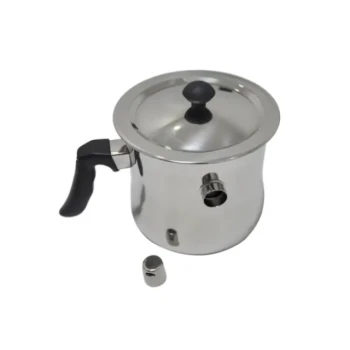
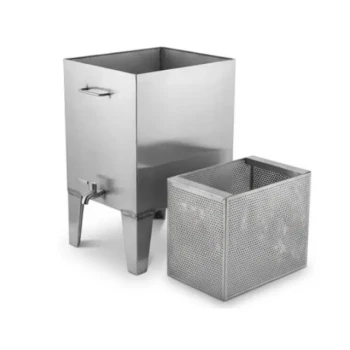
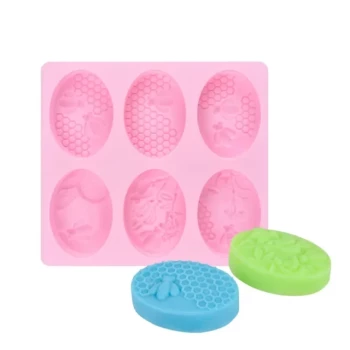
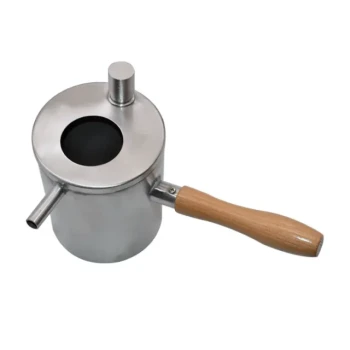
Producing high-quality beeswax requires a distinct two-stage process designed to progressively remove impurities. The first stage is the initial extraction, where the wax is melted and separated from the honeycombs to form a rough solid block. The second stage involves reprocessing and refiltering this block to eliminate the remaining dirt and debris, which typically settles on the underside of the wax after the first extraction.
Achieving pure beeswax is rarely a single-step event; it requires a rough pass to separate the comb and a refined pass to polish the result. The process moves from a crude extraction of raw material to a focused filtration that yields a usable, clean block.
Stage One: The Initial Extraction
Meltdown and Separation
The primary goal of the first stage is volume reduction and material separation. You must melt the raw comb to separate the actual wax from the physical structure of the hive.
Forming the Rough Block
Once separated, this material creates a solid block of wax. However, this block is not yet ready for fine use.
The Sediment Layer
It is critical to note that the result of this first stage is imperfect. The underside of this initial block will typically be dirty, containing debris that settled during the cooling process.
Stage Two: Purification and Finishing
Reprocessing the Block
To achieve a clean product, you must remelt the rough block created in stage one. This second heating is focused entirely on purification rather than extraction.
Refiltering
During this liquid state, the wax is filtered again. This step removes the fine particulates and "sludge" that adhered to the bottom of the block during the first stage.
Final Molding
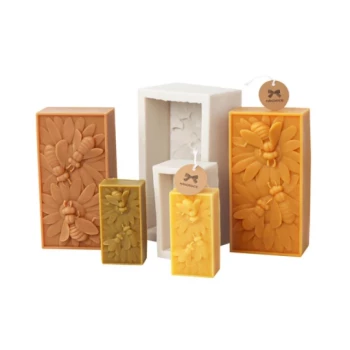
Once the liquid wax achieves the desired purity, it is slowly poured into molds. Suitable containers range from silicone cake or muffin pans to repurposed items like rinsed cardboard milk containers.
The Cooling Period
Patience is required for the final structure to set correctly. The wax should be left to cool overnight until it has hardened completely into its solid form.
Common Pitfalls to Avoid
Underestimating the Second Stage
A common mistake is assuming the block from the first stage is "clean enough." Because the underside captures significant debris, skipping the second refiltering stage results in a gritty, low-quality product.
Improper Mold Selection
Selecting the wrong mold size can complicate storage or future use. You should choose your mold based on how you intend to use the wax later; for example, smaller molds are better for cosmetic measuring, while large blocks are better for bulk storage.
Ensuring a Quality Result
To ensure your beeswax is processed correctly for your specific needs, follow these guidelines:
- If your primary focus is bulk storage: Complete the initial extraction, but be prepared to scrape or cut off the dirty layer from the bottom of the block.
- If your primary focus is crafting or cosmetics: You must complete the second refiltering stage and allow the wax to cool undisturbed overnight to ensure absolute purity.
True quality in beeswax production comes from understanding that extraction and purification are separate, equally important disciplines.
Summary Table:
| Stage | Primary Objective | Key Action | Resulting Form |
|---|---|---|---|
| Stage 1: Extraction | Volume reduction & separation | Melting raw comb & removing hive structure | Rough, solid block with sediment |
| Stage 2: Purification | Removing fine impurities | Remelting, refiltering, & slow molding | Pure, clean beeswax block |
| Cooling | Structural integrity | Overnight undisturbed hardening | Finished, usable wax product |
Elevate Your Apiary Production with HONESTBEE
At HONESTBEE, we understand that high-quality beeswax is the foundation of premium hive products. Whether you are a commercial apiary looking to scale production or a distributor seeking the best tools for your clients, we provide the comprehensive solutions you need.
Our professional-grade equipment—from industrial wax melters and specialized machinery to hive-making and honey-filling systems—is designed to streamline your two-stage purification process. Beyond hardware, we offer a full spectrum of beekeeping consumables and honey-themed cultural merchandise to help your business stand out in the global market.
Ready to optimize your beeswax output? Contact us today to discover how HONESTBEE’s wholesale machinery and equipment can drive efficiency and quality for your business!
Related Products
- Beeswax Machine Press Embosser Wax Foundation Mold Printer Bee Hive Equipment Making Sheet
- Beeswax Foundation Sheets Beehive Foundation for Wholesale
- Colorful Silicone Beeswax Foundation Mold Mould for Beekeeping
- Economy Manual Beeswax Embossing Mill Wax Foundation Machine Roller
- Electric Beeswax Flat Sheet Machine with Operating Tray for Wax Processing
People Also Ask
- What equipment is needed to make beeswax foundation? A Guide to DIY Wax Sheet Production
- What miscellaneous equipment is needed for making foundation? A Guide to the Essential Tools
- What miscellaneous equipment is useful when making beeswax foundation? Essential Support Tools for Beekeepers
- What specific equipment is required for making beeswax foundation? Essential Tools for High-Quality Production
- What is the recommended temperature for melting beeswax to make foundation sheets? Master the 70°C-80°C Ideal Range