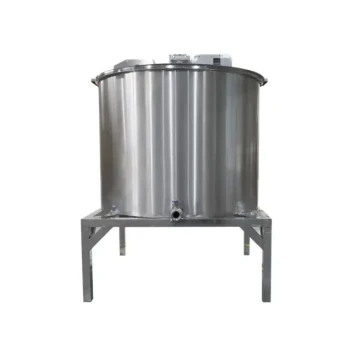
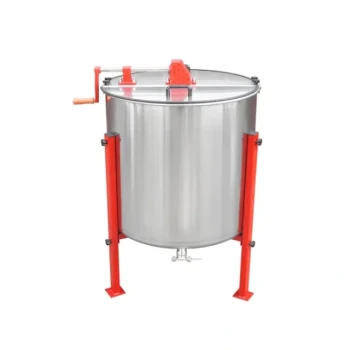
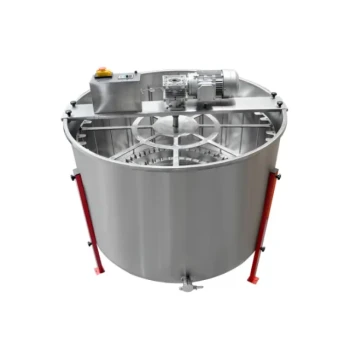
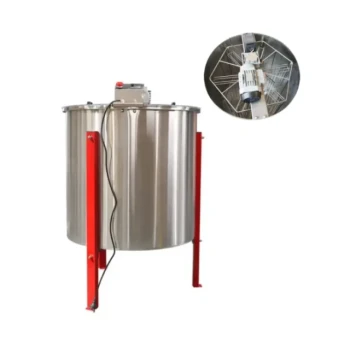
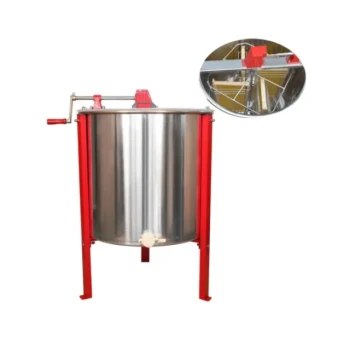
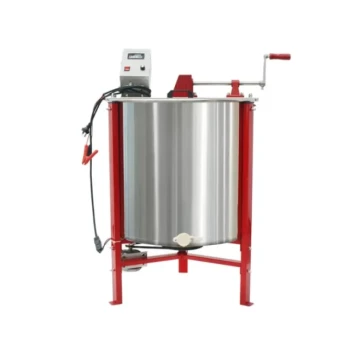
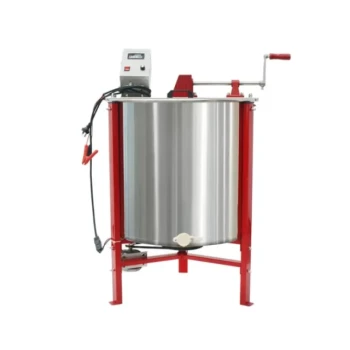
Using an industrial-grade honey extractor generally results in lower pollen diversity compared to manual extraction methods. While these machines significantly boost production efficiency by using centrifugal force to spin honey out of the comb, research indicates they capture a less complete spectrum of pollen than manual squeezing.
While mechanized processing maximizes efficiency and maintains hygiene, manual extraction remains the superior method for preserving the full biological diversity of pollen required for high-quality functional honey.
The Mechanics of Extraction and Pollen Retention
The Centrifugal Principle
Industrial extractors operate by spinning honeycombs at high speeds, using centrifugal force to separate the liquid honey from the wax cells.
This mechanical process is highly efficient and is designed to extract honey without damaging the physical structure of the honeycomb, allowing the comb to be reused.
Impact on Pollen Richness
Despite the efficiency, the primary reference notes that this method can influence the overall pollen richness of the final product.
Manual extraction methods, such as squeezing, tend to preserve a higher diversity of pollen. This is likely because the physical crushing involved in manual processing releases pollen that might otherwise remain trapped in the comb during a spin cycle.
Implications for "Functional" Honey
For producers aiming to create "functional honey"—where specific botanical benefits are marketed—pollen content is a critical data point.
The reduction in pollen diversity caused by centrifugal extraction means that the final product may contain less detailed botanical information compared to manually squeezed honey.
Understanding the Trade-offs
Efficiency vs. Biological Complexity
The choice of equipment represents a direct trade-off between production volume and biological complexity.
Industrial equipment provides precise control, hygiene, and speed, making it essential for commercial scalability and meeting international market standards. However, it sacrifices the "maximum density" of pollen that manual methods achieve.
Preservation of Other Attributes
It is important to note that while pollen count may be lower, centrifugal extraction is superior to methods involving heat.
Unlike high-speed mixing or heating—which can degrade enzymes like Invertase—centrifugal extraction is a physical process that avoids thermal damage, preserving the honey's nutritional components and natural flavors better than thermal processing.
Making the Right Choice for Your Goal
To select the right extraction method, you must align your equipment with your product's value proposition.
- If your primary focus is High-Value Functional Honey: Prioritize manual extraction or squeezing methods to ensure maximum pollen diversity and botanical richness, even at the cost of lower production speed.
- If your primary focus is Commercial Scalability: Utilize industrial centrifugal extractors to maximize efficiency and hygiene while maintaining a high standard of flavor and enzymatic activity, accepting a standard rather than maximum pollen profile.
Balance the need for operational efficiency with the specific biological qualities your customers value most.
Summary Table:
| Extraction Method | Primary Force | Pollen Diversity | Efficiency & Speed | Hive Conservation |
|---|---|---|---|---|
| Industrial Centrifugal | Centrifugal Force | Standard/Lower | High (Scalable) | Excellent (Comb Reusable) |
| Manual Squeezing | Physical Pressure | High (Full Spectrum) | Low (Manual Labor) | Poor (Comb Destroyed) |
| Thermal Processing | Heat-Assisted | Variable | Moderate | Moderate |
Scale Your Honey Production Without Compromising Quality
At HONESTBEE, we understand the delicate balance between industrial efficiency and the biological integrity of your honey. Whether you are a commercial apiary aiming for international standards or a distributor looking to expand your portfolio, we provide the full spectrum of solutions you need.
Why partner with HONESTBEE?
- Comprehensive Equipment: From high-capacity industrial centrifugal extractors to precision honey-filling machines.
- Full-Scale Support: We supply everything from hive-making machinery to essential beekeeping consumables.
- Expertise in Value: Our tools are designed to maximize your volume while preserving the enzymatic activity and natural flavors your customers demand.
Ready to upgrade your honey processing capabilities? Contact us today to discover how our wholesale beekeeping machinery and tools can drive your business growth.
References
- Pooja Dalal, Krishna. An overview of mellissopalynology and its scope in beekeeping. DOI: 10.33545/26174693.2025.v9.i4sd.4139
This article is also based on technical information from HonestBee Knowledge Base .
Related Products
- HONESTBEE 72 Frame Industrial Electric Honey Extractor for Beekeeping
- 32 Frame Commercial Electric Honey Extractor for Beekeeping and Honey Production
- Commercial 48-Frame Stainless Steel Honey Extractor
- Commercial Electric 12 Frame Honey Extractor Spinner Motorized Honey Extractor
- HONESTBEE 3-Frame Manual Acrylic Honey Extractor
People Also Ask
- What is the importance of balancing honeycomb frames within a honey extractor? Ensure Stability and Protect Machinery
- How is honey separated from the frames after they are uncapped? Efficient Extraction Methods for High Yields
- What are the main benefits of using a honey extractor? Maximize Yields and Protect Your Honeycomb
- What are the recommended methods for removing honey from the honeycomb? Top Extraction Techniques for Maximum Efficiency
- How do manual honey extractors compare to electric honey extractors? Choosing the Right Tool for Your Apiary Growth