High-quality sealed sampling tubes are the first line of defense in maintaining the scientific validity of honey and bee bread samples. Their primary function is to strictly isolate the specimen from the external environment, preventing moisture absorption and cross-contamination that would otherwise compromise the sample's chemical and biological state. By preventing the growth of microorganisms in nutrient-rich bee bread, these tubes ensure that the sample analyzed in the lab matches the sample collected in the field.
Sample integrity is the prerequisite for data accuracy; even the most advanced laboratory detection methods cannot correct for chemical changes or contamination introduced by poor containment during collection.
Preserving Biochemical and Physical Integrity
Preventing Moisture Absorption
Honey is naturally hygroscopic, meaning it readily absorbs moisture from the air. High-quality seals create an impermeable barrier against ambient humidity.
If a seal fails, the increased water content can trigger fermentation or alter concentration levels. This directly distorts critical quality metrics, such as Hydroxymethylfurfural (HMF) levels and diastase activity.
Inhibiting Microbial Spoilage in Bee Bread
Bee bread differs from honey as it contains higher moisture and protein levels, making it biologically volatile. Superior sealing is mandatory to halt the proliferation of environmental microorganisms.
Without a hermetic seal, aerobic bacteria and molds can rapidly degrade the sample. This preservation is vital for retaining the original biochemical characteristics required for nutritional profiling.
Maintaining Pollen Structure
For palynological (pollen) analysis, the physical structure of the pollen grains must remain intact.
Rigid, high-quality tubes protect the sample from physical compression and environmental degradation. This ensures that the pollen integrity is preserved for accurate botanical origin identification.
Ensuring Analytical Accuracy
Eliminating Cross-Contamination
Field collection often involves moving rapidly between hives. Sealed, single-use tubes (like 15 ml centrifuge tubes) act as individual quarantine units for each sample.
This prevents the transfer of pathogens or chemical residues between colonies. It ensures that trace residue analysis reflects the specific exposure of one hive, rather than a blend of the entire apiary.
Facilitating Laboratory Pretreatment
High-quality tubes are not just storage vessels; they often serve as reaction vessels during the pretreatment phase.
Centrifuge tubes are designed to withstand high-speed spinning and vigorous shaking. This allows for uniform mixing and homogenization of high-viscosity honey with diluents without transferring the sample to a new container, thereby reducing the risk of secondary contamination.
Understanding the Trade-offs
Material Inertness vs. Cost
While high-quality sterile tubes are more expensive than bulk generic containers, the cost of a compromised sample is significantly higher.
Cheaper plastics may release leaching agents that interfere with sensitive chemical chromatography. You must ensure the tubes are certified chemically inert (often medical or lab-grade polypropylene) to avoid introducing exogenous impurities.
Seal Reliability During Transport
Not all "sealed" tubes perform equally under physical stress.
During transport from the apiary to the lab, samples may undergo temperature fluctuations and pressure changes. Lower-quality tubes may deform or pop open, whereas high-quality tubes are engineered to maintain seal integrity under stress.
Making the Right Choice for Your Goal
To select the appropriate sampling equipment, consider your specific analytical end-point:
- If your primary focus is biochemical stability (HMF/Enzymes): Prioritize tubes with hermetic, moisture-proof seals to prevent hydration changes that accelerate chemical degradation.
- If your primary focus is pathogen or pesticide detection: Prioritize verified sterile consumables to strictly eliminate the risk of false positives caused by cross-contamination.
- If your primary focus is efficiency: Select tubes rated for centrifugation to streamline the workflow from collection directly to laboratory homogenization.
Invest in containment that matches the precision of your analysis, as the container is as critical as the sample itself.
Summary Table:
| Feature | Benefit for Honey/Bee Bread Samples | Impact on Research |
|---|---|---|
| Hermetic Sealing | Prevents moisture absorption and fermentation | Maintains HMF levels and enzyme activity |
| Material Inertness | Eliminates chemical leaching from plastic | Ensures pure chromatography results |
| Mechanical Strength | Withstands high-speed centrifugation | Streamlines lab pretreatment and mixing |
| Sterile Barrier | Prevents cross-contamination between hives | Accurate pathogen and pesticide profiling |
| Rigid Structure | Protects physical pollen grains | Precise botanical origin identification |
Elevate Your Apiary Management with HONESTBEE
At HONESTBEE, we understand that precision in the field leads to success in the market. We provide commercial apiaries and distributors with a comprehensive range of professional-grade beekeeping tools, from high-performance 15 ml centrifuge tubes to advanced honey-filling machines and hive-making equipment.
Whether you are scaling your wholesale operations or seeking essential consumables that guarantee sample purity, our expert team is here to support your growth with reliable, industrial-strength solutions.
Ready to upgrade your equipment? Contact us today to explore our full catalog and see how our tailored wholesale offerings can streamline your business.
References
- Dwika Bramasta, Hery Purnobasuki. Melissopalynology and Vegetation Analysis Surrounding Sunggau of Giant Honey Bee Apis dorsata in Belitung Regency. DOI: 10.4308/hjb.30.6.1167-1174
This article is also based on technical information from HonestBee Knowledge Base .
Related Products
- Heavy-Duty Ergonomic Grip Galvanized Pollen Shovel
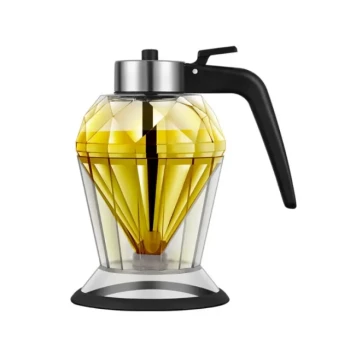
- Premium Diamond-Faceted Glass Honey Dispenser
- 5 Gallon Pail Opener Bucket Opener Tool for Honey Bucket
- Professional Plastic Honey Dipper for Easy Honey Drizzling
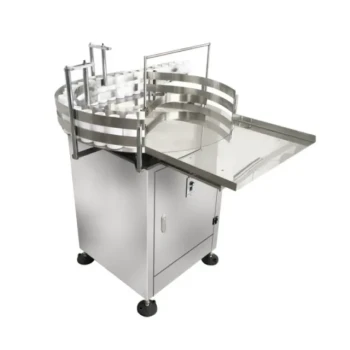
- Fully Automatic High Speed Centrifugal Bottle Unscrambler
People Also Ask
- For what reasons do beekeepers collect bee pollen? Boost Hive Health and Unlock New Revenue Streams
- Why should commercial apiaries focus on the collection of diversified bee products? Maximize Your Hive’s Profit Potential
- How do bee pollen collection tools affect the quality of bee pollen used in functional dairy ice cream production?
- How does a specialized pollen collector facilitate the harvesting of diverse bee products? Automate High-Value Yields
- What is the impact of pollen collectors and associated equipment on the cost structure of pollen production? Maximize ROI