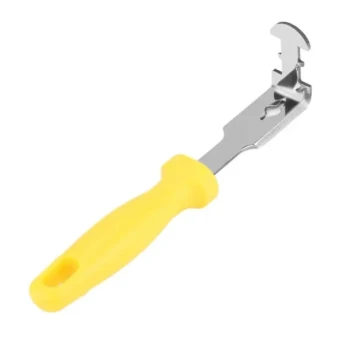
The accuracy of your Varroa assessment relies heavily on the physical integrity of your brood samples. Specialized uncapping tools and tweezers are necessary to precisely remove wax cappings and extract bee pupae without inflicting damage on the host or the parasite. This preservation is critical for identifying hidden infections and accurately evaluating the reproductive potential of the mites inside sealed cells.
To effectively manage colony health, you must differentiate between simple mite presence and active reproduction. Precision tools ensure the extraction process does not destroy the delicate evidence needed to measure infestation levels and mite fertility.
The Mechanics of Accurate Diagnosis
Preserving Biological Integrity
The primary function of specialized uncapping tools is to remove worker or drone cell wax cappings with exact control. Unlike improvised tools, these instruments prevent physical trauma to the underlying pupa.
Once the cell is open, high-precision tweezers allow for the delicate extraction of the larvae or pupae. This "non-destructive" removal is vital because crushing the pupa often destroys the Varroa mites attached to it, making an accurate count impossible.
Revealing Reproductive Potential
Identifying a mite is only half the battle; understanding its lifecycle stage is the other. Specialized tools preserve the internal parasites, allowing you to observe not just mature female mites, but their reproductive offspring.
This level of detail provides a direct assessment of the infestation level during the breeding phase. It transforms a simple count into a deeper analysis of the mite's reproductive success within the colony.
Minimizing Structural Impact
Using precision tools, such as sharp needles or specialized probes, constitutes a micro-invasive method. This approach ensures that the census of the mites is completed without compromising the overall structural integrity of the comb sample.
By maintaining the structure of the comb, you ensure that the inspection remains localized and does not unnecessarily degrade the hive's internal architecture.
Understanding the Trade-offs
The Cost of Precision
While specialized tools provide superior data, the process is manual and time-consuming compared to bulk wash methods. It requires steady technical skill to avoid damaging the soft tissues of the pupae.
The Consequence of Improper Handling
Attempting this process without the correct tools creates a significant risk of "improper handling." Rough extraction serves as a double negative: it yields inaccurate data by obscuring mite counts and needlessly destroys brood without providing actionable insight.
Making the Right Choice for Your Goal
To apply this to your apiary management strategy, consider your immediate objectives:
- If your primary focus is determining immediate treatment thresholds: Prioritize these tools to identify "hidden" infections in capped brood that phoretic (adult bee) counts might miss.
- If your primary focus is breeding or research: Use high-precision tweezers to assess mite fertility and offspring survival rates, which are key indicators of Varroa Sensitive Hygiene (VSH) traits.
Precision in inspection is the first line of defense in protecting the stability of commercial apiary production.
Summary Table:
| Feature | Specialized Tools | Improvised Methods |
|---|---|---|
| Extraction Precision | High - Protects pupae and mites | Low - High risk of crushing samples |
| Data Accuracy | Excellent - Reveals mite life cycles | Poor - Obscures reproductive evidence |
| Comb Impact | Minimal - Localized and micro-invasive | Significant - Potential comb damage |
| Best Use Case | Breeding, research, and VSH testing | Not recommended for diagnostic work |
Maximize Your Colony Health with HONESTBEE Professional Equipment
Precise Varroa monitoring is the backbone of a successful commercial apiary. At HONESTBEE, we specialize in supporting commercial beekeepers and distributors by providing the high-quality tools and machinery necessary for large-scale hive management. From specialized hardware and honey-filling machines to comprehensive beekeeping tools and essential consumables, our portfolio is designed to enhance your operational efficiency and diagnostic accuracy.
Partner with HONESTBEE to secure your honey production—contact us today to discuss our wholesale solutions and how we can support your business!
References
- Desalegn Begna. Occurrences and Distributions of Honeybee (Apis mellifera Jemenetica)Varroa Mite (Varroa destructor) in Tigray Region, Ethiopia. DOI: 10.4172/2332-2608.1000126
This article is also based on technical information from HonestBee Knowledge Base .
Related Products
- Varroa Easy Check Mite Tester Kit Counter Alcohol Wash Jar
- Langstroth Screen Bottom Board for Beekeeping Wholesale
- Compact Circular Bee Mite Treatment Dispenser
- Adjustable Formic and Acetic Acid Dispenser for Bee Mite Treatment
- Classic Wooden Bee Brush with Double-Row Boar Bristles
People Also Ask
- What tools are utilized within an Integrated Pest Management (IPM) strategy for honeybees? Optimize Colony Health
- What is the significance of standardized detection tools in Varroa control? Data-Driven Beekeeping Strategies
- Why is surfactant added to 70% alcohol for Varroa detection? Ensure Accurate Mite Counts for Professional Beekeeping
- What is the purpose of using white filter cloth for Varroa mite screening? Enhance Detection and Accuracy
- How does a specialized Varroa mite tester with sugar powder facilitate mite diagnosis? Precise B2B Hive Health Solutions