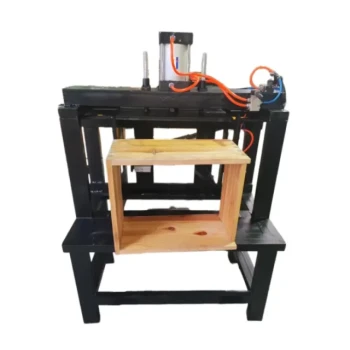
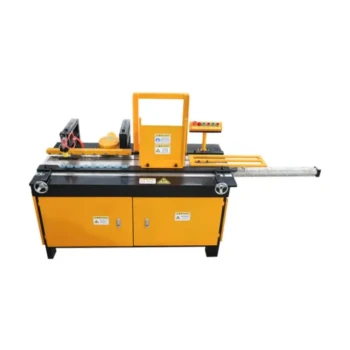
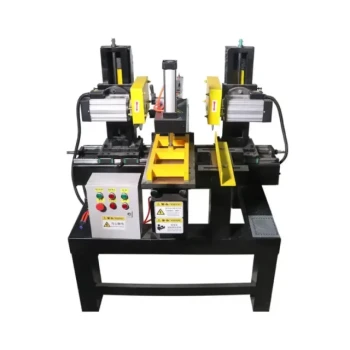
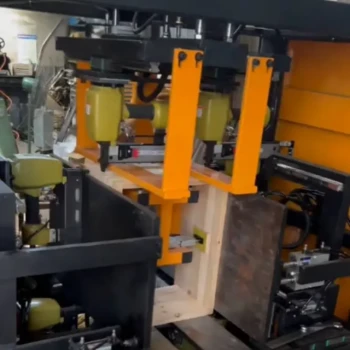
Precision manufacturing is the cornerstone of modern apiculture. The importance of using standardized hive-making equipment lies in its ability to produce hives with absolute structural consistency and airtightness, which are critical for protecting colonies from external threats.
Core Takeaway Standardized hive-making equipment does more than just produce uniform boxes; it creates a defensive infrastructure for your apiary. By ensuring precise dimensions and airtight seals, this equipment allows for rapid emergency isolation of colonies during pesticide applications while maintaining the ventilation necessary for bee survival.
The Critical Role of Structural Integrity
The primary value of utilizing standardized equipment for manufacturing hives is the assurance of structural consistency. In commercial operations, a variance of even a few millimeters can compromise the safety of the colony.
Emergency Response Capabilities
Agricultural environments often expose apiaries to chemical risks, specifically pesticide applications. Standardized equipment ensures hives are airtight.
When a chemical threat is detected, beekeepers must rapidly implement emergency protection measures, such as closing entrances or relocating hives entirely. If the hive components do not fit together with industrial-grade precision, gaps will allow toxic agents to enter, negating these protective measures.
Environmental Control During Isolation
Closing a hive to protect it creates a secondary risk: overheating and suffocation.
Hives produced by standardized equipment are designed to balance isolation with survival. They ensure that even when the hive is sealed against external threats, adequate ventilation and internal temperature control are maintained. This minimizes secondary losses caused by stress or overheating during the confinement period.
Operational Efficiency and Scalability
Beyond immediate colony survival, standardized equipment serves as the hardware foundation for scaling a commercial operation. It transforms beekeeping from a craft into a measurable industrial process.
The Power of Interchangeability
Standardized machinery produces components—such as frames and hive bodies—that are universally interchangeable.
This allows beekeepers to move frames between different colonies without friction. This interchangeability simplifies routine inspections, allows for resource balancing (moving brood or honey to weaker hives), and streamlines the honey harvesting process.
Enabling Mechanization
Large-scale production requires mechanization to reduce labor costs. Standardized design is a prerequisite for automation.
Modern mechanical systems for honey harvesting and disease monitoring rely on uniform inputs. If hive dimensions vary due to non-standard manufacturing, automated lines will jam or damage the equipment. Precision hardware is therefore essential for implementing Good Beekeeping Practices (GBPs) at scale.
Standardization as a Management Metric
Using standardized equipment allows the physical hive to become a reliable unit of data, essential for making informed management decisions.
Quantifying Colony Health
In a standardized system, the "number of frames covered by adult bees" becomes a universal metric.
Because every frame is identical in size, beekeepers can accurately estimate total population, labor scale, and defensive capabilities. This allows for precise comparisons between colonies and helps evaluate readiness for overwintering or peak nectar flows.
Ecological Modeling
Standardization facilitates the conversion of dispersed physical apiaries into quantifiable data. By using uniform specifications, producers can record production capacity and colony size across different locations, providing the data needed for ecological modeling and maintaining stable production outputs.
Understanding the Trade-offs
While standardization is essential for commercial viability, it requires a rigid adherence to specifications that can present challenges.
The Cost of Precision
Acquiring the specialized machinery required to produce industrial-grade, standardized components represents a significant upfront capital investment. For smaller operations, this cost may outweigh the efficiency gains.
Compatibility Lock-in
Once a specific standard of equipment is adopted, the operation is effectively "locked in" to those dimensions. Switching standards later allows for no backward compatibility, potentially rendering older equipment obsolete and requiring a complete infrastructure overhaul.
Making the Right Choice for Your Goal
The decision to invest in standardized hive-making equipment depends on the specific trajectory of your apiary.
- If your primary focus is Colony Survival: Prioritize equipment that guarantees airtight seals and ventilation to protect bees during pesticide events and chemical isolation.
- If your primary focus is Commercial Scale: Focus on equipment that ensures 100% frame interchangeability to enable mechanization and reduce labor costs.
Ultimately, standardized equipment transforms the hive from a simple shelter into a precision tool that protects your investment and enables scalable growth.
Summary Table:
| Key Feature | Benefit for Commercial Apiaries | Operational Impact |
|---|---|---|
| Structural Precision | Guaranteed airtight seals & ventilation | Effective emergency isolation from pesticides |
| Interchangeability | Universal fit for frames and bodies | Faster inspections and seamless resource balancing |
| Uniform Dimensions | Compatibility with automated lines | Reduced labor costs through mechanization |
| Metric Consistency | Standardized data units (e.g., frame count) | Accurate population and health modeling |
Scale Your Operation with Industrial Precision
Transitioning to standardized production is the only way to turn a craft into a scalable commercial business. HONESTBEE empowers commercial apiaries and distributors with the hardware needed for success. We provide a full spectrum of specialized equipment—from industrial hive-making machinery and automated honey-filling systems to high-quality beekeeping tools and essential consumables.
Our solutions are designed to ensure your colonies survive environmental threats and your production lines remain frictionless. Let us help you implement professional-grade standards that protect your investment and drive growth.
Contact HONESTBEE today for a comprehensive wholesale consultation
References
- Sergey Paramonov. Aspects of pesticide and agrochemical application in the field of beekeeping. DOI: 10.17816/phf21225
This article is also based on technical information from HonestBee Knowledge Base .
Related Products
- High-Efficiency Pneumatic Bee Hive Making Machine for Rapid Box Assembly
- Mini Desktop Bee Hive Frame Forming Making Machine
- Beehive Handle and Frame Rest Cutting Machine: Your Specialized Hive Machine
- Professional Stainless Steel Pry-Bar Hive Tool
- Professional Multi-Function Stainless Steel Hive Tool
People Also Ask
- How does the introduction of professional beehive-making machinery benefit sustainable beekeeping? Scale Your Apiary
- Why is specialized beehive-making machinery critical for low-defense breeding? Enhance Selection with Precision Tools
- How does the introduction of specialized beehive making machinery contribute to increasing the scale of regional beekeeping industries?
- What is the importance of specialized beehive making machinery in a circular bio-economy? Build Local Sustainability
- Why is specialized beehive-making machinery essential? Scale Your Apiary with Precision Industrial Standards