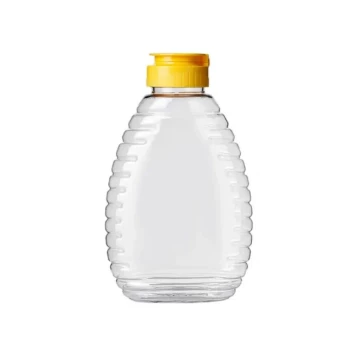
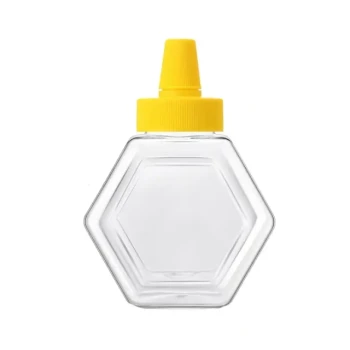
The use of sterile transparent plastic containers is the technical foundation for accurate honey quality assessment. Using these specific containers prevents environmental contamination and moisture exchange, ensuring that the laboratory results reflect the true physicochemical and microbial state of the product.
To maintain the integrity of a honey supply chain, sampling must occur in a controlled environment. Utilizing sterile, transparent, and air-tight containers protects the sample from secondary contamination and moisture fluctuations, which are critical for validating botanical origin and preventing premature fermentation.
Preserving Physicochemical and Microbial Integrity
Preventing Moisture Exchange and Fermentation
Honey is highly hygroscopic, meaning it readily absorbs moisture from the atmosphere. Sterile, air-tight plastic containers block this moisture exchange, which is vital for calculating the initial moisture content and preventing yeast activity. If moisture levels fluctuate during transit to the lab, the sample may undergo premature fermentation, rendering the analysis of the entire batch invalid.
Eliminating Secondary Microbial Contamination
Sterility is non-negotiable for identifying the true microbial profile of a honey batch. These containers ensure that detected microflora—such as Escherichia coli or Staphylococcus—originate from the hive environment rather than external handling. This level of precision is essential for meeting international safety standards and passing rigorous customs inspections.
Safeguarding the Pollen Spectrum
For B2B resellers, proving geographical and botanical origin is a key value proposition. Sterile containers prevent the introduction of external pollen, ensuring that palynological analysis accurately reflects the honey’s true source. This protects the "Organic" or "Monofloral" certifications that drive premium pricing in wholesale markets.
Visual Verification and Volume Standardization
The Role of Transparency in Quality Control
Transparency allows for immediate visual inspection of the honey’s physical state before it even reaches the laboratory. Technical experts can quickly observe the honey's color, check for the presence of bubbles (indicating fermentation), or identify foreign impurities. This "glanceable" data allows distributors to make rapid decisions regarding batch acceptance.
Optimizing Laboratory Efficiency
Using a standardized 500-gram capacity ensures that there is a sufficient sample volume for multiple laboratory repetitions. This prevents delays in the testing phase, as the lab will not need to request a re-sample if a specific test needs to be verified. In a high-volume trading environment, this leads to faster order fulfillment and streamlined logistics.
Understanding the Trade-offs
Material Selection: Plastic vs. Glass
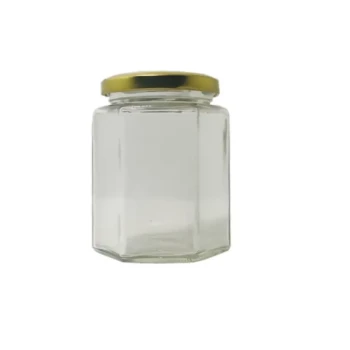
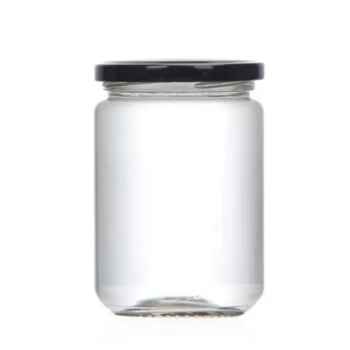
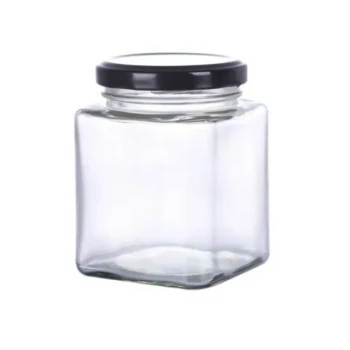
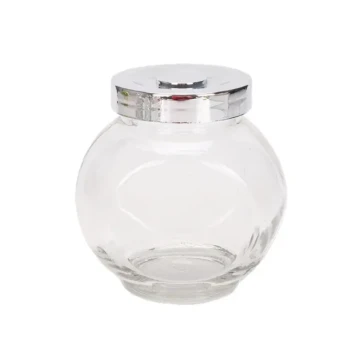
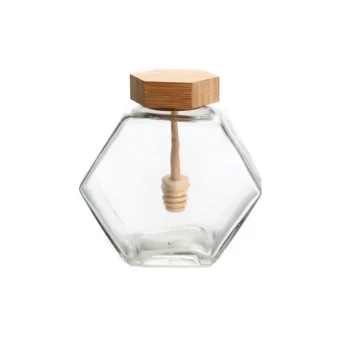
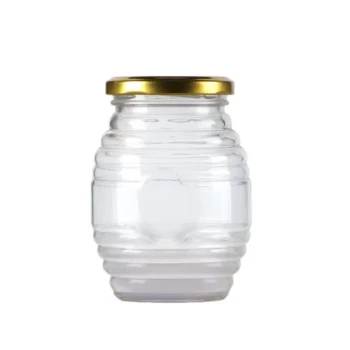
While glass containers offer superior chemical stability and do not react with honey, they are heavy and prone to breakage during rapid shipping. Industrial-grade sterile plastic provides a lightweight, durable alternative that maintains sample integrity without the logistical risks of glass. However, stakeholders must ensure the plastic is food-grade to avoid chemical leaching over long storage periods.
The Risk of Non-Sealed Containers
Using a container that is sterile but not perfectly sealed is a common pitfall. Even a minor breach in the seal can lead to pollen contamination or moisture absorption, which can disqualify a batch from high-value organic markets. For distributors, this emphasizes the need for high-quality, professional-grade sampling kits.
How to Apply This to Your Sourcing Strategy
Making the Right Choice for Your Goal
- If your primary focus is rapid market entry: Prioritize 500g sterile plastic containers with rapid-seal lids to minimize sampling time and expedite lab turnover.
- If your primary focus is premium botanical certification: Ensure sampling protocols use high-grade sterile containers specifically to protect the original pollen spectrum for palynological testing.
- If your primary focus is long-distance wholesale logistics: Invest in durable, impact-resistant sterile plastic to ensure sample integrity remains intact through various climate zones and handling stages.
Technical precision in sampling is the most effective way to guarantee the authenticity, safety, and market value of your honey inventory.
Summary Table:
| Feature | Key Benefit | Impact on Business |
|---|---|---|
| Sterility | Eliminates secondary microbial contamination | Ensures compliance with international safety standards |
| Airtight Seal | Prevents moisture exchange and fermentation | Protects sample integrity for accurate quality grading |
| Transparency | Enables immediate visual inspection | Faster batch acceptance and identification of impurities |
| 500g Capacity | Standardized volume for lab repetitions | Streamlines logistics and avoids costly re-sampling |
Scale Your Honey Business with HONESTBEE
At HONESTBEE, we empower commercial apiaries and B2B distributors with a one-stop sourcing solution for the entire beekeeping lifecycle. From specialized honey-filling and hive-making machinery to high-grade sampling consumables, our comprehensive wholesale portfolio is designed to meet the rigorous demands of the global market.
Why partner with us?
- Industry Expertise: Deep professional knowledge to support your technical requirements.
- Supply Reliability: Rapid response times and ultra-fast delivery to keep your operations running.
- Strategic Growth: High-quality tools and equipment that protect your profit margins and ensure product authenticity.
Ready to optimize your supply chain with premium beekeeping hardware and merchandise?
Contact Our Wholesale Team Today
References
- Willhams Andrade Silva, Glayciane Costa Góis. Physicochemical Analysis of Honey Produced and Sold in the Municipality of Senhor do Bonfim, Bahia. DOI: 10.4025/actascianimsci.v47i1.71987
This article is also based on technical information from HonestBee Knowledge Base .
Related Products
- Squeezable No-Drip Beehive-Shaped Honey Jars with Flip-Top Cap
- Classic Beehive Honey Bottle Jar with Squeeze Dispenser Lid
- Food Grade Plastic Honey Bucket Pail for Beekeeping
- Hexagonal Glass Honey Jars with Metal Lug Caps Elegant Versatile Packaging
- Classic Honey Bear Jars with Flip Top Dispensing Cap for Liquid Sweeteners
People Also Ask
- What food safety standards must honey containers meet? Expert Guide to Packaging Integrity & Hygiene
- Why is it important to distinguish between weight and volume when selecting honey containers? Maximize Profits Now
- What are the benefits of purchasing honey containers in bulk? Maximize Margins & Secure Your Supply Chain
- What types of containers are ideal for storing liquid honey? Preserve Quality with Glass or Plastic
- How many jars of honey can you get from a hive? Maximize Your Yield with Strong Hive Management