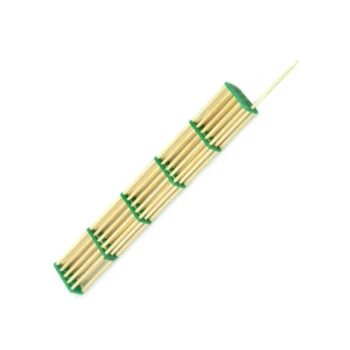
The mechanical separation of Varroa mites using powdered sugar relies on a dual-action physical process involving adhesion interference and size-based filtration. Fine sugar particles coat the honeybees to disrupt the mites' grip, while a mesh screen physically segregates the dislodged parasites from their hosts.
This method functions as a non-destructive separation technique. Unlike chemical washes, it breaks the adhesive bond of the mite's feet without killing the bee, allowing for the collection of live mites for further study.
How Powdered Sugar Dislodges Mites
Interference with Adhesion
The core mechanism begins with fine particles of powdered sugar. When applied, these particles thoroughly coat the body of the honeybee.
Disabling the Grip
This coating physically interferes with the adhesive ability of the Varroa mite's feet. The dust creates a slipping hazard for the parasite, making it impossible for them to maintain a hold on the host.
Mechanical Detachment
Once the mite loses its grip due to the sugar interference, it dislodges from the bee. This renders the mite loose within the container, ready for separation.
The Role of the Mesh Screen
Size-Based Filtration
The separation hardware relies on a mesh screen, typically a #8 mesh, which acts as a physical filter. This specific pore size is calibrated to utilize the size difference between the host and the parasite.
Selective Passing
The mesh pores are large enough to allow the smaller, dislodged Varroa mites to pass through. However, they are small enough to physically block the larger honeybees.
Agitation and Collection
When the container is mechanically agitated (shaken), the loose mites fall through the mesh into a collection area. The bees remain safely contained above the screen, effectively separating the two populations.
Important Trade-offs and Considerations
Sample Integrity vs. Lethality
The primary advantage of this mechanism is that it is non-destructive. Because no lethal chemicals (like alcohol) are used to kill the bees, the sample remains alive.
Requirement for Physical Agitation
Success relies heavily on mechanical agitation. Unlike chemical washes that may kill mites instantly to make them drop, this method requires sufficient shaking to ensure the sugar coats the bees and the loose mites fall through the screen.
Making the Right Choice for Your Goal
This method is specifically designed for scenarios where the survival of the host or the parasite is required.
- If your primary focus is behavioral studies or toxicity screening: Use the powdered sugar method to harvest live mites without harming them.
- If your primary focus is preserving the bee colony: Choose this method to assess mite levels without effectively destroying the sample of bees.
This mechanism transforms a standard pest check into a tool for advanced biological research by leveraging simple physical principles.
Summary Table:
| Mechanism Component | Action Performed | Functional Result |
|---|---|---|
| Powdered Sugar | Coats bee and mite body | Disrupts adhesive grip of mite feet |
| Mechanical Agitation | Physical shaking | Dislodges loose mites from the bees |
| #8 Mesh Screen | Size-based filtration | Blocks bees while allowing mites to pass |
| Non-Lethal Process | Chemical-free separation | Keeps both bees and mites alive for study |
Elevate Your Apiary Management with HONESTBEE
Precise mite monitoring is the backbone of a healthy commercial apiary. At HONESTBEE, we empower commercial beekeepers and global distributors with the professional-grade tools needed to maintain colony vitality. From specialized mesh filtration hardware to advanced hive-making and honey-filling machinery, our comprehensive wholesale portfolio covers every industry essential.
Ready to scale your beekeeping operations? Contact us today to discover how our specialized equipment and honey-themed cultural merchandise can add value to your business and protect your colonies.
References
- Tekalign Begna, Chuleui Jung. Acaricidal Toxicity of Four Essential Oils, Their Predominant Constituents, Their Mixtures against Varroa Mite, and Their Selectivity to Honey Bees (Apis cerana and A. mellifera). DOI: 10.3390/insects14090735
This article is also based on technical information from HonestBee Knowledge Base .
Related Products
- 12V Bee Mite Removal Evaporator Oxalic Acid Vaporizer for Bee Fumigation Treatment 180W Atomization
- Durable 12V Oxalic Acid Vaporizer for Varroa Mite Treatment Beehive Beekeeping Tool
- Varroa Easy Check Mite Tester Kit Counter Alcohol Wash Jar
- Heavy Duty 12V Oxalic Acid Evaporator Vaporizer for Bee Varroa Mite Treatment Beekeeping Fumigator Atomizer
- Oxalic Acid Vaporizer 12V for Bee Varroa Mite Treatment
People Also Ask
- What should be done after applying the vapor? A Step-by-Step Guide to Sealing Your Hive
- What are the main advantages of using oxalic acid vaporization for Varroa mite control? Achieve 90%+ Efficacy Safely
- How can oxalic acid vaporization be used effectively in a hive that contains brood? Master Multi-Stage Mite Control
- What is the process of using an oxalic acid vaporizer? A Step-by-Step Guide to Safe Varroa Control
- Why is it necessary to control varroa mite infestations? Protect Your Colony with Oxalic Acid Vaporizers