The most widely accepted dimension for bee space among beekeepers is 5/16 inch. While specific hive configurations, particularly Langstroth-style hives, may accommodate a range between 5/16 inch and 3/8 inch, the 5/16-inch measurement is the standard average used to separate frames and hive components effectively.
"Bee space" is the precise tolerance required within a hive to allow bees to work comfortably without gluing components together or filling gaps with excess comb.
The Standard in Modern Beekeeping
The Dominance of the Langstroth Design
The Langstroth hive is the most common hive type used in apiculture today due to its universality and practical design. Its functionality relies entirely on maintaining accurate internal spacing.
To ensure movable frames remain truly movable, the hive is built with just enough space for bees to navigate. This design standard dictates that a gap of 5/16 to 3/8 inch must exist between each frame and between the frames and the hive walls.
Defining the Working Gap
The primary purpose of this dimension is separation. In a Langstroth hive, the 5/16-inch gap is critical for separating each frame from its neighbor and from all other structural parts of the hive box.
By strictly adhering to this dimension, beekeepers ensure that the bees perceive the gap as a corridor for movement rather than a void to be filled or a crack to be sealed.
Understanding the Trade-offs
The Risk of Imprecise Spacing
While the accepted average is 5/16 inch, the tolerance is tight. A Langstroth hive can function with a 3/8-inch space, but deviating beyond this narrow window creates management issues.
Consequences of Deviation
If the space is significantly smaller than 5/16 inch, bees may not be able to pass through freely, or they may seal the gap with propolis. Conversely, if the gap exceeds the 3/8-inch upper limit, bees will often build unwanted comb (burr comb) in the void, fusing frames together and making inspections difficult.
Making the Right Choice for Your Goal
To ensure your hive functions as intended, you must align your construction or purchase decisions with established standards.
- If your primary focus is standard Langstroth management: Ensure all equipment maintains a strict 5/16 to 3/8 inch gap between components to keep frames movable.
- If your primary focus is building custom equipment: Aim for a precise 5/16 inch target to maximize compatibility with standard tools and frames.
Adhering to this precise fraction of an inch is the difference between a manageable colony and a fused, difficult-to-inspect hive.
Summary Table:
| Dimension Range | Ideal Standard | Purpose | Risk of Violation |
|---|---|---|---|
| 5/16" to 3/8" | 5/16 inch | Ensures movable frames and clear bee corridors | < 5/16": Glued with propolis > 3/8": Excess burr comb |
Scale Your Apiary with Precision-Engineered Equipment
Maintaining perfect bee space is the foundation of a productive commercial apiary. At HONESTBEE, we specialize in supporting commercial beekeepers and distributors with high-quality equipment designed to exact industry standards.
Whether you need precision hive-making machinery, automated honey-filling systems, or a bulk supply of standardized beekeeping tools and consumables, our comprehensive wholesale portfolio has you covered. Let us help you streamline your operations and maximize hive efficiency.
Contact HONESTBEE today for a wholesale quote
Related Products
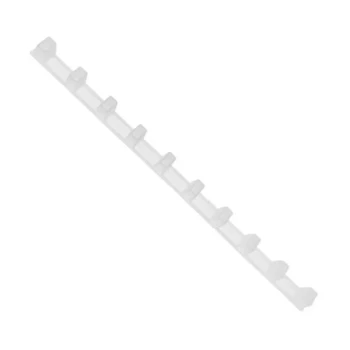
- Durable Plastic Frame Spacer
- Ergonomic Plastic Frame Spacer Tool for Rapid Hive Management Beekeeping
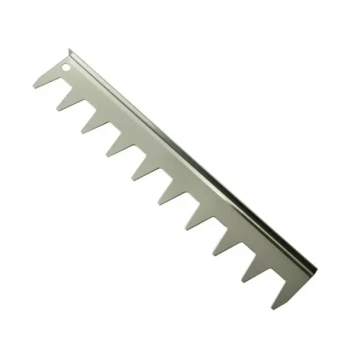
- Stainless Steel 9 Frame Hive Spacer Durable Precise for Commercial Beekeeping
- Professional Bee Frame Machine for Side Bar Shaping
- Assembled Wooden Bee Frames with Beeswax Foundation Ready to Use by HONESTBEE
People Also Ask
- Are plastic bee hive frames good? A Guide to Modern Durability vs. Natural Appeal
- Are plastic bee frames good? A Guide to Durability, Efficiency & Bee Acceptance
- What are the advantages of using Standard Langstroth 10-frame equipment? Scale Your Commercial Apiary Efficiency
- How do you clean plastic frames? A Gentle Guide to Preserving Your Frames
- How must plastic frames be prepared for bees? Expert Tips for 100% Acceptance & Success