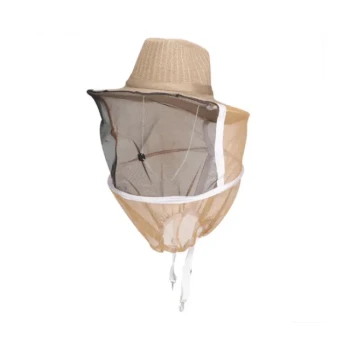
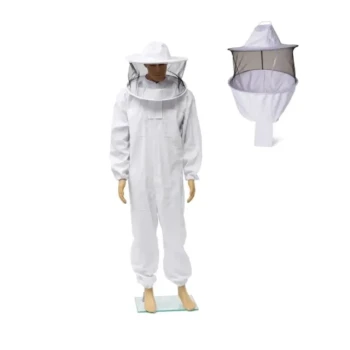
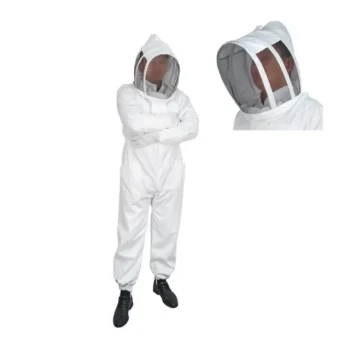
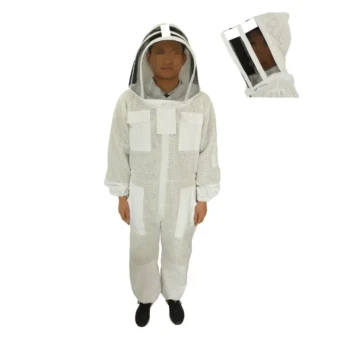
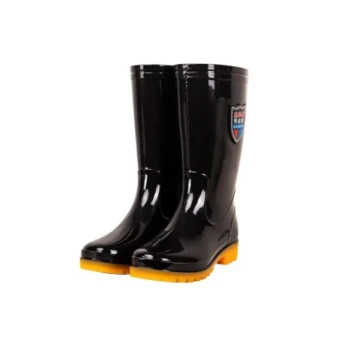
The necessity of Personal Protective Equipment (PPE) and cleaning supplies in apiary operations extends far beyond basic sting prevention; they are critical for business survival during public health crises.
In the context of a public health emergency, these consumables serve as the foundation for biosecurity protocols. They protect the workforce from health risks, ensuring that essential operations—such as colony management, pest control, and honey harvesting—can legally and safely continue during periods of restricted movement or quarantine.
Core Insight: While standard beekeeping gear protects against stings, during a public health emergency, PPE and cleaning supplies serve a dual purpose: safeguarding human health to prevent workforce collapse and enabling the strict biosecurity required to maintain operational continuity.
The Strategic Role of Hygiene and Safety Gear
Implementing Biosecurity Protocols
During health crises, effective biosecurity becomes the primary license to operate.
PPE and cleaning supplies are fundamental consumables that prevent the spread of illness among the workforce.
By implementing these barriers, apiaries can adhere to strict health standards, reducing the risk of cross-contamination between workers or sites.
Maintaining Operational Continuity
Apiaries cannot simply shut down; living colonies require constant management regardless of external conditions.
Adequate supplies ensure that critical tasks, such as pest control and honey harvesting, proceed uninterrupted.
Even during lockdowns, possessing the right protective and cleaning gear allows the necessary maintenance to keep the business viable.
Enhancing Precision and Reducing Error
Beyond viral protection, PPE provides a necessary physical barrier against stings and the biting behaviors of specific bee varieties.
This barrier enhances the operator's psychological comfort, removing the distraction of fear or anxiety.
A calm, protected operator works with higher precision, significantly reducing the risk of colony damage caused by human error during inspections.
Operational Challenges and Trade-offs
The Cost of Professionalization
Transitioning to industrial-grade PPE and maintaining rigorous cleaning schedules introduces higher operational costs.
Small-scale operations may find the financial burden of "professionalizing" their safety gear steeper than established enterprises.
However, this investment is often the dividing line between hobbyist activities and a resilient, professional business.
Reliance vs. Skill
High-quality gear reduces the difficulty of beekeeping, but it should not replace fundamental handling skills.
There is a risk that operators may rely too heavily on the "safety barrier" of the suit.
True safety requires balancing protective hardware with the ergonomic management tools and training necessary to read colony behavior accurately.
Ensuring Resilience in Your Operation
To navigate public health emergencies effectively, you must align your equipment strategy with your operational goals:
- If your primary focus is Operational Continuity: Prioritize the stockpile of cleaning supplies and biosecurity-grade PPE to satisfy health regulations and prevent workforce illness.
- If your primary focus is Workforce Efficiency: Invest in professional, ergonomic bee suits to maximize psychological comfort, allowing for faster and more precise hive inspections.
By treating PPE and cleaning supplies as essential infrastructure rather than simple accessories, you secure both your workforce and the future of your colonies.
Summary Table:
| Category | Essential Consumables | Role in Public Health Emergencies |
|---|---|---|
| Workforce Safety | Biosecurity-grade PPE | Prevents workforce collapse and adheres to health regulations. |
| Hygiene Control | Specialized Cleaning Supplies | Eliminates cross-contamination between sites and personnel. |
| Operational Stability | Ergonomic Bee Suits | Reduces human error and maintains focus during critical hive tasks. |
| Risk Mitigation | Protective Barriers | Ensures legal compliance to operate during quarantine or lockdowns. |
Secure Your Apiary’s Future with HONESTBEE Professional Gear
In times of crisis, the right equipment is your strongest asset. HONESTBEE empowers commercial apiaries and distributors with high-quality, wholesale solutions designed for resilience and efficiency.
Our extensive portfolio includes:
- Advanced PPE & Consumables: From industrial-grade bee suits to essential cleaning supplies for strict biosecurity.
- Beekeeping Machinery: State-of-the-art hive-making and honey-filling machines to automate your production.
- Full-Spectrum Equipment: A complete range of tools and honey-themed merchandise to scale your business.
Don't let your operations be compromised by inadequate safety protocols. Partner with HONESTBEE today to access the premium tools and machinery needed to protect your workforce and optimize your honey production.
References
- Miriam Bixby, M. Marta Guarna. Impacts of COVID-19 on Canadian Beekeeping: Survey Results and a Profitability Analysis. DOI: 10.1093/jee/toab180
This article is also based on technical information from HonestBee Knowledge Base .
Related Products
- Beekeeping Gloves Goatskin Leather with Long Cotton Sleeve for Beekeepers
- White Cotton Beekeeping Jacket and Veil for Bee Keepers
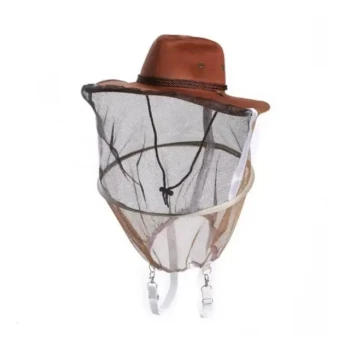
- Beekeeping Jacket with Hood and Veil for Beekeepers
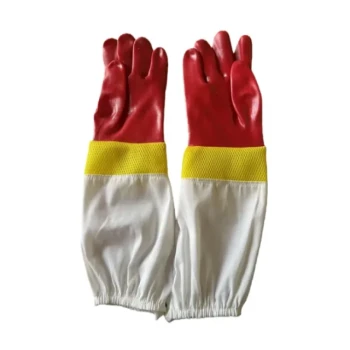
- Heavy Duty Red Rubber Beekeeping Gloves with Vented Mesh Cotton Sleeves
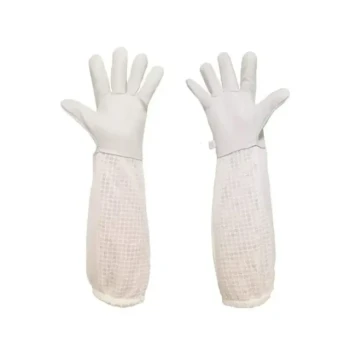
- Premium Ventilated Goatskin Beekeeping Gloves with Full 3-Layer Mesh Sleeve
People Also Ask
- What are the characteristics of the best gloves for beekeeping? Choose Protection & Dexterity
- What are the primary purposes of using beekeeping gloves? Protect Your Hands and Ensure Apiary Hygiene
- What types of gloves are available for beekeeping? Choose the Right Protection for Your Hive
- Why is it important for beekeepers to wear gloves? Essential Safety and Confidence for Hive Management
- Why do some experienced beekeepers opt not to wear gloves? Discover the Benefits of Tactile Precision