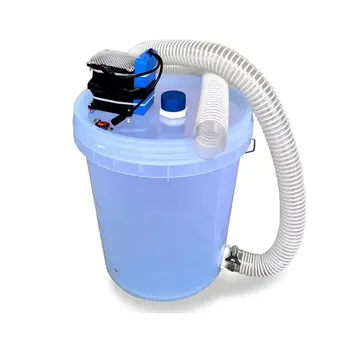
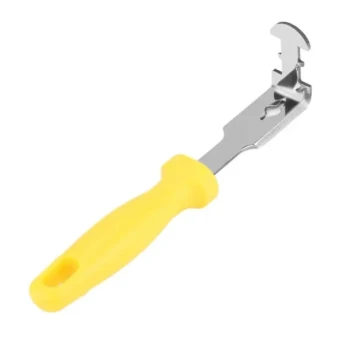
The necessity of using an aspirator lies in its ability to capture live worker bees rapidly without inflicting physical harm. This portable tool is critical for field sampling because it preserves the biological state of the bee at the exact moment of collection. By avoiding injury, researchers ensure the subject remains a viable vessel for high-fidelity chemical analysis.
Scientific validity in bee sampling depends on minimizing stress and physical damage during capture. An aspirator is essential because it secures live samples without injury, preserving critical data regarding volatile or rapidly metabolized pollutants.
Preserving Sample Integrity
Avoiding Physical Trauma
Traditional manual collection methods pose a significant risk of crushing or damaging the insect. Physical injury can trigger immediate biological stress responses that alter the bee's internal chemistry.
Ensuring Rapid Capture
Speed is a critical factor when sampling live populations in the field. An aspirator allows researchers to collect bees from hives or specific sampling points quickly. This efficiency reduces the time the hive is disturbed and ensures a consistent sample group.
The Role of Portability
Fieldwork requires tools that are easy to transport and deploy in various environments. The aspirator is designed to be portable, allowing researchers to maintain "real-time" access to samples directly at the source.
The Impact on Chemical Analysis
Capturing Volatile Pollutants
Many environmental pollutants accumulated by bees are volatile, meaning they can evaporate or degrade quickly. Physical damage to the bee can compromise the containment of these substances. The aspirator keeps the bee intact, preventing the loss of these sensitive chemical markers.
Analyzing Metabolized Compounds
Pollutants that are rapidly metabolized by the bee require the organism to be in a specific state at the time of analysis. If a bee is injured during capture, its metabolic rate may fluctuate, obscuring the data. Non-invasive capture ensures the pollutants are measured as they exist within the living system.
Understanding the Trade-offs
Equipment Dependency
While an aspirator is superior for sample integrity, it introduces a dependency on specific equipment during field operations. Unlike manual collection, a malfunction or loss of the tool stops the sampling process entirely.
Manual Operation Requirement
The aspirator is a manual tool requiring a researcher's physical presence at the hive. While it is efficient, it does not offer the passive, automated collection capabilities of some trap-based monitoring systems.
Making the Right Choice for Your Research
To ensure your sampling methodology aligns with your scientific objectives, consider the specific nature of the data you need to collect.
- If your primary focus is analyzing volatile chemicals: Use an aspirator to prevent physical damage that could cause the loss of sensitive compounds.
- If your primary focus is metabolic research: Rely on the aspirator to capture the bee without injury, preventing stress-induced changes to metabolic rates.
By prioritizing non-invasive capture, you ensure that your data reflects the environmental reality rather than the trauma of the collection process.
Summary Table:
| Feature | Traditional Manual Collection | Aspirator-Based Sampling |
|---|---|---|
| Physical Integrity | High risk of crushing/injury | Non-invasive and safe |
| Sample State | Stress-induced metabolic changes | Preserves biological state |
| Chemical Accuracy | Volatile compounds may be lost | High fidelity for volatile analysis |
| Efficiency | Slower, disruptive to hive | Rapid, targeted collection |
| Portability | Low (requires extra containers) | High (all-in-one portable tool) |
Elevate Your Beekeeping Operations with HONESTBEE
At HONESTBEE, we understand that precision is the foundation of successful beekeeping for both commercial apiaries and distributors. Whether you are conducting scientific field research or managing large-scale operations, our comprehensive wholesale portfolio offers everything from specialized hive-making and honey-filling machinery to essential beekeeping tools like high-quality aspirators.
Why partner with us?
- Comprehensive Supply: One-stop-shop for all beekeeping hardware and consumables.
- Built for Scale: Reliable equipment designed specifically for commercial and industrial demands.
- Expert Support: We help you select the right tools to maximize efficiency and preserve hive health.
Ready to upgrade your apiary’s equipment or expand your distribution inventory? Contact us today to explore our full range of solutions!
References
- Żaneta Bargańska, Jacek Namieśnik. Honey bees and their products: Bioindicators of environmental contamination. DOI: 10.1080/10643389.2015.1078220
This article is also based on technical information from HonestBee Knowledge Base .
Related Products
- Stainless Steel J Hook Hive Tool for Beekeeping
- Wooden Bee Brush with Triple Row Artificial Fiber for Beekeeping
- High Performance Cordless Electric Bee Shaker for Beekeeping
- Professional Dual Action Queen Excluder Scraper for Beekeeping
- HONESTBEE Classic Pry Bar Hive Tool with High Visibility Finish for Beekeeping
People Also Ask
- What specific challenges do beekeeping hive tools address during hive maintenance? Essential Solutions for Apiaries
- What is a J-hook hive tool and why is it favored by some beekeepers? Master Gentle Frame Handling
- What are the features of a J-hook hive tool? Effortlessly Lift Frames with Superior Leverage
- What is the purpose of the J-hook hive tool? Effortlessly Lift Frames with Superior Leverage
- How is a J-hook hive tool designed and what is its primary use? Master Effortless Hive Inspections