Using food-grade containers is a non-negotiable requirement for the safe storage and transportation of honey, primarily to prevent chemical contamination and spoilage. Because honey is weakly acidic and highly hygroscopic (absorbs moisture), it requires inert, airtight vessels to prevent reactions with container materials and to block atmospheric moisture that leads to fermentation.
Core Takeaway The necessity of food-grade packaging extends beyond simple compliance; it is physically required to preserve honey's chemical stability. Non-food-grade materials react with honey’s acidity to introduce heavy metals and pollutants, while poor seals allow moisture ingress that destroys shelf life through fermentation.
The Critical Role of Chemical Inertness
Preventing Heavy Metal Contamination
Honey is naturally acidic. If stored in non-specialized containers, particularly iron drums or non-food-grade metals, the honey can react with the container walls. This chemical reaction frequently leads to the leaching of heavy metals into the product, rendering it unsafe for consumption.
Avoiding Chemical Migration
Standard recycled plastics or industrial containers often contain residues or unstable compounds. Food-grade containers, such as those made from PET, offer excellent chemical stability. They provide an inert environment that prevents chemical migration, ensuring the honey remains free from industrial pollutants and foreign odors.
Controlling Moisture and Spoilage
Counteracting Hygroscopicity
Honey is highly hygroscopic, meaning it actively attracts and absorbs moisture from the surrounding air. If the water content rises too high, natural yeasts in the honey will activate, leading to fermentation and spoilage.
The Necessity of Hermetic Seals
Food-grade containers are specifically engineered with high-quality, airtight seals. This "hermetic" environment creates a barrier against atmospheric moisture. By maintaining low moisture levels, these containers preserve the honey's quality during long periods of storage, specifically during production off-seasons.
Logistics and Physical Integrity
Durability During Transport
Transporting honey from remote production areas to urban markets often involves rough terrain. Food-grade industrial plastic buckets are designed to be pressure-resistant and leak-proof. Unlike metal, they are lightweight and flexible enough to prevent product damage during long-distance logistics.
Facilitating Natural Clarification
High-quality airtight buckets serve a dual purpose during storage. While protecting the honey, they allow for a settling process where air bubbles and fine particles rise to the top. This facilitates natural clarification without exposing the honey to external contaminants.
Understanding the Trade-offs
The "False Economy" of Cheap Storage
It is often tempting to use recycled plastic drums or general-purpose metal containers to reduce operational costs. However, this is a financial pitfall. The cost saved on packaging is frequently negated by product loss due to spoilage (fermentation) or market rejection due to contamination (off-flavors or metal ions).
Material Specificity
Not all plastic is suitable for honey, even if it claims to be durable. You must specifically seek out food-grade designations (like PET or specific high-density plastics). Using generic industrial plastics that lack these specific inert properties can still lead to the migration of chemical residues, causing the honey to fail precise physicochemical analysis.
Making the Right Choice for Your Goal
To maximize the value and safety of your honey, align your container choice with your specific operational phase:
- If your primary focus is Long-Term Storage: Prioritize airtight, chemically inert plastic containers (like PET) to prevent moisture absorption and fermentation during off-seasons.
- If your primary focus is Transportation: Select high-strength, pressure-resistant food-grade plastic buckets that can withstand rough handling without leaking or reacting with the honey's acidity.
- If your primary focus is Market Access: Use certified food-grade packaging to guarantee compliance, build consumer trust, and ensure your product passes strict quality analysis for trade.
Ultimately, the container is not just a vessel; it is an active component of your quality control system that preserves the honey's natural chemistry.
Summary Table:
| Key Feature | Benefit for Honey Storage | Impact of Using Non-Food Grade |
|---|---|---|
| Chemical Inertness | Prevents reactions with honey's natural acidity | Leaching of heavy metals and toxins |
| Hermetic Sealing | Blocks atmospheric moisture and prevents fermentation | Increased water content and spoilage |
| Material Stability | Ensures no chemical migration or foreign odors | Chemical residue and off-flavors |
| Physical Durability | Prevents leaks and damage during transit | Product loss and environmental exposure |
Secure Your Harvest with HONESTBEE Professional Solutions
At HONESTBEE, we understand that high-quality honey requires high-quality protection. We provide commercial apiaries and distributors with a comprehensive wholesale range of certified food-grade storage and transportation equipment designed to preserve your product's chemical stability and market value.
How we support your success:
- Premium Equipment: From airtight food-grade buckets to advanced honey-filling machines.
- End-to-End Solutions: A full spectrum of beekeeping tools, machinery, and essential consumables.
- Industry Expertise: Tailored hardware and honey-themed merchandise to enhance your brand's reach.
Don't risk your harvest with sub-standard storage. Ensure your honey meets international quality standards and reaches your customers in peak condition.
Contact HONESTBEE Today for Wholesale Inquiries
References
- R. B. Jones. Beekeeping Around the World. DOI: 10.1080/0005772x.2000.11099467
This article is also based on technical information from HonestBee Knowledge Base .
Related Products
- Food Grade Plastic Honey Bucket Pail for Beekeeping
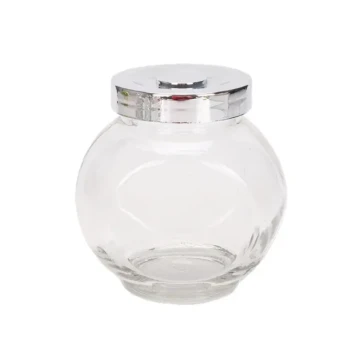
- Classic Drum Shaped Glass Honey Jar with Airtight Lid
- Plastic Honey Gate Spout with Wing Nut for Beekeeping Honey Bucket
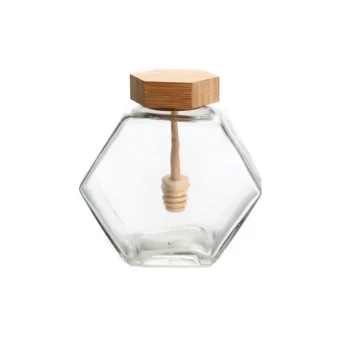
- Hexagonal Glass Honey Jar with Wooden Lid Integrated Dipper Elegant Functional Storage
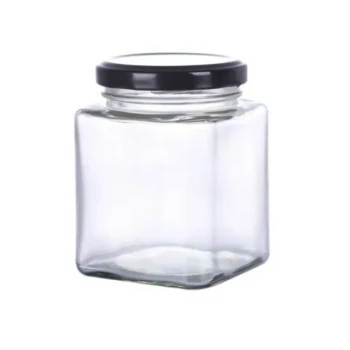
- Modern Square Glass Honey Jar with Twist Off Lid
People Also Ask
- What key operational precautions should be taken when using honey buckets and extractors fitted with bottom drain taps?
- What functions do food-grade honey buckets perform? Safeguard Your Harvest and Optimize Apiary Logistics
- Why are food-grade plastic buckets preferred for honey? Protect Quality with Modern Honey Collection Tools
- What is the significance of food-grade plastic honey collection buckets? Boost Quality in Forest Honey Logistics
- What is a honey pail? The Essential Container for Protecting Your Honey's Value