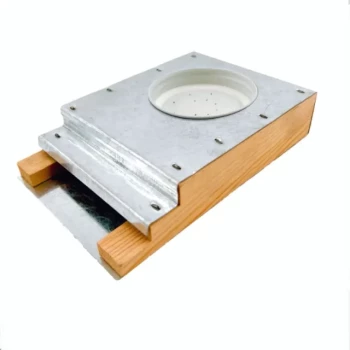
The use of specialized feeders during the off-season is a critical survival intervention, not merely a supplementary option. When natural nectar sources disappear, these feeders provide high-concentration syrup or nutritional energy feed to bridge the caloric gap. This remedial process is the primary defense against colony starvation and total hive collapse.
By simulating a natural nectar flow, artificial feeding tricks the colony’s biological triggers, ensuring they maintain reproductive vitality and population strength even when the external environment is resource-poor.
The Strategic Role of Artificial Feeding
Ensuring Survival in Extreme Environments
During periods of dearth, the natural environment fails to sustain the hive. Specialized feeders act as a lifeline, delivering high-energy nutrition directly to the colony. This intervention is necessary to maintain the basic biological functions of the hive during extreme conditions.
Preventing Hive Abandonment
A colony facing starvation will often exhibit "absconding" behavior, where the bees abandon the hive to seek better resources. Consistent artificial feeding stabilizes the colony's environment. It suppresses the migration instinct by assuring the bees that the current location remains viable.
Maintaining Reproductive Vitality
Colony strength fluctuates based on resource availability; without food, reproduction slows or stops. Artificial feeding simulates the conditions of a natural nectar flow period. This signals the colony to continue rearing brood, ensuring the population remains strong enough to capitalize on the next actual season.
Critical Considerations and Trade-offs
The Necessity of High Concentration
The reference specifies the use of high-concentration syrup or nutritional energy feed. Using low-nutrient or diluted feeds during the off-season may fail to provide the necessary caloric density. The colony may expend more energy processing weak feed than they gain from it, negating the remedial benefit.
Remedial vs. Permanent Solutions
Artificial feeding is defined as a "remedial process." It is a stop-gap measure for survival during specific off-season windows. It requires monitoring to ensure it is effectively mimicking natural flow without masking other health issues within the hive.
Strategic Implementation for Colony Health
Effective off-season management requires aligning your feeding strategy with specific colony needs.
- If your primary focus is preventing colony loss: Deploy feeders immediately when natural resources vanish to stop starvation and prevent the colony from absconding.
- If your primary focus is future productivity: Use the feeders to simulate a continuous flow, ensuring the colony maintains the reproductive vitality required for the upcoming season.
By treating artificial feeding as a precise environmental simulation, you ensure your colonies emerge from the off-season strong, stable, and ready to work.
Summary Table:
| Strategic Role | Benefit of Artificial Feeding | Implementation Goal |
|---|---|---|
| Survival Intervention | Bridges caloric gap with high-concentration syrup | Prevent colony starvation |
| Behavioral Stability | Suppresses the migration/absconding instinct | Retain colony population |
| Reproductive Vitality | Simulates nectar flow to encourage brood rearing | Prepare for next peak season |
| Environmental Buffer | Offsets lack of natural resources in extreme conditions | Stabilize hive health |
Maximize Your Apiary's Survival Rate with HONESTBEE
Don't let the off-season threaten your livelihood. At HONESTBEE, we specialize in supporting commercial apiaries and distributors with the high-performance tools required for professional colony management. From precision-engineered specialized feeders to industrial honey-filling machines and comprehensive hive-making hardware, our wholesale portfolio is designed to enhance your efficiency and scale.
Whether you are looking to stock essential consumables or upgrade your machinery, our expert team is ready to provide the solutions your business needs to thrive.
Contact us today to explore our full range of beekeeping equipment!
References
- Pandey Asmita, Paudel Santosh. ASSESSMENT OF THE EXISTING STATUS OF THE BEEKEEPING SUB-SECTOR IN THE DANG DISTRICT, NEPAL. DOI: 10.18551/rjoas.2023-09.11
This article is also based on technical information from HonestBee Knowledge Base .
Related Products
- Rapid Bee Feeder White Plastic 2L Round Top Feeder for 8 or 10-Frame Bee Hives
- HONESTBEE Entrance Bee Feeder Professional Hive Nutrition Solution for Beekeeping
- White Plastic 0.5L Beekeeping Entrance Feeder for Bees
- HONESTBEE Entrance Bee Feeder Efficient Hive Front Liquid Feeding Solution for Beekeeping
- HONESTBEE Professional Entrance Bee Feeder Hive Nutrition Solution
People Also Ask
- What should be done with feeders and equipment after feeding bees? Essential Steps for Apiary Health
- What should be done if feed in a feeder is not consumed by the bees? Prevent Hive Mold with Prompt Feed Management
- What is the necessity of specialized internal or entrance feeders? Secure Your Hive with Professional Feeding Tools
- How do bee feeders work to preserve colony health during nectar shortages? Essential Guide for Beekeepers
- How quickly does a medium to strong colony usually empty a feeder? A Beekeeper's Guide to Hive Health