Bee pollen is a protein-rich hive product, but its composition varies by floral source, region, and processing method. It can contain up to approximately 35% protein, along with sugars, amino acids, lipids, enzymes, vitamins, minerals, and sterols. Commercial apiaries harvest it with pollen traps, then use rapid freezing or drying equipment to prevent moisture absorption, fermentation, and quality loss.
Bee pollen offers meaningful nutritional and commercial value, but it should be treated as a variable natural ingredient rather than a standardized food. Efficient commercialization depends on a complete equipment chain: pollen traps, propolis collectors, royal jelly tools, beeswax processing equipment, hygienic handling systems, and packaging machinery.
What Gives Bee Pollen Its Nutritional Value?
Protein and Amino Acids
Bee pollen can contain up to 35% protein, making it one of the colony’s primary sources of dietary protein. Bees use its amino acids to support brood rearing, larval development, and colony growth.
For human products, the actual protein level depends on the plant species visited by the bees, harvesting conditions, and post-harvest processing.
Vitamins, Minerals, and Lipids
Bee pollen contains vitamins, essential minerals, fats or lipids, and sterols. The referenced nutritional profile includes vitamins A, B-complex, C, H, and R, although the exact vitamin content is not uniform across all pollen batches.
These differences matter to distributors and manufacturers because laboratory testing and batch specifications are necessary when supplying dietary supplement, cosmetic, or health-product customers.
Sugars and Enzymes
Bee pollen also contains natural sugars and enzymes. Sugars provide energy for bees, while enzymes contribute to the product’s complex natural composition.
Pollen is not a substitute for honey as an energy source within the colony. Developing larvae and young adult bees require pollen for protein and other nutrients, while carbohydrates primarily come from nectar and honey.
Dietary Supplement Positioning
Bee pollen is widely marketed as a nutritional supplement and is also used in some traditional health practices. However, its benefits should be presented carefully: composition varies, clinical evidence for specific health claims is limited, and pollen may cause allergic reactions in sensitive individuals.
For B2B buyers, responsible labeling, traceability, testing, and regulatory review are as important as the product’s nutritional profile.
How Bee Pollen Is Harvested
Pollen Traps at the Hive Entrance
A pollen trap is installed at the entrance or opening of a standard hive. As returning forager bees pass through the trap screen, pollen pellets are gently removed from their hind-leg pollen baskets and fall into a collection tray.
The trap must be designed and managed to collect excess pollen without significantly depriving the colony of essential nutrition.
Collection Trays and Hive-Compatible Accessories
Collection trays receive the detached pollen pellets below the trap. Hive-compatible designs allow commercial apiaries to integrate harvesting into existing hive configurations without extensive modifications.
Reliable equipment should provide easy access for collection, cleaning, inspection, and replacement of worn components.
Protein Feeders and Feeding Rims
During periods of low floral availability, apiaries may use protein feeders and feeding rims to distribute pollen supplements. These tools support colony management when natural pollen supplies are insufficient.
They are management accessories rather than harvesting equipment, but they are relevant to responsible commercial pollen collection.
Why Post-Harvest Handling Determines Product Value
Moisture Creates a Spoilage Risk
Raw bee pollen rapidly absorbs moisture from the atmosphere. If it is not stabilized promptly, it can ferment and lose commercial value.
This makes collection speed, clean handling, and controlled storage central parts of the harvesting process.
Freezing and Drying Equipment
Commercial operators generally use rapid freezing or drying equipment immediately after collection. Freezing helps preserve raw pollen, while controlled drying reduces moisture and improves storage stability.
The correct method depends on the intended product, desired sensory characteristics, available processing infrastructure, and customer specifications.
Hygienic Handling and Packaging
Pollen intended for dietary supplements or other commercial applications requires hygienic collection, processing, storage, and packaging. Screening, moisture control, batch identification, and appropriate containers help protect purity and consistency.
Automated filling and packaging machinery can improve throughput when pollen is sold in jars, pouches, capsules, or blended products.
Equipment for Other High-Value Hive Products
Propolis Collecting Mats and Collectors
Propolis collectors and collecting mats encourage bees to deposit propolis on a removable surface. Propolis is a resinous material bees use to seal and help sterilize the hive.
After collection, it may enter pharmaceutical, cosmetic, nutritional, or specialty product supply chains, subject to suitable quality controls and market regulations.
Royal Jelly Extraction Tools
Royal jelly is a nutrient-dense secretion produced by worker bees and is commonly associated with B vitamins. Commercial harvesting requires dedicated royal jelly extraction implements and careful handling because the product is perishable and sensitive to storage conditions.
Apiaries supplying premium buyers need clean extraction tools, temperature control, and packaging appropriate to the customer’s formulation requirements.
Solar Wax Melters
Beeswax is another valuable hive product. Solar wax melters use solar heat to separate wax from cappings and other hive materials, supporting efficient recovery with relatively simple processing equipment.
Recovered beeswax can serve cosmetic, pharmaceutical, candle-making, packaging, and industrial customers.
Honey-Filling and Packaging Machinery
Honey remains the primary apiary product, but commercial operators often need automated filling, capping, labeling, and packaging machinery to maintain consistent weight, presentation, hygiene, and order throughput.
A supplier that combines hive-harvesting tools with honey-processing and packaging equipment can support a broader range of apiary requirements.
Understanding the Trade-offs
Collecting Too Much Pollen
Pollen is essential to colony nutrition, particularly for brood rearing and young adult bees. Excessive or continuous trapping can reduce the colony’s available protein supply, especially during poor floral periods.
Commercial collection should therefore be scheduled conservatively and adjusted according to colony strength, local forage, weather, and seasonal conditions.
Raw Versus Dried Pollen
Raw or frozen pollen may retain a product profile valued by some buyers, but it requires stricter cold-chain management. Dried pollen is easier to store and transport, yet drying conditions can affect texture, flavor, moisture content, and certain sensitive constituents.
The best choice depends on the target market and the distributor’s logistics capability.
Standardization Is Difficult
Unlike a synthetic ingredient, bee pollen is naturally variable. Botanical origin, geography, harvest timing, moisture, contamination controls, and processing methods can all influence the final product.
Wholesalers should request batch documentation, analytical testing, origin information, and clear storage requirements before making product-performance or nutritional claims.
Allergy and Regulatory Considerations
Bee pollen can trigger allergic reactions, including in people sensitive to pollen or bee-related products. It should not be presented as a guaranteed allergy treatment.
Distributors and resellers must also verify applicable food, supplement, labeling, import, and health-claim requirements in each destination market.
Making the Right Choice for Your Goal
The equipment package should match both the hive-management objective and the commercial destination of the product.
- If your primary focus is bee pollen production: Use hive-compatible pollen traps, collection trays, hygienic handling gear, and rapid freezing or drying equipment, while limiting trap use to protect colony nutrition.
- If your primary focus is diversified hive-product sourcing: Combine pollen traps with propolis mats, royal jelly extraction tools, solar wax melters, and honey-processing equipment.
- If your primary focus is wholesale or distribution efficiency: Select suppliers that can provide a full-spectrum product portfolio, rapid response, technical support, and coordinated delivery across harvesting, processing, and packaging categories.
- If your primary focus is premium product quality: Prioritize moisture control, batch traceability, clean handling, laboratory testing, and packaging systems suited to the intended market.
- If your primary focus is apiary revenue growth: Develop multiple product lines across nutritional, cosmetic, pharmaceutical, and industrial markets instead of relying exclusively on liquid honey.
With responsible colony management and the right processing chain, bee pollen and other hive products can become reliable additions to a high-value commercial apiary portfolio.
Summary Table:
| Aspect | Key Points |
|---|---|
| Nutritional Value | Up to 35% protein, vitamins, minerals, lipids, sugars, enzymes |
| Harvest Equipment | Pollen traps, collection trays, protein feeders |
| Post-Harvest Handling | Freezing/drying, hygienic packaging |
| Other Hive Products | Propolis collectors, royal jelly tools, solar wax melters, honey processing machinery |
| Commercial Considerations | Batch testing, moisture control, regulatory compliance |
Ready to elevate your apiary with premium bee pollen and other high-value hive products? At HONESTBEE, we provide a comprehensive wholesale portfolio for commercial apiaries and distributors, covering everything from pollen traps and processing machinery to packaging solutions. Our one-stop sourcing ensures rapid response, dedicated support, and ultra-fast delivery. Contact us today to discuss your bulk requirements and discover how we can streamline your supply chain and boost your profitability. Get in touch now!
Related Products
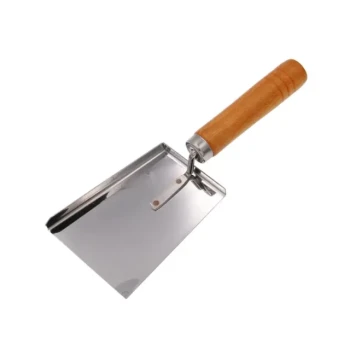
- Stainless Steel Pollen Shovel with Wooden Handle
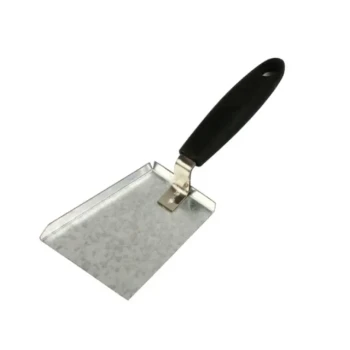
- Heavy-Duty Ergonomic Grip Galvanized Pollen Shovel
- 30 cm Plastic Entrance Hole Bee Pollen Trap and Collector
- Plastic Bee Pollen Trap Strips Comb Catcher Collector
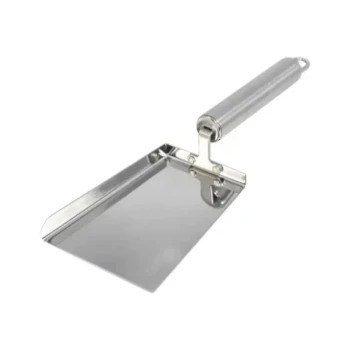
- Heavy-Duty Ergonomic Stainless Steel Pollen Shovel
People Also Ask
- How do bee pollen collection tools affect the quality of bee pollen used in functional dairy ice cream production?
- Why should commercial apiaries focus on the collection of diversified bee products? Maximize Your Hive’s Profit Potential
- How does a specialized pollen collector facilitate the harvesting of diverse bee products? Automate High-Value Yields
- What is the impact of pollen collectors and associated equipment on the cost structure of pollen production? Maximize ROI
- What is the technical significance of using specialized cutting tools for propolis? Master Precision Pollen Harvesting