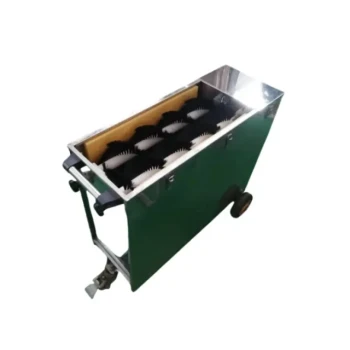
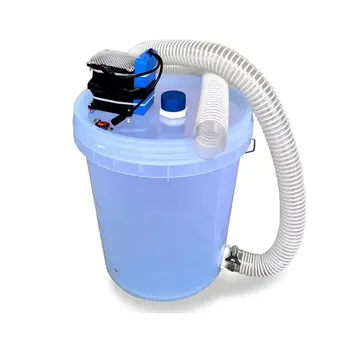
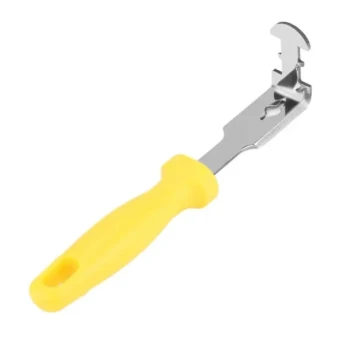
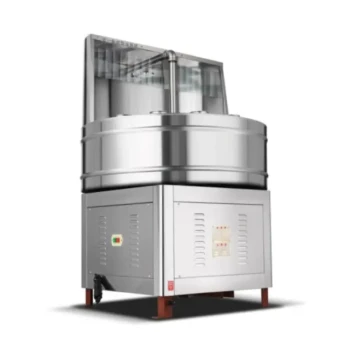
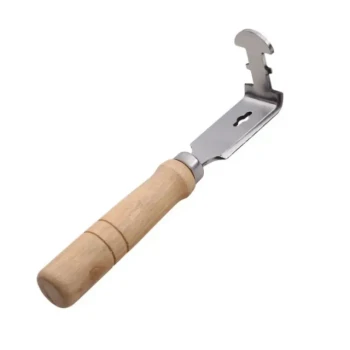
The operational mechanism relies on a dual-action process: mechanical agitation combined with chemical separation. A specialized mite washing device swirls a specific sample of bees in an isopropyl alcohol solution, which simultaneously paralyzes the mites and breaks their physical hold on the host. This combination effectively detaches the parasites, allowing them to fall through a filter for a precise, standardized count.
Core Takeaway While passive methods rely on gravity, a mite washing device forces separation through chemical paralysis and mechanical washing. This creates a standardized environment where surface tension is reduced, ensuring that nearly every mite in the sample is detached and counted for an accurate infestation metric.
The Mechanics of Separation
To understand how this device functions, one must look at how it overcomes the mite's biological defenses. The system uses a specific solvent to neutralize the parasite's grip before mechanically separating it from the host bee.
Chemical Paralysis and Release
The primary solvent used in these devices is isopropyl alcohol. Upon contact, the alcohol induces immediate paralysis in the mites.
This physiological reaction is critical because it prevents the mite from actively clinging to the bee. The solution also acts as a cleaning medium, chemically breaking the physical attachment points between the parasite and the host.
Surface Tension Reduction
Beyond paralysis, the alcohol solution alters the fluid dynamics within the device. It significantly reduces surface tension compared to water-based fluids.
This reduction prevents mites from floating or adhering to air bubbles. Instead, the detached mites sink rapidly, ensuring they move away from the cluster of bees and toward the collection area.
Mechanical Agitation
Once the chemical agent has loosened the mites, mechanical agitation completes the separation. The device is shaken or swirled to create a washing action.
Because the mites are paralyzed and the surface tension is low, the physical force of the fluid dislodges them effortlessly. This ensures that mites hidden between abdominal segments or under wings are washed free.
Filtration and Settlement
The final component of the mechanism is the filter mesh or observation window located at the bottom of the device. The mesh size is calibrated to allow mites to pass through while retaining the bees.
As the mites settle, they collect in a clear chamber. This separation enables a clear, quantitative assessment of the infestation rate without the visual obstruction of the bees themselves.
Understanding the Trade-offs
While the mite washing device provides a high degree of accuracy, it is important to weigh its operational nature against other monitoring methods.
Invasive vs. Non-Invasive Monitoring
The alcohol wash is an invasive procedure that results in the mortality of the bee sample. This is the cost of achieving a standardized, high-precision count.
In contrast, beehive bottom mite counting boards (mentioned in supplementary data) offer a non-invasive alternative. These rely on "natural mite drop" and are useful for observing trends over time without harming the colony, but they lack the immediate precision of the wash method.
Point-in-Time Data vs. Continuous Monitoring
The washing device provides a "snapshot" of the infestation level at a specific moment. It is a diagnostic tool designed to drive immediate decisions.
Passive bottom boards collect data over days, providing a cumulative view. However, the washing device is generally preferred when you need to confirm if a specific threshold has been crossed to justify immediate treatment.
Making the Right Choice for Your Goal
Selecting the correct monitoring mechanism depends on whether you prioritize sample preservation or data precision.
- If your primary focus is precise quantification: Rely on the mite washing device, as the alcohol-induced paralysis and mechanical separation provide the most accurate count of the current infestation rate.
- If your primary focus is colony preservation: Consider using bottom counting boards to monitor natural mite drop trends without sacrificing a sample of bees.
By utilizing the chemical and mechanical advantages of the washing device, you convert a biological problem into a measurable data point.
Summary Table:
| Feature | Specialized Mite Washing Device | Bottom Mite Counting Boards |
|---|---|---|
| Mechanism | Chemical Paralysis + Mechanical Agitation | Passive Natural Mite Drop (Gravity) |
| Accuracy | High / Precision Quantification | Moderate / Trend Observation |
| Impact on Sample | Invasive (Sample Mortality) | Non-Invasive (No Harm to Bees) |
| Speed | Immediate "Snapshot" Results | Cumulative (Over several days) |
| Best Use Case | Confirming Treatment Thresholds | Long-term Trend Monitoring |
Maximize Your Colony Health with HONESTBEE
At HONESTBEE, we understand that precise data is the foundation of successful commercial beekeeping. As a leading provider for commercial apiaries and distributors, we offer a comprehensive wholesale range of beekeeping tools, from precision monitoring equipment to industrial-scale honey-filling machines.
Whether you are looking to source specialized hardware or essential industry consumables, our portfolio is designed to enhance your operational efficiency and protect your investment. Contact us today to explore our full spectrum of professional beekeeping solutions!
References
- Lorenzo Santos, Lauren Helfgott. A chemical and overwintering honey bee apiary field study comparing new and expired amitraz miticide. DOI: 10.59720/22-190
This article is also based on technical information from HonestBee Knowledge Base .
Related Products
- Adjustable Formic and Acetic Acid Dispenser for Bee Mite Treatment
- Compact Circular Bee Mite Treatment Dispenser
- Gourd Shaped Hanging Wasp Trap Professional Wasp Catcher
- Heavy-Duty Ergonomic Stainless Steel Pollen Shovel
- Commercial Grade Vertical Electric Bee Sweeper for Bee Removal
People Also Ask
- How is the process regulation function of a Formic Acid Dispenser implemented? Achieve Safe, Effective Varroa Control
- Why is a specialized formic acid evaporator necessary? Ensure Safe & Effective Varroa Mite Treatment
- What role do Formic Acid Dispensers play in the biochemical control of Varroa mites? Precision Mite Management
- What is the primary function of a specialized evaporation dispenser? Master Formic Acid Varroa Control
- What is the function of specialized application devices for Varroa? Precision Control for Healthier Bee Colonies