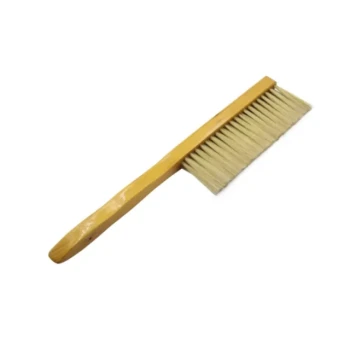
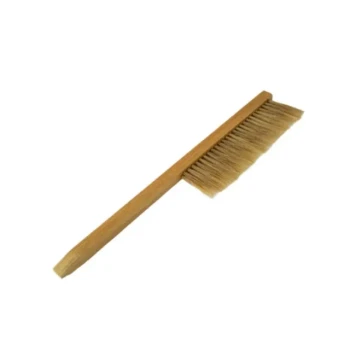
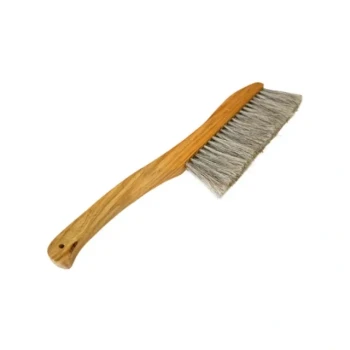
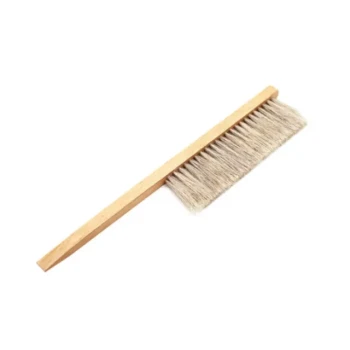
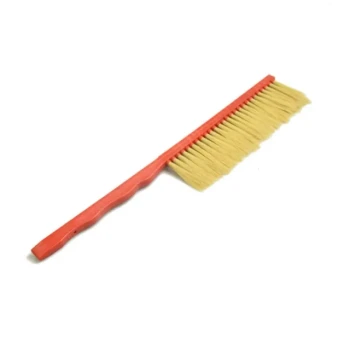
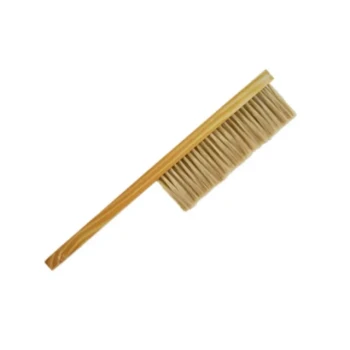
The bee brush acts as a precision tool for non-lethal insect displacement. It is specifically engineered to physically sweep bees off honeycombs and hive edges without causing injury. By utilizing soft bristles, the brush clears the workspace for the beekeeper while ensuring the physical safety of the colony’s workforce during extraction.
Core Takeaway While smoke is used to calm and disperse the colony generally, the bee brush is necessary for the targeted, physical removal of stubborn bees remaining on the comb. Its design prioritizes the preservation of bee life, ensuring that the harvest does not deplete the colony's population through accidental crushing or rough handling.
The Mechanics of Safe Displacement
Why Soft Bristles Matter
The defining physical characteristic of a bee brush is the softness of its bristles. Unlike standard cleaning brushes, these are designed to be pliable enough to yield against a bee's body.
This design prevents the bristles from crushing the bees or damaging their delicate wings and legs. The goal is to roll or flick the bees off the surface rather than scrubbing them away.
Clearing the Extraction Zone
During the collection of honeycombs, specific frames must be removed from the hive box. The brush is used to sweep the surface of the sealed honeycomb to remove any bees that did not disperse from smoke.
It is also used on the edges of the hive boxes. This ensures that when equipment is restacked or moved, bees are not crushed between the heavy wooden or plastic components.
Strategic Importance for Colony Health
Preventing Bee Casualties
The primary reference highlights that the brush ensures the workspace is cleared without harming the bees. This is not just an ethical concern; it is an operational one.
A strong colony depends on a high population of worker bees. Killing bees during harvest reduces the colony's ability to forage and winter successfully. The brush preserves the live population required for the hive's future survival.
Complementing Chemical Tools
While the supplementary reference notes that a bee smoker is used to calm and disperse bees via smoke, smoke is rarely 100% effective at clearing a specific frame.
The brush serves as the final, mechanical step in this process. After smoke has reduced defensive aggression, the brush handles the remaining bees that are too preoccupied with the comb to leave voluntarily.
Understanding the Trade-offs
The Risk of Agitation
While designed to be gentle, physical contact can still agitate bees if done incorrectly. Brushing upwards (against the grain of the bees) or brushing too vigorously can anger the colony.
Hygiene and Stickiness
A bee brush can easily become covered in honey or nectar. If the bristles become sticky, the tool loses its primary function and becomes a hazard.
Sticky bristles will tangle and kill bees rather than gently removing them. The brush must be kept clean and dry to function as intended.
Making the Right Choice for Your Goal
To effectively utilize a bee brush during honeycomb collection, consider your specific objective:
- If your primary focus is Harvesting Honey: Use the brush to gently sweep bees off the capped honeycomb frames immediately after removing them from the super, ensuring no bees are transported to the extraction room.
- If your primary focus is Hive Maintenance: Use the brush to clear the rims and joints of the hive boxes before reassembling them to prevent crushing bees and maintaining a "bee-tight" seal.
By treating the bee brush as a safety device rather than a cleaning tool, you ensure a harvest that is efficient for you and survivable for your bees.
Summary Table:
| Feature | Function & Purpose | Impact on Hive |
|---|---|---|
| Soft Bristles | Roll/flick bees without crushing wings or legs | Prevents bee casualties during harvest |
| Mechanical Action | Targets stubborn bees remaining after smoking | Clears frames for immediate extraction |
| Edge Clearing | Removes bees from hive box rims and joints | Prevents accidental crushing during reassembly |
| Safety Design | Pliable material yields to the bee's body | Preserves colony population and productivity |
Elevate Your Beekeeping Operations with HONESTBEE
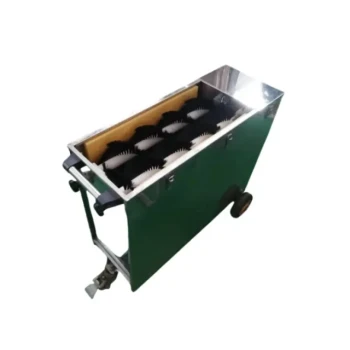
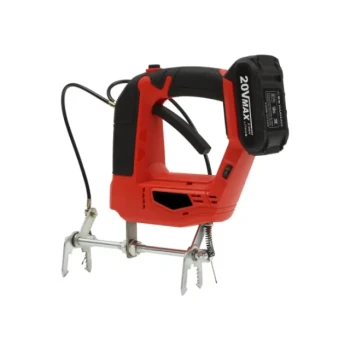
At HONESTBEE, we understand that professional beekeeping requires precision and care. As a premier partner for commercial apiaries and distributors, we provide a comprehensive wholesale range of high-quality beekeeping tools—from specialized hive-making and honey-filling machinery to essential consumables like professional-grade bee brushes.
Our products are designed to maximize your harvest efficiency while protecting the health of your colonies. Whether you are scaling your commercial operations or stocking a distribution network, we offer the hardware and honey-themed merchandise you need to succeed.
Ready to upgrade your equipment? Contact HONESTBEE Today for Wholesale Solutions
References
- Dipak Khanal, Shreekrishna Neupane. An Overview of Bee Keeping in Rupandehi District, Nepal over Seven Years. DOI: 10.3126/nepjas.v29i01.85433
This article is also based on technical information from HonestBee Knowledge Base .
Related Products
- Wooden Bee Brush with Triple Row Artificial Fiber for Beekeeping
- Classic Wooden Bee Brush with Double-Row Boar Bristles
- Premium Triple-Row Horsehair Bee Brush
- Wooden Bee Brush with Double-Row Horsehair Bristles
- Plastic Handle Single Row Artificial Fiber Bee Brush
People Also Ask
- What is the specific function of a bee brush? Ensure Pure Harvests and Colony Welfare During Honey Extraction
- What are the key characteristics of the bristles on a bee brush? Master Gentle and Efficient Bee Removal
- What is the purpose of using a bee brush during the inspection of hive components? Safe & Precise Hive Management
- What problem does a bee brush solve? Protect Your Colony with Gentle Precision Tools
- Why is a bee brush necessary when extracting honeybee hive frames that contain larvae? Protect Your Brood and Colony