The primary function of a beekeeping veil is to serve as a critical safety barrier, specifically designed to shield the user's face, head, ears, and neck from bee stings. While it is a fundamental piece of equipment for every apiarist, it is particularly useful for beginners or individuals who choose not to wear a full-body bee suit or jacket during hive maintenance.
The veil is the single most important piece of protective gear because it guards the body's most sensitive areas. It allows beekeepers to work with confidence by balancing essential protection for the head and neck with the necessary visibility to inspect hives safely.
The Principles of Protection
Targeted Safety Zones
The core purpose of the veil is to prevent stings in high-risk areas. As noted in the primary reference, it specifically protects the face, head, ears, and neck.
These areas are sensitive and often attract bees, making protection here non-negotiable. Even when a beekeeper opts for minimal gear, the veil remains essential to prevent serious injury or panic.
Visibility and Airflow
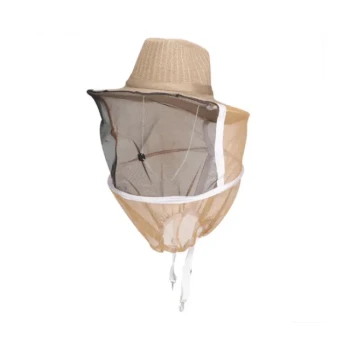
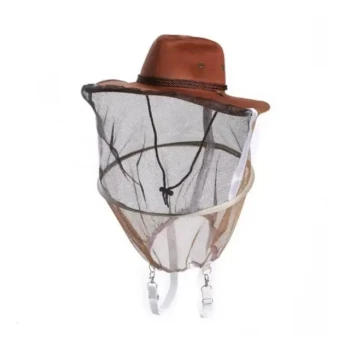
Safety in beekeeping relies on seeing what you are doing. The veil is constructed from breathable mesh that hangs past the shoulders.
This design ensures the beekeeper can breathe easily and see clearly while working. It maintains a safe distance between the mesh and the skin, ensuring bees cannot sting through the material while buzzing around the face.
Design and Construction Features
Material Composition
To balance comfort with durability, veils are typically crafted from a blend of premium cotton and synthetic materials.
This combination is robust enough to withstand wear but light enough to remain comfortable. The mesh sections are specifically designed to be oversized to extend protection down to the neck and shoulders.
Structural Integrity
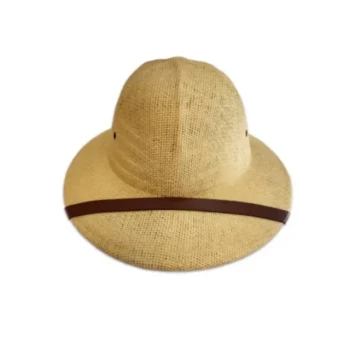
A proper veil is more than just netting; it often features an integrated soft hat and reinforced top and bottom brims.
These structural elements keep the mesh away from the face. Additionally, elastic shoulder straps are frequently included to keep the veil securely in place, preventing bees from crawling underneath the protective layer.
Evaluating the Limitations
The Coverage Trade-off
While a veil offers excellent protection for the head, it does not protect the rest of the body. Users relying solely on a veil are exposed to stings on their arms, torso, and legs.
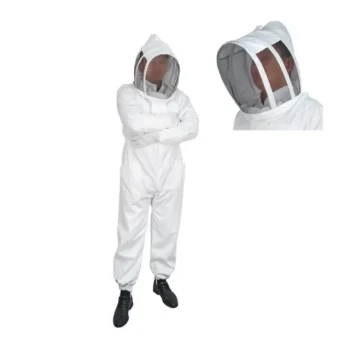
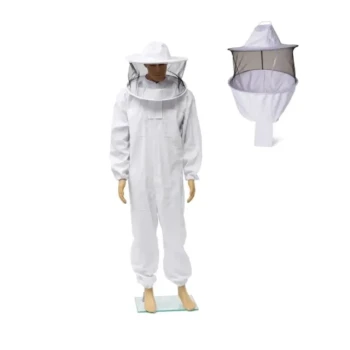
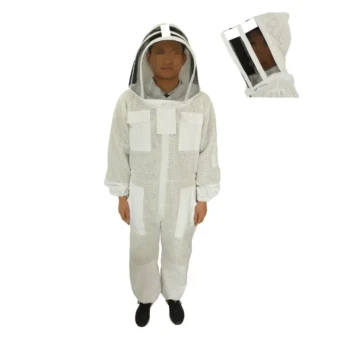
This makes the standalone veil distinct from a beekeeping jacket or full suit, which offers comprehensive coverage. A jacket is often favored for being cooler and easier to remove than a suit, but a veil alone is the most minimalist option.
Stability and Gaps
The effectiveness of a veil depends entirely on how well it seals against the body. If the elastic straps are not secured or the bottom brim is loose, bees can enter the veil.
Unlike a zip-on veil attached to a jacket, a separate veil requires the user to be vigilant about how it sits on their shoulders. Beginners must be especially careful to check for gaps before approaching a hive.
Selecting the Right Gear Strategy
To determine if a standalone veil is the right choice for your current needs, consider your experience level and the specific task at hand.
- If your primary focus is maximum portability and cooling: Choose a standalone veil for quick inspections, knowing your arms and body remain exposed.
- If your primary focus is comprehensive safety: Opt for a veil integrated into a jacket or full suit to eliminate gaps and protect the torso and limbs.
The beekeeping veil is the first line of defense, ensuring that regardless of your attire, your most vital areas remain secure.
Summary Table:
| Feature | Description | Key Benefit |
|---|---|---|
| Primary Function | Protects face, head, ears, and neck | Prevents stings in highly sensitive areas |
| Material | Premium cotton & breathable synthetic mesh | Ensures durability while maintaining airflow |
| Design | Integrated hat with reinforced brims | Keeps mesh away from skin to prevent contact stings |
| Fixation | Elastic shoulder straps | Secures the veil to prevent bees from crawling underneath |
| Ideal For | Beginners & minimalist experienced keepers | Provides essential safety for quick hive inspections |
Elevate Your Apiary Safety with HONESTBEE
At HONESTBEE, we specialize in supporting commercial apiaries and distributors with a comprehensive wholesale range of high-quality beekeeping essentials. Whether you are looking for premium protective veils, specialized hive-making machinery, or honey-themed cultural merchandise, we provide the tools you need to scale your operations efficiently.
Our Value to You:
- Full Spectrum Supply: From essential consumables to advanced honey-filling machines.
- Commercial Grade Quality: Durable equipment designed to withstand professional use.
- Bulk Wholesale Support: Tailored solutions to keep your distribution or large-scale apiary running smoothly.
Ready to upgrade your equipment or expand your inventory? Contact us today to explore our wholesale offerings!
Related Products
- Beekeeper Cowboy Hat and Veil for Beekeeping
- White Cotton Beekeeping Jacket and Veil for Bee Keepers
- Professional Square Folding Wire Mesh Beekeeping Veil
- Premium Cotton Beekeeper Suit with Reinforced Fencing Veil
- Premium Cowboy Beekeeper Hat with Visibility Veil Outdoor Professional Beekeeping Protective Gear
People Also Ask
- What is the correct way to wash a beekeeping hat and veil? Safe Hand-Washing Guide to Protect Your Gear
- What are the components and importance of a beekeeper's hat and veil? Essential Safety Gear for Apiary Success
- What are the differences between a separated and an attached beekeeping hat and veil? Security vs. Versatility
- What are the design specifications for an effective beekeeping hat and veil? Professional Standards for Protection
- What is the function of a beekeeping hat and veil? Essential Protection for Safe Hive Management