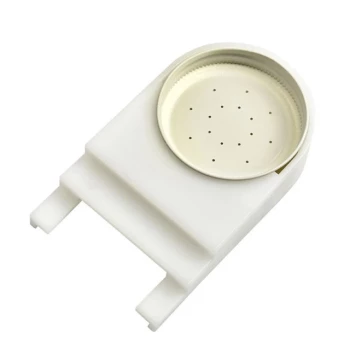
A honey bee feeder is a specialized management tool designed to artificially supply colonies with essential nutrients like sugar syrup, honey, or pollen. Its fundamental purpose is to act as a lifeline when the colony cannot gather enough resources from the wild to survive or thrive.
The primary function of a honey bee feeder is to act as a supplemental resource mechanism, ensuring colony survival when natural forage is scarce or environmental conditions prevent bees from leaving the hive.
The Strategic Role of Supplemental Feeding
A feeder is not merely a container; it is an intervention device used to stabilize the hive's energy budget. Beekeepers utilize these tools to mitigate external risks that threaten the colony's existence.
Bridging Nutritional Gaps
The most common use of a feeder is to address resource scarcity. Nature does not always provide a consistent flow of nectar and pollen.
When natural forage is unavailable—a period often referred to as a "dearth"—bees deplete their stored reserves. A feeder provides an immediate, accessible caloric intake to prevent starvation during these floral gaps.
Overcoming Environmental Constraints
Even if flowers are blooming, bees cannot always reach them. Adverse weather conditions, such as heavy rain, high winds, or extreme cold, can ground the foraging workforce.
In these scenarios, the feeder brings the resource to the bees. This allows the colony to maintain its energy levels without risking the lives of foragers in dangerous weather.
Maintaining Colony Momentum
Beyond simple survival, feeders play a critical role in colony development. Constant nutrition is required to signal safety to the queen.
References indicate that devices like division board feeders provide the energy compensation necessary to maintain queen egg-laying. By ensuring a steady food supply, the feeder helps maintain colony strength and population numbers even when external conditions are poor.
Understanding the Trade-offs
While feeders are essential, they are defined strictly as supplemental resources. They are not intended to permanently replace natural foraging.
Dependence vs. Independence
The goal of a feeder is assistance, not total dietary replacement. Relying exclusively on feeders for too long can result in the colony storing sugar syrup rather than natural honey, which affects the quality of the harvest.
Space and Disturbance
Some feeders, such as division board feeders, are installed directly inside the hive. While this places food close to the cluster, it requires opening the hive to refill and occupies space that could otherwise be used for brood or honeycomb storage.
Utilizing Feeders for Hive Health
The decision to use a feeder should be driven by the specific biological needs of your colony and the current environmental context.
- If your primary focus is Colony Survival: Deploy feeders immediately during nectar dearths or extended periods of bad weather to prevent starvation.
- If your primary focus is Population Growth: Use feeders to provide a consistent energy flow that encourages the queen to continue laying eggs during minor resource gaps.
Effective beekeeping requires recognizing when nature needs a helping hand and removing that support once the environment recovers.
Summary Table:
| Feature | Primary Function | Key Benefit |
|---|---|---|
| Resource Gap Bridging | Supplies nutrients during nectar dearths | Prevents colony starvation |
| Environmental Support | Provides food during adverse weather | Maintains hive energy without forager risk |
| Development Stimulus | Signals nutritional safety to the queen | Encourages consistent egg-laying and growth |
| Resource Mechanism | Acts as an energy budget stabilizer | Ensures long-term colony stability |
Scale Your Apiary Operations with HONESTBEE
Maintaining strong, productive colonies requires high-quality management tools. HONESTBEE is a leading partner for commercial apiaries and distributors worldwide, offering a complete range of professional beekeeping tools and industrial machinery. Whether you need reliable honey bee feeders, advanced honey-filling machines, or specialized hive-making equipment, our wholesale solutions are designed to enhance your operational efficiency and harvest quality.
Ready to elevate your beekeeping business? Contact HONESTBEE today to explore our comprehensive inventory of consumables and hardware tailored for the modern industry.
Related Products
- HONESTBEE Round Hive Top Bee Feeder for Syrup
- HONESTBEE Entrance Bee Feeder Efficient Hive Front Liquid Feeding Solution for Beekeeping
- HONESTBEE Entrance Bee Feeder Professional Hive Nutrition Solution for Beekeeping
- HONESTBEE Professional Entrance Bee Feeder Hive Nutrition Solution
- HONESTBEE Square Top Hive Bee Feeder Top Bee Feeder
People Also Ask
- What can the round hive top feeder be used for? A Guide to Efficient, Safe Bee Feeding
- What is the capacity of the round hive top feeder for syrup and pollen? A Guide to Targeted Apiary Support
- What types of hive boxes is the round hive top feeder compatible with? Universal Fit for 8 & 10-Frame Langstroth Hives
- What types of feed can be used with the round hive top feeder? Versatile Feeding for Optimal Apiary Health
- What are the different types of top feeders for bees? Choosing the Best Feeder for Your Apiary