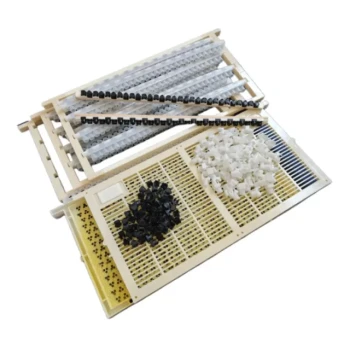
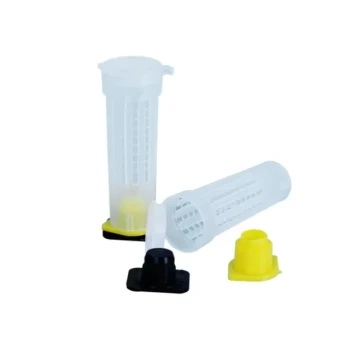
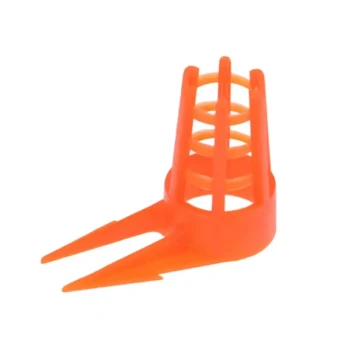
The primary function of a non-grafting queen rearing system is to compel the queen bee to lay eggs directly into artificial cell cups, thereby eliminating the need for manual larval transfer. By confining the queen within a specialized device, the system ensures that larvae begin their development in the correct vessel without human interference.
By bypassing the risks associated with manual tools, this system safeguards the biological integrity of young larvae, preventing mechanical damage and securing higher acceptance rates during the most vulnerable stage of queen production.
The Mechanics of Non-Grafting Systems
Controlled Egg Laying
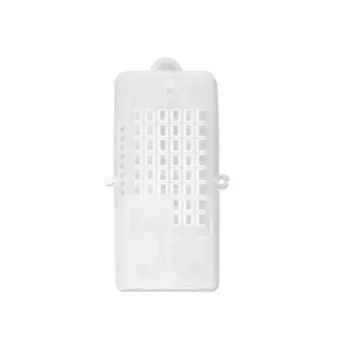
The core principle of this system is spatial restriction. The device physically confines the queen to a specific area within the hive.
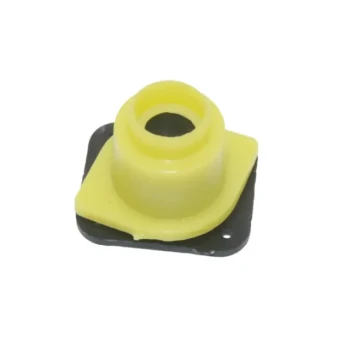
Within this confinement, the only available space for the queen to deposit her eggs is into pre-set, artificial queen cups provided by the beekeeper.
Eliminating the Transfer Step
In traditional methods, eggs are laid in worker cells and must be moved later.
The non-grafting system ensures the egg is deposited directly into the rearing cup from the moment of generation. This renders the process of "grafting"—moving a larva from one cell to another—completely obsolete.
Protecting Larval Integrity
Avoiding Mechanical Damage
Traditional grafting relies on precision needles to lift and move larvae. Even with specialized tools, this manual transfer poses a significant risk to the delicate skin of extremely young larvae.
A non-grafting system removes this variable entirely. Because the larva is never touched by a tool, the risk of physical injury or stress during transfer is reduced to zero.
Ensuring Biological Quality
The success of queen rearing is directly tied to the condition of the larva at the start of the process.
By allowing the larva to hatch and remain in the same cup, the system preserves the natural environment of the developing bee. This results in high biological integrity, which correlates to higher acceptance rates by nurse bees.
Understanding the Trade-offs
Equipment Management vs. Manual Skill
While this system removes the need for steady hands and precision needlework, it shifts the burden to equipment management.
You are trading the dexterity required for grafting for the logistical management of confining the queen and timing her release.
Constraints on the Queen
The system relies on forcing the queen's behavior through confinement.
If not managed correctly, restricting the queen to a small device can temporarily limit her overall laying capacity compared to a free-range environment.
Making the Right Choice for Your Goal
To determine if a non-grafting system is the right approach for your apiary, consider your resources and objectives.
- If your primary focus is minimizing physical risk: Choose a non-grafting system to ensure zero mechanical damage to the delicate larvae.
- If your primary focus is simplifying the workflow: distinct from high-volume commercial production, use this system to avoid the steep learning curve associated with manual grafting needles.
The non-grafting system is ultimately a tool for biological preservation, prioritizing the safety of the larva to guarantee the strongest possible start for your new queens.
Summary Table:
| Feature | Non-Grafting System | Traditional Grafting |
|---|---|---|
| Larval Transfer | None (Direct Egg Laying) | Manual (Using needles) |
| Physical Risk | Zero mechanical damage | Risk of injury to larvae |
| Skill Level | Low (Focus on timing) | High (Precision dexterity) |
| Acceptance Rate | Generally higher due to integrity | Dependent on manual skill |
| Primary Goal | Biological preservation | High-volume production |
Elevate Your Queen Rearing with HONESTBEE
Are you looking to streamline your apiary's breeding process and ensure the highest biological integrity for your queen bees? HONESTBEE specializes in providing commercial apiaries and distributors with premium beekeeping solutions.
From advanced non-grafting queen rearing kits to professional-grade hive-making and honey-filling machinery, we supply the full spectrum of equipment and consumables needed for modern beekeeping success. Whether you are scaling up production or supplying the next generation of beekeepers, our wholesale offerings are designed to deliver durability and efficiency.
Ready to upgrade your equipment? Contact us today to explore our comprehensive wholesale catalog!
References
- Haitham Ramadan. Queen Rearing Activity and Virgin Queen’s Weight for Enhancing the Beekeeping Performance among the Carniolan, Buckfast, Italian and Cordovan Bees. DOI: 10.21608/asejaiqjsae.2023.314232
This article is also based on technical information from HonestBee Knowledge Base .
Related Products
- No Grafting Queen Rearing Kit: System for Royal Jelly Production and Queen Rearing
- Jenter Queen Rearing Kit Complete Set for Bee Breeding
- Nicot Queen Rearing Kit for Beekeeping and Grafting in Nicot System
- Stainless Steel Beekeeping Queen Grafting Tool for Honey Bee Rearing
- Premium Nicot Style Queen Rearing Kit with Hair Roller Bee Cages
People Also Ask
- What is the primary function of a queen rearing kit? Eliminate Manual Grafting for Superior Bee Breeding
- How do specialized queen rearing kits and queen management tools improve the success rate of bee colony expansion?
- What are some alternative methods to grafting for queen cell production? Discover Graft-Free Queen Rearing Systems
- Are queen rearing systems generally suitable for all honeybee species? Master Efficient Breeding Methods
- Are queen rearing systems suitable for all beekeepers? Modern Tools for Every Experience Level