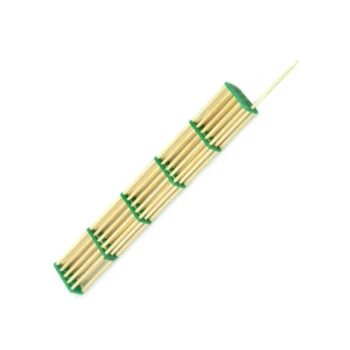
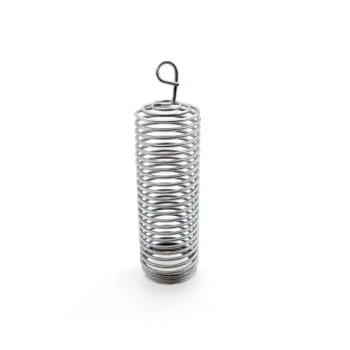
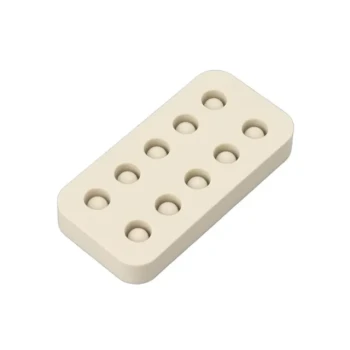
A queen isolator is a strategic management tool primarily used to restrict the queen bee's egg-laying capability during specific periods. By physically containing the queen during major nectar flows, the device prevents the creation of new brood, forcing the colony to redirect its energy from rearing larvae to collecting nectar and producing honey.
By temporarily pausing the brood cycle, you shift the colony's focus from resource consumption to resource accumulation. This redistribution of labor significantly increases honey yields by freeing up nurse bees to support the harvest.
The Mechanics of Hive Resource Management
Redirecting Colony Energy
In a typical active hive, a substantial portion of the colony's resources is consumed by the brood. Larvae require constant feeding, heating, and attention.
By utilizing a queen isolator, you effectively put a "pause" on this resource drain. The energy that would have been spent feeding thousands of larvae is instead conserved for the hive's storage needs.
Transforming the Workforce
The most immediate impact of isolation is on the nurse bees. These bees are biologically programmed to care for the brood.
When there are no new eggs to tend to, these nurse bees are liberated from their primary duties. They can then transition earlier into foraging roles or assist with processing nectar within the hive, drastically increasing the labor force available for honey production.
Strategic Timing for Maximum Yield
Targeting Major Nectar Flows
The effectiveness of a queen isolator relies entirely on synchronization. It is designed to be used specifically during major nectar flows.
If the isolation occurs when local flora is in full bloom, the colony can capitalize on the abundance. You maximize the number of foragers exactly when the environment offers the most resources.
Maintaining Biological Rhythm
Despite the intervention, this technique is designed to work within the colony's broader cycles. The primary reference notes that this can be achieved without disrupting the natural biological rhythm of the bee colony.
The goal is a temporary optimization of labor, not a permanent alteration of the hive structure.
Understanding the Trade-offs
Managing Future Population
While isolation boosts immediate honey production, it creates a gap in the brood cycle.
If the queen is restricted for too long, the colony may face a population dip in the weeks following the harvest. You must balance the desire for current honey yields against the need for a replacement workforce later in the season.
Operational Precision
Using queen isolators increases the management complexity of the apiary.
It requires physical manipulation of the hive to install and remove the device. In large-scale operations, this demands precise scheduling to ensure queens are released before the population suffers from a lack of new bees.
Making the Right Choice for Your Apiary
To determine if queen isolation fits your management strategy, consider your immediate objectives:
- If your primary focus is maximum honey production: Implement isolation specifically during the peak of your region's strongest nectar flow to convert nurse bees into foragers.
- If your primary focus is rapid colony expansion: Avoid using isolators, as continuous egg-laying is required to build the population density needed for splitting hives or pollination contracts.
Strategic queen isolation turns the biological necessity of brood rearing into a controllable variable for maximizing harvest efficiency.
Summary Table:
| Feature | Impact on Colony Management |
|---|---|
| Primary Function | Restricts queen egg-laying to pause the brood cycle |
| Energy Shift | Redirects resources from larval care to nectar collection |
| Workforce Impact | Liberates nurse bees to assist in foraging and processing |
| Optimal Timing | Deploy specifically during major nectar flows |
| Key Benefit | Significant increase in honey harvest efficiency |
| Trade-off | Temporary gap in future bee population growth |
Maximize Your Harvest with HONESTBEE Solutions
For commercial apiaries and professional distributors, efficiency is the key to profitability. HONESTBEE provides the precision beekeeping tools you need to optimize your operations. From high-quality queen isolators and hive-making machinery to professional-grade honey-filling equipment, we supply the full spectrum of hardware and consumables required to scale your business.
Whether you are looking to increase honey yields or streamline your production line, our comprehensive wholesale offering is designed to meet the demands of large-scale beekeeping. Contact us today to discover how HONESTBEE can empower your apiary with the industry's most reliable equipment and supplies.
References
- O. Mishchenko, D. Kryvoruchko. The influence of the isolation of queen bee on its reproductive capacity and honey productivity of bees. DOI: 10.33245/2310-9289-2023-178-1-67-73
This article is also based on technical information from HonestBee Knowledge Base .
Related Products
- Professional Bamboo Queen Isolation Cage
- Premium Wood Framed Metal Wire Queen Bee Excluder
- Wooden Queen Bee Excluder for Beekeeping
- High Performance Plastic Queen Excluder for Beekeeping and Apiary Management
- Metal Queen Bee Excluder for Beekeeping
People Also Ask
- Why are specialized queen bee cages used for the banking of mated queen bees? Maximize Commercial Apiary Storage Efficiency
- What is the mechanism of action for using temporary queen bee cages? Master Successful Queen Introduction
- How does the side ventilation design of a queen bee cage impact the safety of the queen during long-distance transport?
- What should you do if the queen is still in the cage and the worker bees have not accepted her? Protect Your Colony from Queen Rejection
- What technical precaution must be taken regarding the mesh or grill side of a queen bee cage? Ensure Queen Survival