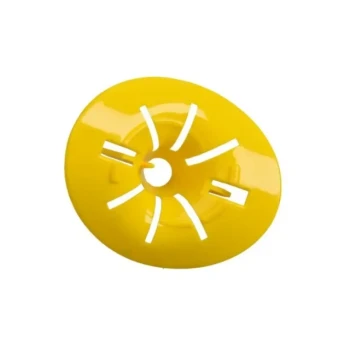
A specialized Pollen Trap serves as a critical diagnostic and harvesting tool installed at the beehive entrance. Its primary mechanical function is to intercept returning worker bees and gently dislodge pollen pellets from their hind legs using specific grids or screens. In modern management, this is utilized to obtain raw samples for analyzing local plant diversity and assessing pollen supply without harming the colony.
The trap's utility extends beyond simple harvesting; it provides the scientific basis for seasonal management. By monitoring pollen inflow, technicians can determine exactly when to implement supplemental feeding or migrate the apiary to a location with better resources.
The Mechanics of Interception
How the Trap Functions
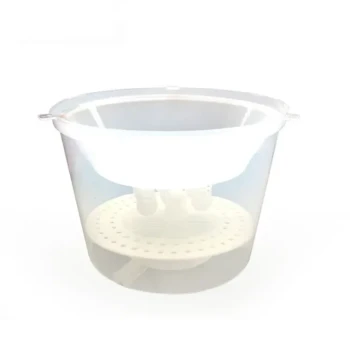
The device is typically installed at the hive entrance or integrated into the bottom board. It forces foraging bees to crawl through a mechanical barrier—usually a specialized grid or screen—to enter the hive.
Collection Without Harm
As the bees squeeze through these narrow openings, the pollen pellets stored in the "baskets" on their hind legs are mechanically scraped off. These pellets fall into a designated collection drawer or tray below, allowing for harvest without injuring the bee or destroying the hive structure.
Strategic Apiary Management
Analyzing Local Flora
The primary management function of the trap is to gauge the local ecosystem. By examining the collected pollen, beekeepers can analyze the diversity of local nectar plants currently in bloom.
Assessing Seasonal Supply
The volume of pollen collected serves as a direct indicator of resource availability across different seasons. This data highlights periods of abundance and, more importantly, periods of scarcity known as "death."
Informing Operational Decisions
This data drives the decision-making process for apiary migration. If the pollen trap indicates a failing local supply, the beekeeper has the scientific basis to move the apiary or begin seasonal supplemental feeding to prevent colony collapse.
Integrated Health and Control
Biological Pest Control
Beyond nutrition, specialized traps assist in Integrated Pest Management (IPM). The physical design of some traps, particularly bottom-board varieties, can help isolate falling Varroa mites, separating them from the bees to monitor infestation rates.
Research and Pathogen Monitoring
In advanced management scenarios, these traps are used to study colony health. They allow researchers to evaluate how physical interventions affect the colony and monitor the transmission of pathogens, such as Chronic Bee Paralysis Virus.
Understanding the Trade-offs
Balancing Harvest with Colony Needs
While pollen traps are effective, they remove a vital protein source from the hive. Overuse can lead to nutritional deficiencies within the colony, potentially hindering brood rearing and overall population growth.
Physical Stress Factors
Forcing bees through grids creates a physical bottleneck at the entrance. Beekeepers must monitor for signs of congestion or stress, as high-frequency contact at the entrance can impact foraging efficiency.
Making the Right Choice for Your Goal
To effectively utilize a specialized Pollen Trap, align its usage with your specific management objectives:
-
If your primary focus is Ecosystem Analysis: Use the trap intermittently to sample plant diversity and determine the necessity of apiary migration or supplemental feeding.
-
If your primary focus is Product Diversification: utilize the trap to harvest pollen as a marketable bee product, ensuring you rotate usage to leave sufficient protein for the colony.
-
If your primary focus is Health Monitoring: Employ the trap as part of an integrated strategy to monitor Varroa mite fall and screen for pathogen presence in foraging bees.
Mastering the use of the Pollen Trap transforms it from a simple harvesting device into a sophisticated instrument for data-driven colony management.
Summary Table:
| Feature | Primary Function | Key Benefit for Beekeepers |
|---|---|---|
| Mechanical Interception | Dislodges pollen pellets at hive entrance | Harvests raw pollen without harming the colony |
| Ecosystem Analysis | Identifies local flora diversity | Informs decisions on apiary migration and site quality |
| Resource Monitoring | Measures seasonal pollen inflow | Determines timing for supplemental feeding to prevent collapse |
| Health Diagnostics | Integrates with IPM & pathogen screening | Monitors Varroa mite infestation and colony health trends |
| Design Utility | Physical bottleneck grid | Enables product diversification for marketable bee products |
Elevate Your Apiary Operations with HONESTBEE
As a professional beekeeper or distributor, having the right tools is the difference between simple maintenance and high-yield management. HONESTBEE provides commercial apiaries with the high-performance pollen traps, hive-making machinery, and specialized honey-filling equipment needed to scale your business.
From durable hardware to essential consumables and honey-themed cultural merchandise, we offer a comprehensive wholesale portfolio designed to enhance your efficiency and product diversity.
Ready to upgrade your equipment? Contact us today to discuss how our wholesale solutions can optimize your beekeeping success!
References
- Tura Bareke, Admassu Addi. Diversity of Bee Floral Resources and Honey Production Calendar in Ethiopia’s Southwest Shoa Zone. DOI: 10.1155/2024/5428576
This article is also based on technical information from HonestBee Knowledge Base .
Related Products
- Removable Plastic Pollen Trap With Ventilated Tray for Bees Pollen Collector
- 30 cm Plastic Entrance Hole Bee Pollen Trap and Collector
- Plastic Bee Pollen Trap Strips Comb Catcher Collector
- High-Efficiency Diamond Maze Bee Escape for Clearing Supers
- Professional Bucket Style Wasp and Moth Pheromone Trap
People Also Ask
- What are the design principles and advantages of pollen traps in the collection of bee pollen? Boost Your Apiary Yield
- What is the function of professional pollen traps in evaluating honey plants? Quantifying Pollination and Crop Potential
- What functions do pollen traps serve for bee bread production? Optimize Your Raw Material Collection
- What maintenance and pest prevention measures should be taken for pollen traps? Protect Your Hive and Harvest Quality
- How does the use of pollen traps in honeybee hives enhance crop fertilization? Boost Your Yield Through Induced Activity