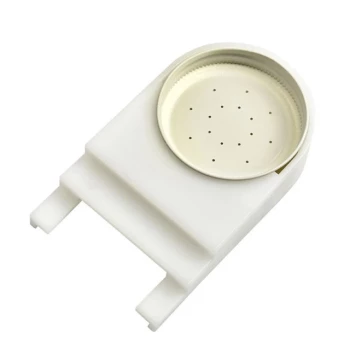
The primary function of a supplemental feeding system is to compensate for environmental resource deficiencies. Specifically, it bridges the nutritional gap caused by poor weather or seasonal scarcity, ensuring the colony maintains its biological rhythm rather than reacting to the shortage.
The core purpose of this system is to prevent the disruption of the queen bee's egg-laying cycle, thereby securing the colony's winter survival and ensuring a robust population is ready for future nectar flows.
Stabilizing Colony Dynamics
The use of a supplemental feeding system is not merely about preventing starvation; it is a strategic intervention to maintain colony momentum.
Counteracting Environmental Deficiencies
When natural sources of pollen and nectar are unavailable due to seasonal changes or adverse weather, the colony faces a nutritional deficit.
A supplemental system provides specialized syrup or protein substitutes (such as pollen patties) to fill this void. This intervention acts as an artificial resource flow, decoupling the colony's health from the unpredictability of the immediate environment.
Maintaining the Queen’s Rhythm
The most critical biological function preserved by supplemental feeding is the queen bee’s egg-laying rhythm.
Under natural conditions, a lack of pollen signals the queen to reduce or cease egg production to conserve resources. By providing substitutes, you prevent this cessation. This ensures the brood cycle continues uninterrupted, maintaining the colony's population density.
Improving Winter Survival Rates
The ultimate goal of managing these shortages is survivability.
By mitigating the negative effects of reduced pollen collection in the fall or during dearths, the system ensures the colony enters winter with sufficient health and numbers. A strong, well-fed population is statistically more likely to survive the winter months than one weakened by nutritional stress.
The Risks of Inaction
While the benefits of supplemental feeding are clear, it is important to understand the consequences of failing to intervene during these specific windows.
The Pitfall of Reactive Management
The primary risk in managing pollen shortages is allowing the colony strength to degrade before intervening.
If the queen ceases egg production due to a lack of support, there is a lag time in restarting the brood cycle. This delay can result in a population dip exactly when you need foraging capacity for the next main nectar flow. Supplemental feeding must be viewed as a preventative measure to maintain capacity, not just a rescue measure for starving bees.
Making the Right Choice for Your Goal
The application of a supplemental feeding system should be dictated by your specific objectives for the apiary.
- If your primary focus is Winter Survival: Prioritize protein substitutes to mitigate the negative effects of reduced pollen collection, ensuring the colony has the physical reserves to endure the cold.
- If your primary focus is Honey Production: Use the system to prevent egg-laying cessation, ensuring you have a maximum population of foragers ready exactly when the main nectar flow begins.
Effective apiary management relies on using nutritional tools to smooth out the peaks and valleys of nature, ensuring your colonies remain productive regardless of environmental constraints.
Summary Table:
| Key Function | Primary Benefit | Strategic Outcome |
|---|---|---|
| Resource Compensation | Fills nutritional gaps from poor weather | Decouples colony health from environment |
| Queen Rhythm Support | Prevents cessation of egg-laying | Maintains continuous brood cycles and population |
| Winter Preparation | Builds physical reserves in bees | Significantly higher winter survival rates |
| Production Readiness | Ensures foragers are ready for nectar flow | Maximizes honey yield for the coming season |
Maximize Your Apiary’s Potential with HONESTBEE
Don't let seasonal pollen shortages compromise your colony's strength. At HONESTBEE, we specialize in supporting commercial apiaries and distributors with high-performance beekeeping tools and machinery designed to streamline your operations.
From advanced honey-filling machines to essential consumables and specialized hardware, our comprehensive wholesale offering ensures you have the resources needed to maintain a robust bee population year-round. Partner with us to enhance your productivity and secure your winter survival rates.
Contact HONESTBEE Today to Discuss Wholesale Solutions
References
- Fabrice Réquier, Vincent Bretagnolle. The carry‐over effects of pollen shortage decrease the survival of honeybee colonies in farmlands. DOI: 10.1111/1365-2664.12836
This article is also based on technical information from HonestBee Knowledge Base .
Related Products
- HONESTBEE Entrance Bee Feeder Efficient Hive Front Liquid Feeding Solution for Beekeeping
- HONESTBEE Entrance Bee Feeder Professional Hive Nutrition Solution for Beekeeping
- In-Hive Dual Compartment Frame Bee Feeder for Targeted Colony Nutrition
- HONESTBEE Professional Hive Top Bee Feeder Feeding Solution
- Classic Boardman Entrance Bee Feeder Hive Front Feeding Solution
People Also Ask
- What types of bee feeders are available for beginners? Start with the Simple Entrance Feeder
- What are the advantages and disadvantages of using an entrance feeder for bees? Balance Convenience and Hive Security.
- What is a bee entrance feeder and what are its drawbacks? Essential Guide to Hive Security and Feeding Efficiency
- How does a bee entrance feeder work? A Simple Guide to Convenient Hive Feeding
- How to make an entrance feeder for bees? A DIY Guide for Safe & Effective Feeding