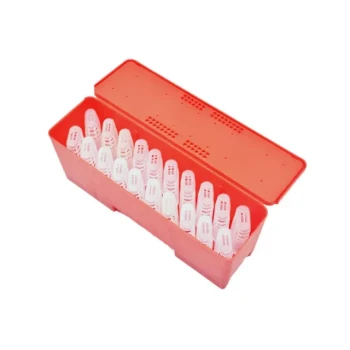
A topping box functions primarily as a specialized expansion chamber designed to segregate honey storage from the colony's brood nest. Placed directly atop the original log or hive, it encourages worker bees to construct honey pots in an accessible, removable upper layer rather than within the permanent, hard-to-reach nest structure.
By physically separating the harvestable resources from the delicate brood cells, the topping box enables efficient honey extraction without compromising the colony's core structural integrity.
The Mechanics of Hive Separation
Protecting the Brood Core
The fundamental principle of the topping box is compartmentalization. In a natural setting, stingless bees intermingle brood (eggs and larvae) with food stores, making extraction difficult and risky.
The topping box creates a dedicated "upper story." This ensures the queen remains in the lower chamber (the original log), keeping the sensitive brood cells isolated from the harvesting zone.
Inducing Vertical Expansion
Worker bees naturally seek to fill available space within the nest. By installing the box above the brood chamber, beekeepers leverage this instinct to guide construction upward.
Instead of expanding horizontally or clogging the brood nest with food, the colony directs its energy toward building honey pots in the provided wooden box.
Operational Efficiency in Meliponiculture
Streamlining the Harvest
For commercial apiary management, speed and cleanliness are vital. A topping box converts a complex extraction process into a simple retrieval task.
Because the honey pots are concentrated in the box, beekeepers can harvest without dismantling the original log. This allows for convenient collection that does not require invasive digging into the colony's center.
Minimizing Colony Disturbance
Traditional harvesting methods often damage the nest structure, stressing the colony and risking the queen's safety.
The topping box significantly reduces this stress. It allows for "surgical" intervention where honey is removed while leaving the population and their reproductive center completely undisturbed.
Understanding the Trade-offs
The Critical Need for a Tight Interface
The effectiveness of a topping box relies entirely on the quality of the connection between the box and the lower brood chamber.
If the connection is poor or leaves excessive gaps, the bees will view the space as a structural breach rather than a storage area.
The Energy Cost of Gaps
When gaps exist, worker bees will prioritize sealing the area with propolis or wax rather than building honey pots.
This diverts the colony’s energy away from production and toward maintenance. A loose topping box can therefore lower overall efficiency, resulting in a box full of sealing resin rather than harvestable honey.
Making the Right Choice for Your Goal
To maximize the effectiveness of a topping box, you must align your installation method with your production goals.
- If your primary focus is Commercial Yield: Ensure a seamless, tight connection between the box and the log to prevent bees from wasting energy on propolis sealing.
- If your primary focus is Colony Preservation: Prioritize the physical separation aspect to ensure that routine inspections or harvests never expose the queen to physical danger.
The topping box is the single most effective hardware upgrade for transforming a subsistence hive into a scalable, sustainable production unit.
Summary Table:
| Feature | Primary Function & Benefit |
|---|---|
| Compartmentalization | Segregates honey pots from delicate brood cells to prevent damage. |
| Vertical Expansion | Leverages natural bee instincts to guide honey storage into removable layers. |
| Harvest Efficiency | Enables quick, clean extraction without dismantling the colony core. |
| Colony Safety | Minimizes stress and risks to the queen during routine honey collection. |
| Structural Seal | A tight interface ensures energy is spent on honey, not resin sealing. |
Scale Your Apiary with Professional Meliponiculture Solutions
Transitioning from subsistence to a high-yield commercial operation requires the right hardware. HONESTBEE empowers commercial apiaries and global distributors with the tools needed for sustainable growth. From precision-engineered hive-making machinery to specialized extraction tools, we provide everything required to maximize your production.
Our value to you:
- Comprehensive Wholesale Range: Full spectrum of beekeeping tools, machinery, and equipment.
- Industry Consumables: A wide array of essential supplies for daily apiary management.
- Value-Added Products: Honey-themed cultural merchandise to expand your market reach.
Ready to enhance your efficiency and protect your colonies? Contact HONESTBEE today to discuss our wholesale offerings and industrial solutions!
References
- A Pribadi, Darmini Roza. Enhancing capacity and empowering local communities live inside Thirty Hills National Park, Riau through meliponiculture. DOI: 10.1088/1755-1315/917/1/012001
This article is also based on technical information from HonestBee Knowledge Base .
Related Products
- Plastic Transporting Bee Packages and Nuc Boxes for Beekeeping
- Metal Bee Hive Stand Bee Box Stand for Beekeeping
- Australian Langstroth Beehive Boxes for Beekeeping Wholesales
- High-Performance Langstroth Bee Hives for Global Professional Beekeeping
- Professional 600D Oxford Cloth Beekeeping Tool Bag with 8 Pockets and Elastic Loops
People Also Ask
- What role do bee package boxes play in the commercial transport and expansion of honeybee colonies? - Logistic Essentials
- What are beekeeping boxes called? A Guide to Hive Bodies and Box Types
- How do standardized bee packages serve as a recovery mechanism for commercial beekeeping? Ensure Business Continuity
- What is the commercial value of using standardized bee packages? Drive Scalability in Large-Scale Apiaries
- Why is the timely introduction of high-quality bee packages critical? Save Your Apiary from Asian Hornet Invasions