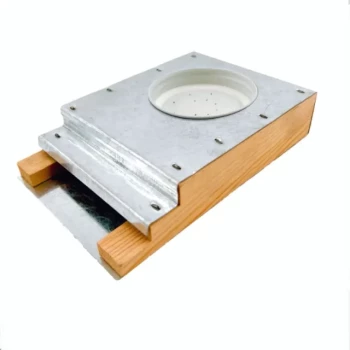
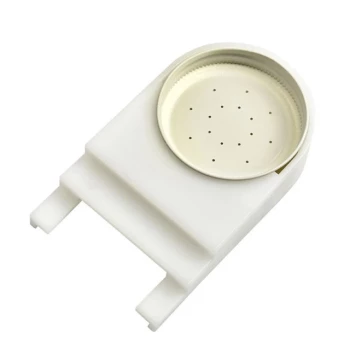
The primary function of bee feeders is to supplement a honeybee colony's food supply when natural resources are unavailable or insufficient. These devices are critical infrastructure in commercial apiculture, designed to ensure the health and vitality of the hive by providing nourishment during specific periods of environmental stress.
Bee feeders serve as a nutritional bridge for the colony. They prevent starvation and maintain hive momentum during "nectar dearths," ensuring that productivity does not stall when nature fails to provide adequate forage.
The Role of Supplemental Nutrition
Addressing Environmental Gaps
The most urgent use case for a bee feeder is during a nectar dearth. This occurs when the natural environment stops producing enough nectar to sustain the colony's population.
Without intervention, a lack of forage can lead to a rapid decline in hive health. Feeders allow the beekeeper to artificially supply the necessary calories to keep the colony alive and functioning.
Supporting Colony Establishment
Feeders are not only for established hives facing starvation; they are also vital for new colonies.
When a new hive is first established, it lacks the stored resources of a mature colony. Providing immediate access to feed helps these young colonies stabilize and grow without relying solely on immediate foraging success.
Operational Impact on the Apiary
Maintaining Hive Vitality
The overarching goal of using feeders is to maintain the vitality of the livestock.
A commercial operation relies on strong, active bees to produce honey and pollinate crops. Feeders prevent the nutritional stress that weakens bees, making them susceptible to disease or collapse.
Enhancing Productivity Consistency
Commercial apiculture requires predictability.
By mitigating the risks associated with poor weather or seasonal gaps in flora, feeders help stabilize the operation. They ensure the "hardware" of the hive remains biologically active and ready to produce when the nectar flow returns.
Understanding the Trade-offs
Supplementation vs. Sustainability
It is important to recognize that feeders provide supplemental nutrition, not a permanent replacement for a diverse natural environment.
Reliance on feeders indicates a gap in the local ecosystem's ability to support the bees at that moment. While essential for survival during dearths, they represent an input cost (equipment and feed) that aims to offset a temporary lack of free natural resources.
Making the Right Choice for Your Goal
Ideally, feeders should be deployed strategically based on the specific condition of your apiary and the season.
- If your primary focus is colony survival: Deploy feeders immediately during nectar dearths to prevent starvation and maintain population numbers.
- If your primary focus is colony expansion: Utilize feeders when establishing new hives to provide the energy required for rapid stabilization and growth.
Effective use of bee feeders turns a potential seasonal crisis into a manageable operational task.
Summary Table:
| Function | Description | Key Benefit |
|---|---|---|
| Bridge Nectar Dearths | Supplements food during seasonal gaps in forage | Prevents colony starvation |
| Colony Establishment | Provides instant energy for new or young hives | Speeds up stabilization and growth |
| Maintain Vitality | Reduces nutritional stress and disease susceptibility | Ensures hive health and resilience |
| Operational Stability | Mitigates risks from poor weather or low flora | Enhances predictability for honey production |
Maximize Your Apiary's Productivity with HONESTBEE
At HONESTBEE, we understand that commercial beekeeping requires more than just passion—it requires high-performance infrastructure. As a dedicated partner to commercial apiaries and global distributors, we provide a comprehensive range of professional beekeeping tools, machinery, and consumables designed to keep your colonies thriving.
From advanced bee feeders and hive-making equipment to precision honey-filling machines, our wholesale solutions are built to scale with your business. Protect your livestock and ensure consistent output even during nectar dearths with our industry-leading supplies.
Ready to upgrade your commercial operations?
Contact Us Today to Request a Catalog and Wholesale Quote
Related Products
- Rapid Bee Feeder White Plastic 2L Round Top Feeder for 8 or 10-Frame Bee Hives
- HONESTBEE Entrance Bee Feeder Professional Hive Nutrition Solution for Beekeeping
- White Plastic 0.5L Beekeeping Entrance Feeder for Bees
- HONESTBEE Entrance Bee Feeder Efficient Hive Front Liquid Feeding Solution for Beekeeping
- HONESTBEE Professional Entrance Bee Feeder Hive Nutrition Solution
People Also Ask
- What should be done with feeders and equipment after feeding bees? Essential Steps for Apiary Health
- What should be done if feed in a feeder is not consumed by the bees? Prevent Hive Mold with Prompt Feed Management
- What is the necessity of specialized internal or entrance feeders? Secure Your Hive with Professional Feeding Tools
- How do bee feeders work to preserve colony health during nectar shortages? Essential Guide for Beekeepers
- How quickly does a medium to strong colony usually empty a feeder? A Beekeeper's Guide to Hive Health