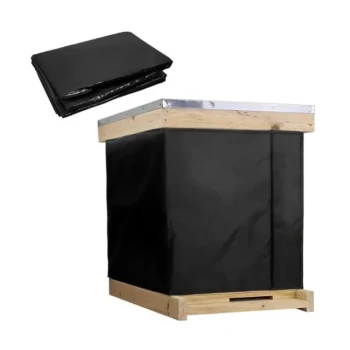
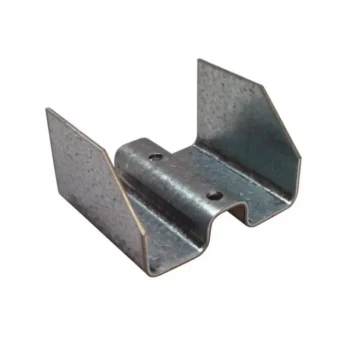
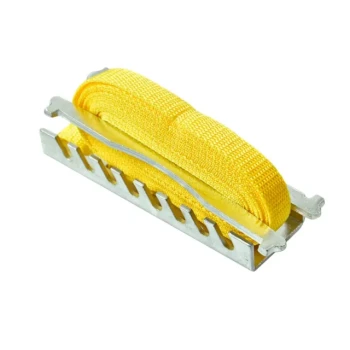
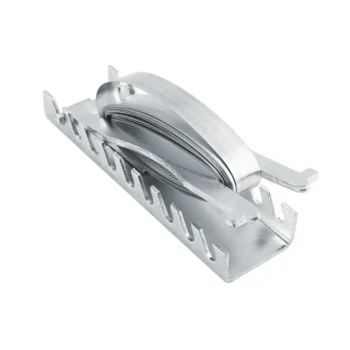
Metal sheet cladding serves as a comprehensive external shield designed to secure traditional beehives against specific threats found in subtropical environments. Its primary function is twofold: it acts as a weather-resistant cover against heavy rain and direct sunlight, and simultaneously provides a robust mechanical barrier to stop predators from breaching the colony.
By integrating metal cladding with hanging devices, beekeepers create a defense system that ensures colony survival by neutralizing the two biggest threats in subtropical climates: harsh environmental elements and aggressive predators.
Safeguarding Against Environmental Stress
Deflecting the Elements
The first critical role of metal sheet cladding is environmental regulation. In subtropical climates, hives are exposed to extreme weather variations that can threaten colony viability.
The metal acts as a physical shield, deflecting heavy rainfall that could otherwise waterlog the hive. Simultaneously, it protects the colony from the intensity of direct sunlight, helping to moderate the internal environment.
Enhancing Durability
Beyond immediate weather protection, the cladding extends the structural integrity of the hive. By preventing direct exposure to the elements, the underlying hive materials are less likely to rot or degrade over time.
The Physical Barrier Strategy
Mechanical Defense Against Predators
The physical properties of the metal surface create a formidable obstacle for local wildlife. The material is hard and difficult to grip or tear through.
This mechanical barrier is specifically effective against distinct predators such as honey badgers, which use force to enter hives. It also prevents smaller invaders, such as ants, from easily infiltrating the colony structure.
Securing the Perimeter
This protection is not passive; it actively denies access. The cladding ensures that the "survival and security" of the colony is maintained even in areas with high predator density.
System Dependencies and Considerations
Reliance on Support Structures
It is important to understand that metal sheet cladding is rarely a standalone solution. The primary reference indicates it is typically used in conjunction with hanging devices to secure hives to trees.
Context-Specific Application
The effectiveness of this system is highly contextual. It is specifically optimized for subtropical climates, where the combination of intense sun, heavy rain, and specific predators (like badgers) creates a unique threat profile.
Evaluating the Protection System for Your Needs
To determine if this protection method aligns with your specific beekeeping context, consider the following goals:
- If your primary focus is Environmental Stability: Implement metal cladding to shield the hive structure from the damaging effects of heavy subtropical rainfall and intense solar radiation.
- If your primary focus is Predator Control: Utilize the metal surface as a mechanical hardening measure to prevent physical breaches by honey badgers and infiltration by ants.
Effective protection requires viewing the cladding not just as a cover, but as a critical component of a broader security system.
Summary Table:
| Protection Feature | Primary Benefit | Target Threat |
|---|---|---|
| Weather Shield | Moisture & Heat Regulation | Heavy rain, direct sunlight, and rot |
| Mechanical Barrier | Structural Hardening | Honey badgers, bears, and large predators |
| Surface Texture | Deterrence & Grip Prevention | Ants and climbing pests |
| System Integration | Enhanced Colony Survival | Combined with hanging devices for trees |
Secure Your Apiary with HONESTBEE Professional Equipment
Protecting your colonies requires more than just basic covers; it demands industrial-grade reliability. HONESTBEE specializes in serving commercial apiaries and distributors with a comprehensive range of high-durability beekeeping tools and machinery.
Whether you need specialized hive-making machines to manufacture reinforced structures, honey-filling machines for your harvest, or a bulk supply of essential industry consumables, we provide the hardware and expertise to scale your operations safely.
Ready to upgrade your beekeeping infrastructure? Contact our expert team today to discuss wholesale solutions tailored to your regional climate and predator challenges.
References
- Marta Zelalem Mengistu, Tariku J. Beyene. Beekeeping In Ethiopia A Case Of Agrochemical Use In West Gojjam Zone. DOI: 10.1080/0005772x.2014.11417575
This article is also based on technical information from HonestBee Knowledge Base .
Related Products
- Metal Hive Feet Bee Hive Stand for Ant Protection
- Telescopic Beehive Outer Cover Lid Roof with Galvanised Sheeting for Langstroth Hive and Beehive Outer Cover
- Metal Bee Hive Stand Bee Box Stand for Beekeeping
- Inner Beehive Cover for Beekeeping Bee Hive Inner Cover
- Beehive Entrance Reducer Guardian Metal Hive Entrance for Bees
People Also Ask
- What are the benefits of elevating a bee hive with a stand or base? Protect Your Colony and Your Back
- How does a beehive stand protect against predators and pests? Essential Strategies for Colony Security
- How should the height of a beehive stand be determined? Find Your Ergonomic Sweet Spot
- What to stand a beehive on? The Best Foundation for a Healthy, Manageable Apiary
- How do beehive stands and ground installation methods affect beekeeping productivity in extreme climates? Maximize Yields