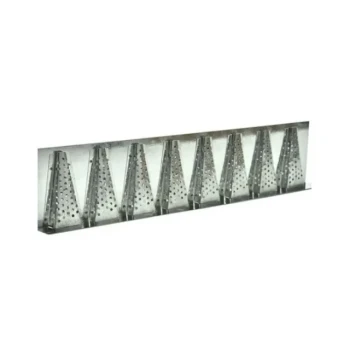
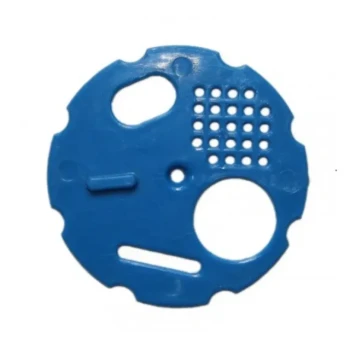
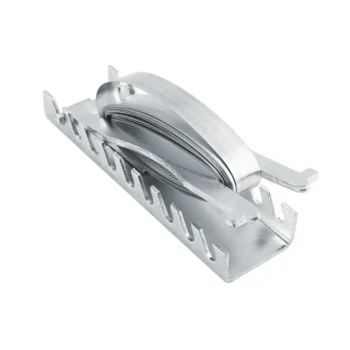
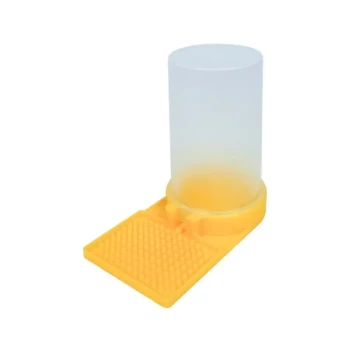
The primary function of physical barriers is mechanical interception. These devices act as a gatekeeper, physically blocking adult Large Hive Beetles from entering the hive through the main opening. Because honeybees lack effective natural defenses against this specific predator, these barriers serve as an essential artificial shield, preventing the beetles from accessing and preying upon bee larvae and food stores.
While honeybees can defend against many threats, they cannot naturally repel the Large Hive Beetle effectively. Physical barriers compensate for this vulnerability by mechanically excluding adult beetles, serving as the first line of defense for the colony's brood and resources.
The Necessity of Artificial Defense
Compensating for Biological Vulnerability
Honeybees do not possess effective natural mechanisms to repel Large Hive Beetles.
Without human intervention, the colony is left exposed to invasion. Physical barriers fill this biological gap by acting as a substitute for the defenses the bees lack.
Protecting Vital Resources
The immediate goal of the barrier is to protect the colony's future and its food supply.
Once inside, beetles prey on bee larvae and consume stored food. Blocking entry is particularly critical for weaker colonies, which are less able to withstand the stress of resource depletion and predation.
Strategic Impact on the Colony
Simulating Natural Defenses
Well-designed barriers or narrow entrances mimic natural honeybee behaviors.
In nature, bees use propolis to narrow their hive entrances as a defense mechanism. Physical barriers artificially replicate this geometry, assisting the colony in managing its own security.
Disrupting the Reproductive Cycle
The function of the barrier extends beyond simple blocking; it acts as a form of population control.
By preventing the entry of adult beetles, the barriers reduce the probability of beetles mating and reproducing within the hive body. This helps stop a minor presence from escalating into a full-scale infestation.
Prerequisites for Barrier Effectiveness
The Limitation of Entrance Barriers
It is critical to understand that an entrance barrier is only effective if the rest of the hive is sealed.
Large Hive Beetles are highly invasive and will exploit any available opening. If the hive body has structural flaws, the beetles will simply bypass the guarded entrance entirely.
Maintenance as a Prerequisite
The installation of a physical barrier must be paired with rigorous equipment maintenance.
Cracks, holes, or gaps caused by aging wood or poor assembly render entrance barriers useless. High-quality hive hardware is a non-negotiable prerequisite for the success of mechanical pest control.
Optimizing Your Hive Defense Strategy
To effectively manage Large Hive Beetle invasions, you must view the physical barrier as part of a holistic system.
- If your primary focus is immediate colony protection: Install physical barriers to mechanically intercept beetles and protect vulnerable larvae, especially in weaker colonies.
- If your primary focus is long-term barrier efficacy: Prioritize the structural integrity of the hive body, sealing all cracks and gaps to ensure beetles cannot bypass the entrance guard.
Effective management requires a barrier that is impassable and a hive structure that offers no alternative routes.
Summary Table:
| Feature | Function of Physical Barriers | Impact on Hive Management |
|---|---|---|
| Primary Role | Mechanical Interception | Blocks adult beetles from entering the hive body. |
| Colony Support | Biological Compensation | Protects bee larvae and food stores from predation. |
| Reproduction | Population Control | Disrupts the beetle mating cycle by denying entry. |
| Strategic Benefit | Defensive Simulation | Replicates natural propolis-narrowing behaviors. |
| Core Requirement | Structural Integrity | Requires a fully sealed hive body to be 100% effective. |
Secure Your Apiary with Professional-Grade Hardware
Protecting your colonies from Large Hive Beetle invasions requires more than just a barrier; it demands precision-engineered hive components that leave no room for error. At HONESTBEE, we specialize in supporting commercial apiaries and distributors with high-performance beekeeping tools and machinery designed for durability and pest exclusion.
From advanced hive-making machines to robust hive hardware and industry-standard consumables, our comprehensive wholesale offerings ensure your operations remain efficient and your colonies stay protected. Don't let structural gaps compromise your defense—partner with HONESTBEE for the high-quality equipment your business deserves.
Ready to upgrade your wholesale supply? Contact us today to explore our full spectrum of beekeeping solutions!
References
- Hossam F. Abou‐Shaara, Sulaiman Ali Alharbi. Modeling the Invasion of the Large Hive Beetle, Oplostomusfuligineus, into North Africa and South Europe under a Changing Climate. DOI: 10.3390/insects12040275
This article is also based on technical information from HonestBee Knowledge Base .
Related Products
- Steel Round Disc Entrance Reducer for Flexzion Bee Hive Nuc Box Gate
- Beehive Entrance Discs Plastic Bee Entrance Disc for Bee Hives
- Beehive Entrance Reducer Guardian Metal Hive Entrance for Bees
- 8-Cone Galvanized Steel Bee Robber Guard
- Professional Reversible Beehive Hive Entrance
People Also Ask
- What is the purpose of an entrance reducer for a beehive? Strengthen Colony Defense and Prevent Robbery
- Why are entrance reducers used to counter hornet infestations? Protect Your Hive with Strategic Choke Points
- Why is it critical to maintain a smaller entrance for a newly established bee hive? Boost Colony Growth and Security
- Under what conditions should a beekeeper adjust the size of a beehive entrance? Seasonal & Defense Management Tips
- What is the function of an entrance reducer on a beehive? Strengthen Colony Defense and Climate Control