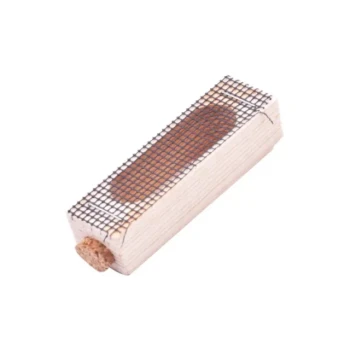
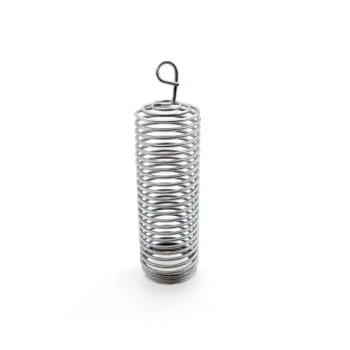
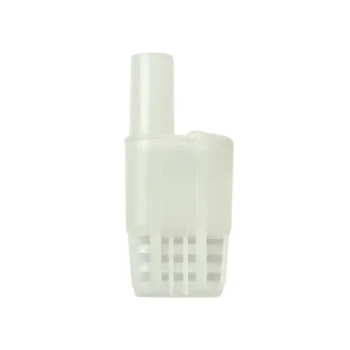
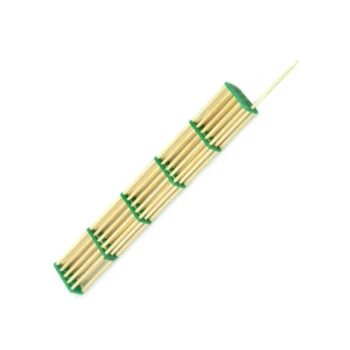
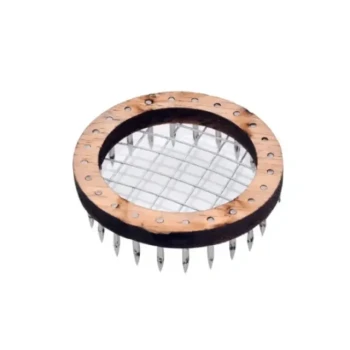
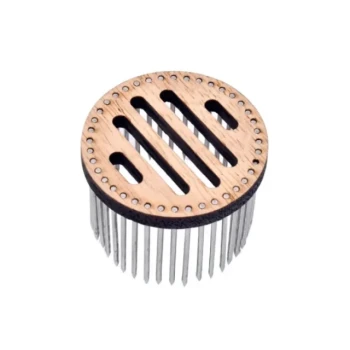
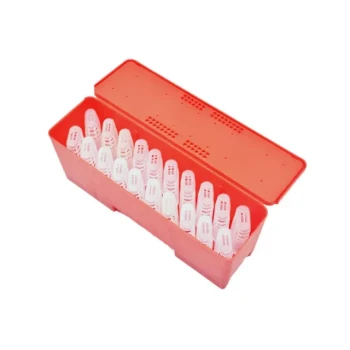
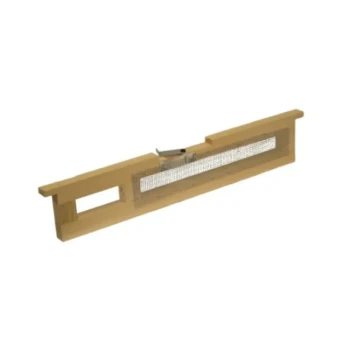
The primary function of professional Queen Cages is to serve as secure, ventilated containers that protect live honey bee specimens during collection and transport. These specialized tools are engineered to provide a controlled physical space that prevents crushing or injury while facilitating the necessary gas exchange to keep the bees alive until they reach the laboratory.
The core purpose of the Queen Cage is to preserve the biological integrity of the sample. By preventing physical trauma and ensuring survival through proper ventilation, these cages guarantee that the specimens remain viable for accurate viral analysis and pathogen detection.
The Mechanics of Sample Preservation
Prevention of Physical Injury
The most immediate function of a Queen Cage is to act as a rigid structural barrier.
During the chaotic process of transport, honey bees are vulnerable to external pressure. The cage ensures the bees are kept within a controlled physical space, eliminating the risk of crushing or impact damage that would render the sample useless.
Facilitating Gas Exchange
Survival during transit is contingent on air quality.
Queen Cages are designed with specialized ventilation structures that allow for continuous gas exchange. This design feature ensures that the live specimens maintain their vital signs throughout the journey, preventing asphyxiation before analysis can begin.
The Critical Role in Data Integrity
Minimizing Physiological Stress
Beyond simple survival, the quality of the container impacts the quality of the data.
By providing a stable environment, these cages minimize physiological stress on the bees. High stress levels can alter biological markers, so reducing this variable is essential for maintaining the biological integrity of the sample.
Ensuring Accurate Viral Analysis
For virus monitoring to be effective, the raw biological material must be reliable.
The Queen Cage serves as an isolation tool that protects the specimen from environmental impurities and physical degradation. This protection ensures that the laboratory results reflect the true health status of the colony rather than damage sustained during shipping.
Common Pitfalls to Avoid
Compromised Ventilation
While the cages are designed for airflow, user error can negate this function.
If the specialized ventilation structures are obstructed by packing materials or debris, gas exchange will fail. This leads to specimen mortality, which can compromise the validity of the subsequent viral monitoring.
Ignoring the "Controlled Space" Limits
The cage offers protection only if it is not overcrowded.
Forcing too many specimens into a single cage violates the principle of a controlled physical environment. This increases the likelihood of physical injury and stress-induced changes in the bees, undermining the reliability of the viral data.
Ensuring High-Quality Data Collection
To maximize the accuracy of your virus monitoring program, select and utilize your transport hardware based on these priorities:
- If your primary focus is Specimen Survival: Ensure the ventilation structures of the Queen Cage remain completely unobstructed during the packing process.
- If your primary focus is Analytical Accuracy: Utilize the rigid structure of the cage to isolate samples immediately, preventing any physical handling that could crush the specimen.
The Queen Cage is not merely a shipping container; it is the first line of defense in maintaining the scientific validity of your biological samples.
Summary Table:
| Key Feature | Primary Function | Benefit for Monitoring |
|---|---|---|
| Rigid Structure | Prevents crushing and physical injury | Preserves biological integrity of specimens |
| Ventilation Slots | Facilitates continuous gas exchange | Ensures specimen survival during transit |
| Controlled Space | Minimizes physiological stress | Reduces biological marker fluctuations |
| Isolation Barrier | Protects from environmental impurities | Ensures accurate laboratory viral detection |
Secure Your Apiary's Health with Professional Solutions
At HONESTBEE, we understand that accurate data begins with superior hardware. As a premier partner for commercial apiaries and distributors, we provide a comprehensive wholesale range of beekeeping tools, machinery, and essential consumables designed for professional-grade operations.
From high-performance Queen Cages that ensure sample survival to advanced honey-filling machines and hive-making hardware, our portfolio is built to scale your business and protect your colonies.
Ready to elevate your beekeeping operations? Contact us today to explore our wholesale offerings and discover how our expertise can drive your success.
References
- Linde Morawetz, Karl Crailsheim. Prevalence of bee viruses in Austria in the year 2018. DOI: 10.22323/1.366.0007
This article is also based on technical information from HonestBee Knowledge Base .
Related Products
- Professional Queen Bee Introduction and Transport Cage
- Classic Wooden and Mesh California Queen Cage
- Professional Queen Cage with Sliding Gate and Feeder Plug
- Durable Galvanized Steel Spring Queen Bee Cage
- Professional Multi-Functional Queen Bee Cage
People Also Ask
- Why are specialized queen bee cages used for the banking of mated queen bees? Maximize Commercial Apiary Storage Efficiency
- What is the mechanism of action for using temporary queen bee cages? Master Successful Queen Introduction
- How is a queen bee released from a queen cage? Ensure Safe Colony Integration & Hive Success
- What materials are required to install a queen bee's cage into a hive? Essential Tools for Successful Queen Integration
- How long should a queen bee stay in the cage before being released? Ensure a Successful Introduction