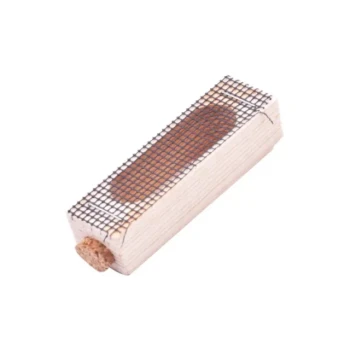
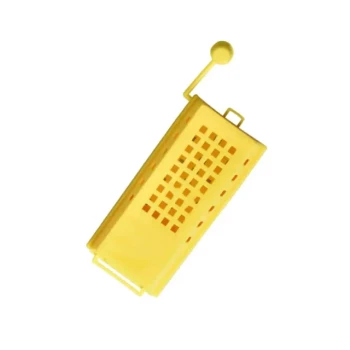
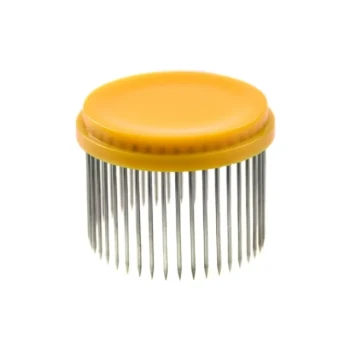
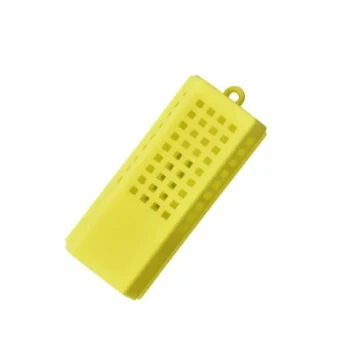
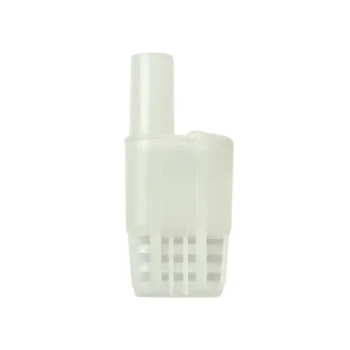
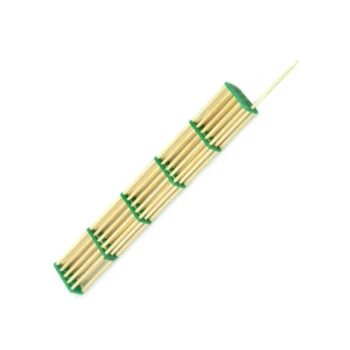
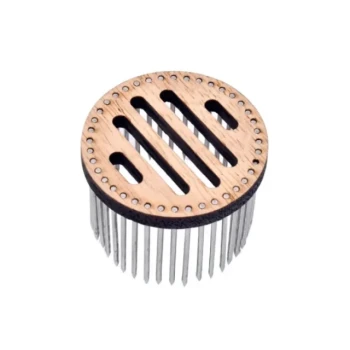
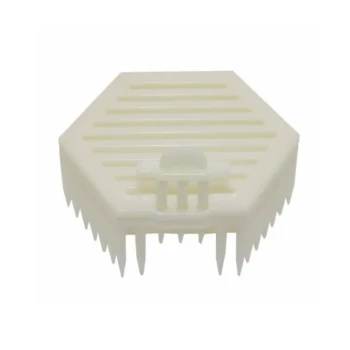
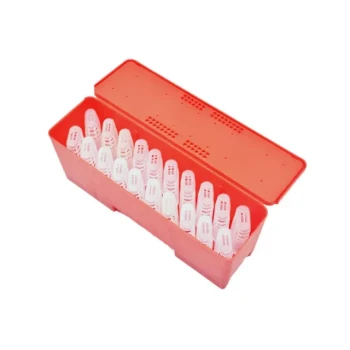
The primary function of small queen cages in summer brood interruption is to physically confine the queen in a restricted space that completely prevents egg-laying.
By halting egg production for a specific period—typically 21 to 28 days—the beekeeper induces an artificial "broodless" state. This process eliminates the protective capped cells where Varroa mites reproduce, forcing the entire mite population onto adult bees where they are fully exposed to treatment.
Core Takeaway Small queen cages are not merely containment devices; they are synchronization tools. By temporarily stopping brood production, you force all Varroa mites out of hiding and into a vulnerable, phoretic state, significantly increasing the effectiveness of subsequent miticide applications.
The Mechanics of Induced Broodlessness
Eliminating the Sanctuary
Varroa mites rely on capped brood cells to reproduce and survive. Inside these cells, they are shielded from many treatments and physical removal.
The small queen cage restricts the queen's movement to a space too small for egg-laying. This breaks the continuous cycle of brood production.
The 21 to 28 Day Window
The duration of confinement is calculated precisely based on the honeybee metamorphosis cycle.
By caging the queen for 21 to 28 days, you allow time for all currently developing brood to hatch. Once the last bee emerges, the colony is completely devoid of capped brood.
Exposing the Varroa Population
Forcing the Phoretic Stage
When no capped brood is available, mites have nowhere to hide or reproduce.
They are biologically forced into the phoretic stage, meaning they must attach themselves to the bodies of adult bees. This brings 100% of the hive's mite population out into the open.
The Treatment Window
Once the colony is broodless and mites are phoretic, the efficacy of chemical treatments skyrockets.
Treatments that require contact, such as oxalic acid, are most effective during this window. Because there are no capped cells to shield the mites, the "kill rate" of the treatment is significantly higher than it would be in a colony with active brood.
Disrupting Reproductive Success
The impact of this technique extends beyond the immediate kill.
Research indicates that interrupting the mite's reproductive cycle leads to decreased reproductive success even after the queen resumes laying. This manifests as an increased sterility rate among the remaining mites.
Understanding the Trade-offs
Colony Population Management
Stopping egg-laying for nearly a month creates a gap in the workforce.
While this controls mites, it also means there will be a generation of bees "missing" in the future. This must be timed carefully during the summer to ensure the colony has enough population to overwinter successfully later in the year.
Handling Risks
Physically catching and caging the queen always carries a risk.
There is a possibility of damaging the queen during the process, or the colony rejecting her upon release if she has been isolated for too long without proper re-introduction care.
Making the Right Choice for Your Goal
This technique is a powerful tool for Integrated Pest Management (IPM), but it requires clear objectives.
- If your primary focus is Reducing Hard Chemicals: Use this method to make "soft" treatments (like organic acids) highly lethal, eliminating the need for synthetic acaricides.
- If your primary focus is Maximum Mite Clearance: Combine the brood break with an oxalic acid dribble or vaporization exactly when the colony becomes broodless for near-total eradication.
- If your primary focus is Colony Strength: ensure you time the interruption early enough in the summer so the colony can rebuild its population of winter bees before the season ends.
Mastering the use of small queen cages transforms Varroa management from a game of chance into a precise, targeted biological intervention.
Summary Table:
| Feature | Description | Impact on Varroa Control |
|---|---|---|
| Physical Confinement | Restricts queen to a space too small for egg-laying | Induces an artificial broodless state |
| 21-28 Day Window | Matches the honeybee metamorphosis cycle | Ensures all current capped brood emerges |
| Phoretic Exposure | Forces mites onto adult bees' bodies | 100% of mite population is exposed to treatment |
| Treatment Synergy | High efficacy for contact-based treatments | Maximum kill rate with minimal chemical use |
| Reproductive Break | Disrupts the mite reproduction cycle | Increases sterility among remaining mites |
Maximize Your Colony Health with HONESTBEE
Take control of Varroa management with precision tools designed for professional results. At HONESTBEE, we understand the needs of commercial apiaries and distributors. We provide a comprehensive range of high-quality beekeeping tools, machinery, and essential consumables to streamline your operations.
From durable queen cages for brood interruption to advanced honey-filling machines and specialized hardware, our portfolio is built to support your growth. Let us help you enhance hive productivity and treatment efficacy with our industry-leading wholesale solutions.
Ready to scale your apiary or stock your distribution center?
Contact Us Today to Get a Wholesale Quote
References
- Marin Kovačić, Ralph Büchler. Honey vs. Mite—A Trade-Off Strategy by Applying Summer Brood Interruption for Varroa destructor Control in the Mediterranean Region. DOI: 10.3390/insects14090751
This article is also based on technical information from HonestBee Knowledge Base .
Related Products
- Classic Wooden and Mesh California Queen Cage
- Professional Queen Bee Introduction and Transport Cage
- Professional Queen Cage with Sliding Gate and Feeder Plug
- Durable Galvanized Steel Spring Queen Bee Cage
- Wood and Mesh Push-In Queen Cage
People Also Ask
- How are queen cages used to protect newly hatched queens? Secure Your Virgin Queens During Development
- Why are queen cages or grid cages used in bee studies? Achieve Precise Biological Data for Research
- Why are professional queen cages necessary for queen replacement? Secure Your Apiary’s Future
- What should be done if bees damage the queen cage? Secure Your Queen with These Emergency Intervention Steps
- What is the correct procedure for installing a queen cage into a new hive? A Pro Guide for Colony Success