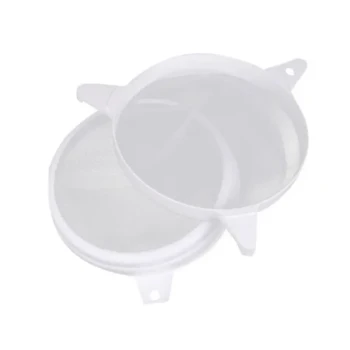
The primary function of squeezing and filtering in forest honey post-harvest processing is the effective mechanical separation of liquid honey from solid honeycomb tissues and foreign impurities. These processes act as the critical gateway between raw harvest and consumable product, directly removing wax debris and organic matter that would otherwise compromise the honey's texture and purity.
Core Takeaway Squeezing and filtering are not just extraction methods; they are fundamental preservation steps. By isolating honey from comb tissues and impurities, these processes prevent quality deterioration, ensuring the final product remains stable, pure, and visually appealing for the market.
The Mechanics of Purification
separation of Honey from Comb Tissues
The initial phase involves extracting the liquid honey from the structural containment of the honeycomb. Whether through manual squeezing or mechanical pressure, the goal is to break the comb's hold on the honey, allowing it to flow freely while leaving the bulk of the beeswax structure behind.
Removal of Physical Impurities
Raw honey extracted directly from the forest environment inevitably contains debris. Filtering steps—often using mesh strainers or specialized equipment—capture wax particles, bee parts, and other foreign materials. This ensures the physical cleanliness of the product without altering its chemical composition.
Ensuring Regulatory Compliance
Market standards for honey are stringent regarding physical contamination. Proper filtering ensures the honey meets these purity requirements, transforming a raw forest product into a commercially viable commodity that adheres to safety and quality regulations.
Impact on Quality and Stability
Preventing Quality Deterioration
The primary reference highlights that these processes are essential for preventing quality deterioration. Organic debris left in the honey can act as a catalyst for spoilage or introduce off-flavors over time. By removing these solids, you stabilize the honey's biological environment.
Enhancing Sensory Quality
Consumer perception is heavily influenced by the visual and textural aspects of honey. Filtration improves the clarity and smoothness of the honey, removing gritty wax particles that negatively affect the mouthfeel. This refinement is crucial for increasing the overall product value and consumer appeal.
Understanding the Trade-offs
The Risk of Over-Processing
While purity is improved through filtration, aggressive processing can strip honey of beneficial elements. Excessive filtration using extremely fine meshes may remove valuable pollen grains, which are markers of botanical origin and nutritional value.
Physical Damage to Combs
Squeezing is effective for extraction but is often destructive to the honeycomb structure. Unlike centrifugal extraction, which preserves the comb for reuse by the bees, squeezing typically requires destroying the comb, which impacts the long-term efficiency of the apiary if comb preservation is a goal.
Making the Right Choice for Your Goal
To maximize the value of your forest honey, align your processing depth with your target market's expectations.
- If your primary focus is Commercial Shelf Stability: Prioritize thorough filtration to remove all wax and debris, ensuring a crystal-clear product that resists spoilage and meets strict retail standards.
- If your primary focus is "Raw" or Artisanal Appeal: Utilize coarser straining methods that remove large wax particles but retain natural pollen, preserving the nutritional profile and "wild" character of the honey.
Effective processing is about finding the balance between purity and the preservation of honey's natural character.
Summary Table:
| Process Step | Primary Purpose | Impact on Final Product |
|---|---|---|
| Squeezing | Mechanical honey extraction | Separates liquid honey from beeswax structures. |
| Filtering | Debris and wax removal | Improves clarity, texture, and visual appeal. |
| Purification | Stabilization | Prevents spoilage and ensures regulatory compliance. |
| Refining | Sensory enhancement | Removes grit for a smooth mouthfeel and professional finish. |
Elevate Your Honey Production with HONESTBEE
At HONESTBEE, we understand that the right equipment is the difference between raw harvest and a premium commercial product. We specialize in supporting commercial apiaries and distributors with a comprehensive wholesale range, including:
- High-Efficiency Machinery: From advanced honey-filling machines to durable hive-making equipment.
- Professional Extraction Tools: Specialized tools designed for squeezing, filtering, and processing forest honey without compromising quality.
- Industry Consumables: A full spectrum of essential supplies and honey-themed cultural merchandise to help your brand stand out.
Whether you are scaling your operation or supplying the next generation of beekeepers, our hardware and expertise ensure your honey meets the highest market standards. Contact us today to explore our wholesale solutions and see how we can optimize your post-harvest processing.
References
- Daud Malamassam. Development of model for honey bee management in hasanuddin university educational forest. DOI: 10.1088/1755-1315/486/1/012027
This article is also based on technical information from HonestBee Knowledge Base .
Related Products
- Honey Concentrating and Filtering Dehumidifier Machine 2T Capacity for Honey
- Electric Honey Press Machine for Squeezing Honey Comb Press Equipment
- Automatic Honey Filling and Filtering Machine for Beekeeping Bottle Filling
- Electric Double Wall Honey Filtering Machine Purifier Equipment for Honey Processing Plant
- Professional Stainless Steel Honey Filtering Machine with Water Bath Heating for Beekeeping
People Also Ask
- What heating methods can be used with the honey concentrating equipment? Electric vs. Boiler Options
- How does honey filtration and processing machinery transform raw honey? Scale Your Production for Global Markets
- What maintenance should be performed when the honey concentrating equipment is not in use? Key Safety & Care Tips
- What electrical safety precaution is necessary when operating the honey concentrating equipment? Essential Grounding Tips
- What are the main functions of the honey concentrating equipment? Essential Machinery for Commercial Quality