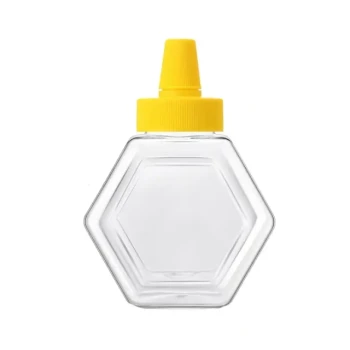
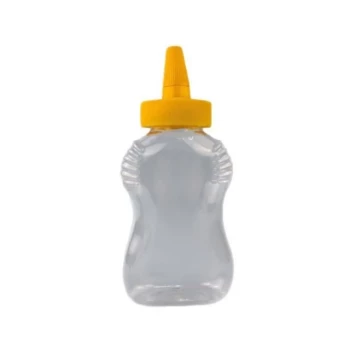
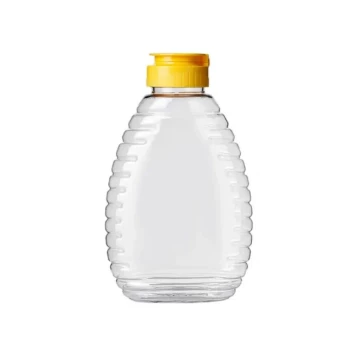
The primary function of sterile polyethylene bottles during honey collection is to act as a chemically inert barrier that prevents cross-contamination from external microorganisms and chemical impurities. By isolating the sample, these containers ensure that subsequent sensory analysis and physicochemical testing reflect the true state of the honey, rather than artifacts introduced by the packaging or environment.
Core Takeaway The use of high-density sterile polyethylene creates a "neutral zone" for samples. It eliminates the two most significant variables in analysis: secondary microbial contamination (via sterility) and material migration (via chemical inertness), ensuring data accuracy for both biological and chemical indices.
Preserving Sample Integrity
To obtain reliable laboratory results, the collection vessel must be as neutral as the environment is variable. Sterile polyethylene bottles address three distinct threats to sample quality.
Eliminating Biological Interference
The "sterile" aspect of the container is critical for accurate microbiological profiling. Honey naturally contains specific microbial loads, including yeast and molds, which are key indicators of its sanitary status.
Using a non-sterile container introduces secondary contamination, which alters total colony counts. Sterile bottles ensure that any microorganisms detected in the lab originated from the apiary, not the sampling equipment.
Ensuring Chemical Neutrality
Polyethylene (PE) is selected for its high chemical inertness. Unlike reactive materials, food-grade PE does not interact with the active components of the honey.
Crucially, this stability prevents the migration of container materials, such as plasticizers, into the sample. This is vital when testing for trace residues, such as pesticides or polycyclic aromatic hydrocarbons (PAHs), where even microscopic leeching from a container could trigger a false-positive result.
Stabilizing Physical Properties
Honey is hygroscopic, meaning it readily absorbs moisture from the air. Polyethylene offers excellent sealing properties that prevent moisture loss or gain.
This protection maintains the honey's original physical consistency and chemical concentration. It ensures that the physicochemical index testing performed in the lab corresponds exactly to the state of the honey at the moment of extraction.
Common Pitfalls and Risks
While sterile polyethylene is the standard, understanding why other methods fail highlights the importance of this specific material choice.
The Risk of Material Migration
Using non-standard plastic containers often leads to chemical migration. If the container is not high-density, food-grade polyethylene, structural compounds from the plastic can leach into the honey over time. This invalidates chemical residue analysis and can alter the sensory profile of the sample.
False Positives in Trace Analysis
Modern laboratory equipment is highly sensitive. The slightest external impurity introduced by a non-sterile or chemically reactive container can skew results. This is particularly dangerous in regulatory testing, where a false positive for pesticides or adulterants can result in the rejection of an entire batch of honey.
Making the Right Choice for Your Goal
The selection of the sampling container should be dictated by the specific analytical goals of your project.
- If your primary focus is microbiological safety: Prioritize the sterility of the container to ensure colony counts reflect the honey's sanitary status without secondary contamination.
- If your primary focus is chemical residue analysis: Prioritize high-density, food-grade polyethylene material to prevent plasticizer migration and avoid false positives in pesticide or PAH testing.
- If your primary focus is general sensory grading: Ensure the container has excellent sealing properties to prevent moisture fluctuation that could alter the honey's texture and fermentation levels.
Using sterile polyethylene bottles is not merely a procedural formality; it is a fundamental control measure that guarantees the scientific validity of your data.
Summary Table:
| Feature | Function in Honey Sampling | Benefit to Analysis |
|---|---|---|
| Sterility | Eliminates external microbes | Accurate total colony & yeast counts |
| Chemical Inertness | Prevents plasticizer migration | Avoids false positives in residue testing |
| High-Density PE | Creates a moisture barrier | Maintains original physical consistency |
| Hermetic Sealing | Prevents hygroscopic absorption | Preserves physicochemical concentration |
Elevate Your Beekeeping Standards with HONESTBEE
At HONESTBEE, we understand that precision in sampling is the foundation of honey quality. As a premier provider for commercial apiaries and distributors, we offer a comprehensive wholesale range of high-quality beekeeping tools, machinery, and essential consumables.
Whether you need specialized honey-filling machines, hive-making equipment, or industry-standard sampling supplies to ensure your product's purity, our team is here to support your growth. Contact us today to discover how our tailored solutions can optimize your production and safeguard your brand's reputation in the global honey market.
References
- Renata Valéria Regis de Sousa Gomes, Jean Carlos Cardozo da Silva. PRODUÇÃO E QUALIDADE DE MEL NA ZONA DA MATA DE PERNAMBUCO. DOI: 10.18677/encibio_2017b52
This article is also based on technical information from HonestBee Knowledge Base .
Related Products
- Professional Plastic Honey Dipper for Easy Honey Drizzling
- Hexagonal Squeeze Honey Bottle with No Drip Lid
- Classic Beehive Honey Bottle Jar with Squeeze Dispenser Lid
- Food Grade Plastic Honey Bucket Pail for Beekeeping
- Ergonomic Squeezable Honey Bottle with Precision Twist Nozzle Cap
People Also Ask
- What is a honey taking spoon called? Discover the Tool for a Perfect, Mess-Free Drizzle
- What is a honey dipper and what is it used for? A Guide to Mess-Free Drizzling
- What is a honey dipper? Master the Art of the Perfect Drizzle with This Essential Tool
- What is the proper method for cleaning a honey dipper? Maintain Pure Flavor with These Easy Pro Tips
- How do you clean and store a honey dipper? Simple Steps for Long-Lasting Performance