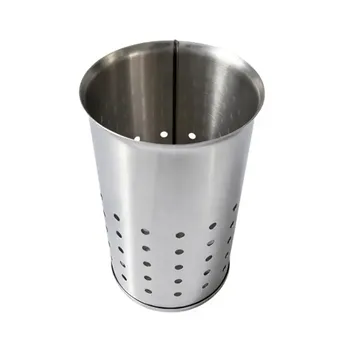
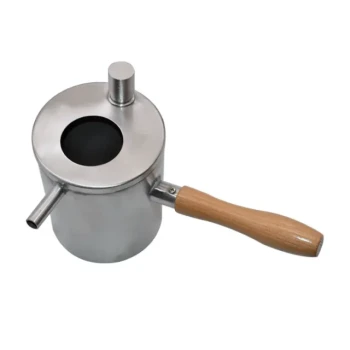
The primary function of an industrial-grade bee smoker is to generate a controlled stream of "cold smoke" that masks alarm pheromones within the hive. Unlike open flames, this method effectively calms the colony without risking thermal burns to the bees or structural damage to the honeycombs.
By replacing high-temperature open flames with controlled cold smoke, industrial smokers disrupt the colony's defensive communication without harming the insects. This shift preserves the hive's long-term health, protects the purity of the harvest, and drastically reduces the risk of accidental wildfires.
The Mechanism of Biological Interference
Masking Alarm Pheromones
The central value of a bee smoker is chemical, not thermal. Honeybees rely on alarm pheromones to communicate danger and coordinate defensive attacks.
Industrial smokers produce a dense, cool smoke that disrupts this chemical transmission. By blocking these signals, the colony acts as individuals rather than a coordinated defensive unit, significantly reducing aggression.
Inducing a Feeding State
Beyond masking signals, the presence of smoke simulates a natural fire event. This triggers a survival instinct in the bees to gorge on stored honey in preparation for potential hive abandonment.
Engaging in this feeding behavior physically limits the bees' ability to bend their abdomens to sting. This results in a docile, "calm state," allowing operators to inspect hives or harvest honey safely.
Protecting Hive Assets and Honey Quality
Cold Smoke vs. Thermal Damage
Traditional open flames release uncontrolled heat that can easily singe bee wings, kill sensitive larvae, or harm the queen.
Industrial smokers utilize a controlled combustion chamber to cool the smoke before it exits the nozzle. This ensures the smoke remains at a safe temperature, preserving the bee population and ensuring the sustainability of the colony.
Preserving Honeycomb Structure
Beeswax has a low melting point and is highly susceptible to heat damage. Direct exposure to open flames can warp or melt the honeycomb structure.
The use of cold smoke prevents structural deformation. This allows the hive to remain intact for future use, reducing the energy burden on bees to rebuild wax after harvesting.
Eliminating Contamination
Open-fire smoking often releases heavy ash, soot, and acrid odors directly onto the honey frames.
Industrial smokers are designed to minimize particulate matter. This prevents off-flavors and physical contaminants from entering the honey, thereby maintaining its commercial purity and market value.
Understanding the Operational Trade-offs
Control vs. Simplicity
Traditional plant-based smoke bundles are simple to acquire but offer erratic performance. They are difficult to direct and can flair up unexpectedly.
Industrial smokers require specific fuel and proper operation of the combustion chamber to function correctly. However, this complexity provides a continuous and stable flow of smoke. This precision allows the operator to control the direction and concentration of smoke, a level of accuracy impossible with open flames.
Making the Right Choice for Your Goal
While the industrial smoker is the superior tool for professional operations, understanding your specific objective helps clarify its value.
- If your primary focus is Commercial Honey Quality: Use an industrial smoker to eliminate ash and soot contamination, preventing off-flavors that degrade market value.
- If your primary focus is Ecological Sustainability: Use an industrial smoker to prevent accidental wildfires in nectar-rich forests and to protect the colony's queen and larvae from heat stress.
The shift to industrial-grade smokers represents a move from crude suppression to precise biological management, ensuring both operator safety and colony longevity.
Summary Table:
| Feature | Industrial-Grade Bee Smoker | Traditional Open Flame |
|---|---|---|
| Temperature | Controlled "Cold Smoke" (Safe) | High-Heat Uncontrolled Flame (Dangerous) |
| Pheromone Control | Efficiently masks alarm signals | Erratic; may increase colony stress |
| Bee Health | Prevents wing/larvae thermal burns | Risk of killing bees and the queen |
| Honey Quality | No ash or soot contamination | High risk of off-flavors and debris |
| Hive Structure | Preserves beeswax integrity | Can warp or melt honeycomb |
| Fire Safety | Contained combustion chamber | High risk of accidental wildfires |
Elevate Your Commercial Apiary with HONESTBEE
Maximize your harvest efficiency and ensure colony longevity with professional-grade solutions. HONESTBEE specializes in catering to commercial apiaries and distributors, providing a comprehensive wholesale range of high-performance beekeeping tools.
From industrial-grade smokers that protect your honey's purity to specialized hive-making and honey-filling machinery, we supply the full spectrum of equipment and essential consumables your business needs to thrive. Partner with us to access premium hardware and unique honey-themed cultural merchandise designed for the modern beekeeping industry.
Ready to scale your production? Contact HONESTBEE today to discuss our wholesale offerings and how we can support your growth!
References
- Biressaw Serda Tessema Zewudu, Moges Dereje Mohammed Aman. Beekeeping Practices, Production Potential and Challenges of Bee Keeping among Beekeepers in Haramaya District, Eastern Ethiopia. DOI: 10.4172/2157-7579.1000255
This article is also based on technical information from HonestBee Knowledge Base .
Related Products
- Professional Bee Smoker with Elongated Spout and Durable Bellows for Beekeeping
- Heavy-Duty Bee Smoker with Durable Plastic Bellows for Beekeeping
- Heavy Duty Manual Bee Smoker Blower for Beekeeping
- Premium Traditional Copper Bee Smoker with Bellows
- Stainless Steel Honey Bee Smoker Hive and Honeycomb Smoker for Beekeeping
People Also Ask
- What roles do bee smokers and precision tools play in honey harvesting? Master Safety and Quality Control
- Why is a professional bee smoker considered an essential tool for hive management and safety? Master Colony Control.
- Why is the use of professional bee smokers and specialized fuel essential? Protect Honey Purity & Colony Safety
- Why is a professional bee smoker essential for hive maintenance? Master Colony Control & Safety
- Why is a professional Smoker essential during routine apiary inspections? Enhance Safety and Operational Efficiency