The primary purpose of deploying high-density honey bee colonies in commercial almond orchards is to generate "explosive" pollination services during a critically short peak bloom window. By utilizing stocking rates of 4.4 to 5.0 hives per hectare, growers ensure that hundreds of millions of flowers receive the visitation necessary to maximize fruit set and overall commercial yield.
Large-scale almond operations utilize high-specification stocking strategies to guarantee sufficient pollination pressure. This intensive investment creates a safety buffer, ensuring that even within a limited timeframe, flower visitation frequencies reach the levels required for stable, high-volume production.
The Logic of High-Density Deployment
Addressing the Time Constraint
Commercial almond orchards face a significant biological bottleneck: the extremely short peak bloom period.
Because the window for effective pollination is brief, growers cannot rely on a gradual accumulation of flower visits. They require an immediate, massive workforce to cover the orchard the moment blooms open.
Achieving Pollination Saturation
Almonds are highly dependent on insect pollination.
To secure a commercially viable harvest, the bee population must be large enough to visit hundreds of millions of flowers. High-density deployment prevents "missed opportunities" where viable flowers go unvisited before they wither.
The Science of Visitation Frequency
The 12-to-18 Visit Threshold
It is not enough for a bee to visit a flower once.
Supplementary data indicates that flowers often require 12 to 18 visits during their lifespan to ensure successful fertilization. High colony density guarantees this repetition occurs.
Creating Pollination Pressure
Deploying five hives per hectare creates pollination pressure.
This density forces bees to forage more aggressively and thoroughly to find resources. This ensures that even self-compatible varieties reach their maximum productivity potential.
Understanding the Operational Trade-offs
High Investment for High Stability
This strategy represents an intensive investment of pollination resources.
The primary trade-off is the upfront cost of securing such a high number of hives against the potential return. However, in large-scale operations, this cost is viewed as insurance to guarantee yield stability.
The Risk of Under-Stocking
Failing to meet these industrial-grade standards creates a risk of insufficient pollination pressure.
If the stocking rate drops below the optimal 4.4 to 5.0 hives per hectare, the frequency of flower visits may decrease, potentially leading to lower fruit sets and reduced commercial yields.
Making the Right Choice for Your Goal
While high-density deployment is the standard for large-scale operations, your specific goals dictate your strategy.
- If your primary focus is Maximizing Yield: Adhere strictly to the 5.0 hives per hectare standard to ensure every flower receives the required 12-18 visits for maximum fruit set.
- If your primary focus is Operational Stability: Use these standardized rates to eliminate pollination as a variable, ensuring consistent production across large acreages regardless of minor fluctuations in bloom duration.
Ultimately, high-density stocking is not just about adding more bees; it is about securing the certainty of production in a high-stakes agricultural environment.
Summary Table:
| Key Factor | High-Density Requirement | Purpose & Benefit |
|---|---|---|
| Stocking Rate | 4.4 to 5.0 Hives per Hectare | Ensures massive workforce for peak bloom window |
| Visitation Goal | 12 - 18 Visits per Flower | Guarantees successful fertilization and fruit set |
| Primary Goal | Pollination Pressure | Forces aggressive foraging to cover millions of blooms |
| Outcome | Yield Stability | Minimizes risk of under-stocking and crop failure |
Scale Your Apiary Success with HONESTBEE
To meet the intensive demands of large-scale almond pollination, commercial apiaries and distributors require reliable, high-specification equipment. HONESTBEE specializes in supporting the industry with a comprehensive wholesale portfolio designed for professional operations. From specialized hive-making and honey-filling machinery to a full spectrum of beekeeping tools and essential consumables, we provide the hardware you need to manage high-density colonies effectively.
Maximize your operational efficiency and yield stability—contact HONESTBEE today to discuss our wholesale solutions for your beekeeping business.
References
- Ola Lundin, Neal M. Williams. Wildflower Plantings Do Not Compete With Neighboring Almond Orchards for Pollinator Visits. DOI: 10.1093/ee/nvx052
This article is also based on technical information from HonestBee Knowledge Base .
Related Products
- Langstroth Honey Bee Box Hive Boxes for Different Depths
- Honey Bee Lifecycle Model: A Detailed Honeycomb Display of Bee Development
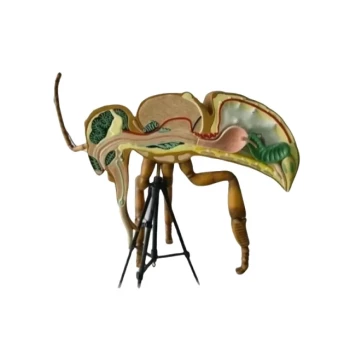
- HONESTBEE Anatomy Bee Model Detailed Anatomical Display for Education and Study
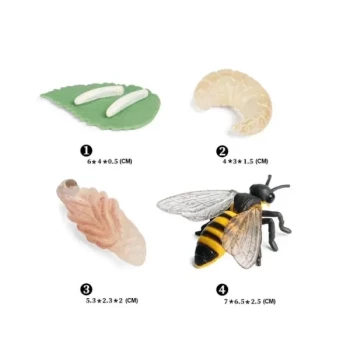
- Honey Bee Life Cycle Model 4 Stage Educational Set for Kids Learning
- Automatic Heat Preservation 6 Frame Pro Nuc Box for Honey Bee Queen Mating
People Also Ask
- What role do standardized Langstroth boxes play in commercial apiary management and honey bee research? | HONESTBEE Guide
- What are the primary advantages of using standardized Langstroth boxes? Scale Your Commercial Beekeeping Operation
- What are the differences between the three standard depths of Langstroth boxes? Choose the Best Size for Your Apiary
- What are the typical uses for the different box sizes in a Langstroth hive? Master Hive Management & Efficiency
- What features of Langstroth hive boxes contribute to expandability and honey yield? Maximize Your Apiary Production