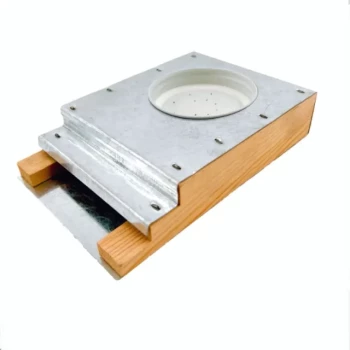
Structured bag-type feeders are designed primarily to facilitate the precise and controlled distribution of liquid supplements, such as sugar syrup, within honeybee colonies. Their fundamental purpose is to utilize a specific structural design that prevents liquid feed from overflowing, thereby ensuring the feed is delivered cleanly and effectively.
Structured bag-type feeders act as a critical control mechanism in colony management. By eliminating overflow, they ensure liquid supplements are consumed in a hygienic, efficient manner that supports the nutritional stability of the hive.
The Mechanics of Controlled Distribution
Precision in Liquid Delivery
The core function of these feeders is to move beyond haphazard feeding methods. They allow for the precise distribution of liquid supplements.
This precision ensures that the colony receives the exact amount of sugar syrup or supplement intended by the beekeeper.
Preventing Hive Overflow
The most significant operational advantage of this feeder type is its specific structural design.
This design is engineered explicitly to contain the liquid and prevent it from overflowing into the hive. Preventing overflow is critical for maintaining a dry and controlled environment within the colony structure.
Impact on Colony Health and Stability
Promoting Hive Hygiene
By containing the liquid effectively, these feeders ensure that the consumption process remains efficient and hygienic.
A hygienic feeding process reduces the risk of spoilage or contamination that can occur when sugary liquids are allowed to pool or spill within the hive.
Maintaining Nutritional Stability
Consistent access to supplements is vital for colony health.
These feeders help maintain nutritional stability during feeding cycles by ensuring the feed is available to the bees without being wasted or lost to the environment.
Understanding the Operational Goals
The Importance of Containment
When selecting a feeding method, the primary "pitfall" to avoid is the introduction of excess moisture and mess via spillage.
Structured bag-type feeders are specifically adopted to mitigate this risk. If the goal is not just to feed, but to feed cleanly, the structural integrity of the bag is the defining feature.
Efficiency vs. Volume
While some methods prioritize dumping large volumes of feed quickly, this method prioritizes efficiency of utilization.
The trade-off here favors stability and hygiene over rapid, uncontrolled bulk feeding. The focus is on ensuring the colony utilizes the resources effectively without the detrimental side effects of leakage.
Optimizing Colony Management
To determine if this feeding method aligns with your management strategy, consider your specific objectives regarding hive environment and resource control.
- If your primary focus is Hygiene: Prioritize these feeders to prevent overflow and maintain a clean internal hive environment.
- If your primary focus is Efficiency: Use this method to ensure every drop of liquid supplement is utilized by the colony rather than wasted.
- If your primary focus is Nutritional Stability: Rely on the controlled distribution of these feeders to provide consistent support across feeding cycles.
By leveraging the structural design of bag-type feeders, you transform feeding from a potential mess into a precise, stability-enhancing operation.
Summary Table:
| Feature | Benefit | Purpose in Colony Management |
|---|---|---|
| Structural Bag Design | Prevents liquid overflow | Maintains a dry, clean, and hygienic hive environment |
| Controlled Distribution | Precise supplement delivery | Ensures nutritional stability and eliminates waste |
| Hygienic Containment | Reduces spoilage risk | Minimizes contamination from pooling or spilled syrup |
| Efficiency Focus | Optimized resource utilization | Guarantees bees consume every drop of feed effectively |
Elevate Your Commercial Apiary with HONESTBEE Solutions
Efficient colony management starts with the right equipment. HONESTBEE specializes in supporting commercial apiaries and distributors with a comprehensive range of high-quality beekeeping tools and machinery. From precise bag-type feeders and hive-making machines to professional honey-filling equipment, we provide everything you need to scale your operations.
Why partner with HONESTBEE?
- Wholesale Excellence: Full spectrum of durable hardware and essential consumables.
- Industry Expertise: Solutions tailored for high-volume distributors and commercial-scale beekeepers.
- Brand Growth: Access to honey-themed cultural merchandise to expand your market presence.
Take your beekeeping business to the next level. Contact us today to explore our wholesale catalog and see how our equipment can optimize your hive productivity.
References
- Devrim Oskay, Ahmet OĞUZ. The Effect of Substitute Feeding On Drone Larvae Production Performance in Honey Bee Colonies. DOI: 10.29185/hayuretim.1184151
This article is also based on technical information from HonestBee Knowledge Base .
Related Products
- HONESTBEE Entrance Bee Feeder Efficient Hive Front Liquid Feeding Solution for Beekeeping
- Boardman Entrance Bee Feeder Durable Galvanized Steel and Wood Construction for Beekeeping
- Professional In-Hive Bee Feeder HONESTBEE Frame for Beekeeping
- Classic Boardman Entrance Bee Feeder Hive Front Feeding Solution
- Rapid Bee Feeder White Plastic 2L Round Top Feeder for 8 or 10-Frame Bee Hives
People Also Ask
- What types of bee feeders are available for beginners? Start with the Simple Entrance Feeder
- What are the advantages and disadvantages of using an entrance feeder for bees? Balance Convenience and Hive Security.
- What is a bee entrance feeder and what are its drawbacks? Essential Guide to Hive Security and Feeding Efficiency
- How does a bee entrance feeder work? A Simple Guide to Convenient Hive Feeding
- How to make an entrance feeder for bees? A DIY Guide for Safe & Effective Feeding