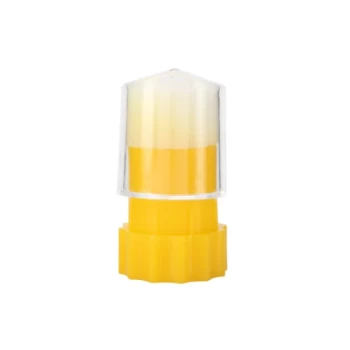
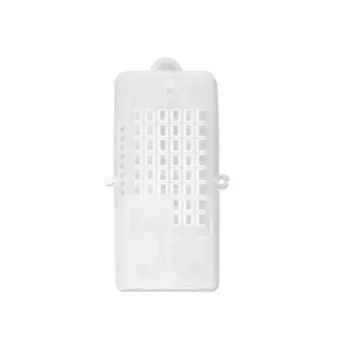
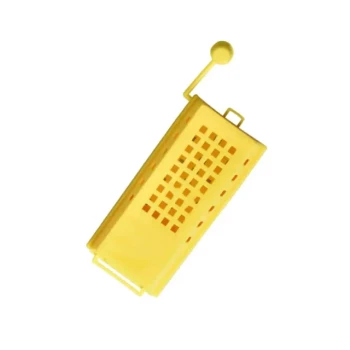
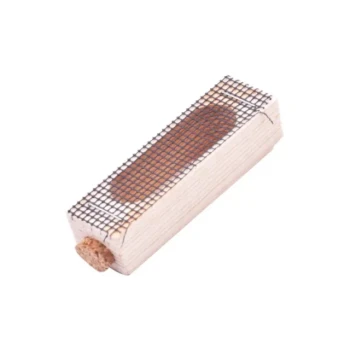
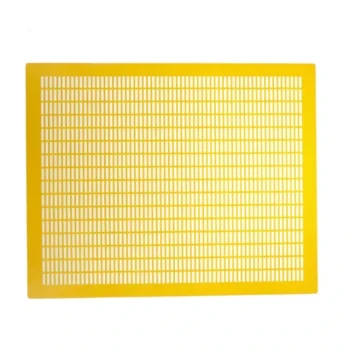
The process of introducing a queen bee relies entirely on a controlled period of pheromone acclimation within a protective cage. You must physically secure the queen between brood frames, allowing worker bees to smell and feed her through the mesh without being able to sting her, until aggression subsides and she is released to lay eggs.
Core Takeaway Success hinges on overcoming the colony's natural defense mechanisms against intruders by allowing the colony's "scent signature" to align with the new queen. This gradual exposure, typically mediated by a protective cage and a candy plug, transforms the queen from a perceived invader into the accepted heart of the hive.
Preparing the Hive Environment
Elimination of Competition
Before you can successfully install a new queen, you must ensure she has no rivals. You must conduct a thorough inspection to identify and remove any existing queen cells.
If a virgin queen emerges from a missed cell, the colony will likely reject the introduced queen. This preparation directs the colony's focus solely toward accepting the new arrival and discourages swarming behavior.
The Installation Process
Positioning the Cage
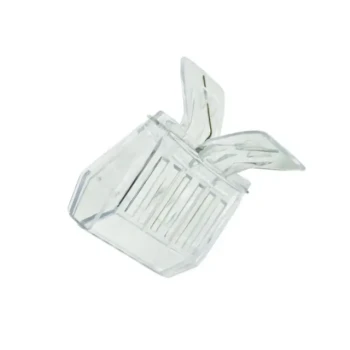
The queen is introduced inside a protective cage, which acts as a safety barrier. You must place this cage between the frames of the brood chamber.
The cage must be positioned securely so it does not shift or fall to the bottom of the hive, where the queen could become chilled or ignored.
Facilitating Interaction
Proper orientation of the cage is vital. The screen mesh must be accessible to the worker bees so they can feed the queen and investigate her scent.
You must also ensure workers have access to the candy plugs (if present). As the workers eat through this candy barrier to release her, they undergo the necessary acclimation period.
Monitoring for Acceptance
Observing Worker Behavior
After installation, you must monitor the colony for several days. The key indicator of success is not just the presence of the queen, but the attitude of the workers.
A successful introduction is confirmed when worker bees are observed feeding the queen through the cage mesh. This interaction signals that her pheromones have been integrated into the hive's identity.
Confirming Establishment
Once released—either manually or by the bees eating the candy—the queen should begin laying eggs. The presence of fresh brood is the ultimate confirmation that the queen is established and the colony is functioning normally.
Common Pitfalls and Risks
Interpreting Aggression vs. Acceptance
It is critical to distinguish between curiosity and aggression. If bees are clamping tightly onto the wire mesh or trying to sting through it, the queen is not yet accepted.
Releasing a queen while aggression persists will result in the colony "balling" (killing) her.
Handling and Marking Risks
If you choose to mark the queen to make her easier to spot later, extreme caution is required. This involves locating her on a brood frame and touching her thorax with a saturated paint marker.
However, you must apply minimal pressure. Pressing too hard or rubbing the marker can harm the queen or cause the colony to perceive her as damaged, leading to rejection.
Ensuring Long-Term Establishment
To ensure your hive thrives after introduction, align your actions with your specific management goals:
- If your primary focus is Colony Survival: Prioritize the removal of all natural queen cells before installation to eliminate lethal competition for your new queen.
- If your primary focus is Future Management: Mark the queen's thorax gently before full release to simplify future inspections and verify she hasn't been superseded.
The patience you exercise during the first few days of acclimation defines the long-term stability of your colony.
Summary Table:
| Stage | Key Action | Success Indicator |
|---|---|---|
| Preparation | Remove existing queens and queen cells | No rival virgin queens emerge |
| Installation | Secure cage between brood frames | Worker bees cluster calmly on mesh |
| Acclimation | Allow bees to eat through candy plug | Slow pheromone integration |
| Acceptance | Monitor worker-queen interaction | Bees feeding queen through mesh |
| Establishment | Verify release and egg-laying | Presence of fresh brood in cells |
Scale Your Apiary Success with HONESTBEE
Establishing a strong queen is the first step toward a productive season, but the right equipment ensures long-term colony health. HONESTBEE specializes in supporting commercial apiaries and distributors with a complete range of professional beekeeping solutions.
From precision hive-making and honey-filling machinery to high-quality beekeeping tools, protective gear, and essential consumables, we provide the hardware you need to manage your colonies efficiently. Whether you are stocking your retail shop or scaling a commercial operation, our wholesale offerings and honey-themed cultural merchandise are designed to bring maximum value to your business.
Ready to upgrade your beekeeping operations? Contact us today to explore our wholesale catalog and see how we can support your growth.
Related Products
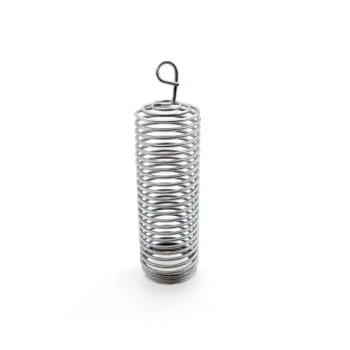
- Durable Galvanized Steel Spring Queen Bee Cage
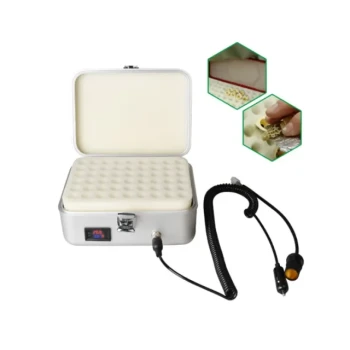
- Portable Queen Bee Incubator with 12V Car Adapter for Safe Transport
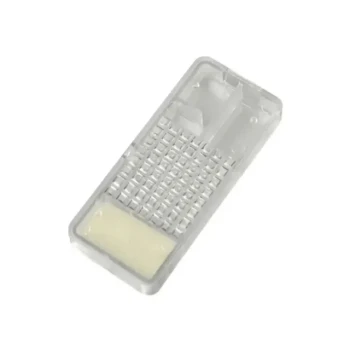
- Professional Queen Bee Introduction and Transport Cage
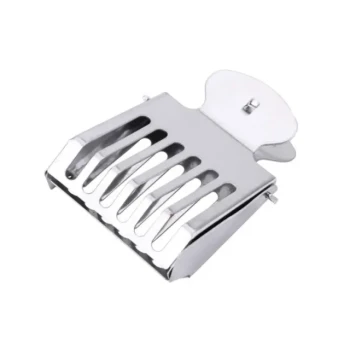
- Heavy Duty Stainless Steel Queen Bee Catcher Clip
- Queen Bee Catcher Plastic Bee Marker Bottle with Piston Marking Tube
People Also Ask
- Why are specialized queen bee cages used for the banking of mated queen bees? Maximize Commercial Apiary Storage Efficiency
- What is the mechanism of action for using temporary queen bee cages? Master Successful Queen Introduction
- What is the step-by-step process for installing a queen bee's cage onto a frame? Ensure Hive Acceptance Safely
- What is the optimal placement for a queen bee cage? Essential Strategies for Successful Re-queening
- What are the advantages and disadvantages of introducing a queen bee by embedding the cage? Boost Your Queen Acceptance