Adding crystalline soda acts as a critical force multiplier for sterilization. When dissolved at a 1% to 2% concentration in boiling water, sodium carbonate actively decomposes organic residues on metal tools, such as wax and propolis. This chemical addition creates a synergy with thermal energy to neutralize pathogens more effectively than boiling water alone.
While heat provides the primary mechanism for killing bacteria, the addition of crystalline soda breaks down the organic matter that often shields pathogens. This ensures that the sterilization process is not just surface-level, but penetrates down to the bare metal for superior hygiene.
The Mechanics of Enhanced Disinfection
Decomposing Organic Barriers
Beekeeping tools are rarely just "dirty"; they are often coated in complex organic materials like propolis, wax, and honey.
Crystalline soda chemically attacks and decomposes these organic residues.
By stripping away this protective organic layer, you remove the physical shield that allows pathogens to survive purely thermal treatments.
Synergistic Pathogen Neutralization
Heat at atmospheric pressure (100°C / 212°F) has limitations when used in isolation.
The presence of sodium carbonate creates a synergistic effect with the boiling water.
This combination raises the overall hygiene standard, neutralizing pathogens more reliably than physical cleaning or plain hot water could achieve on their own.
Optimal Concentration Levels
To achieve this effect without wasting materials, precision is required.
The recommended concentration for this solution is strictly between 1% and 2%.
This specific ratio provides sufficient chemical activity to dissolve residues while remaining manageable for standard equipment maintenance.
Understanding the Limitations and Trade-offs
Material Specificity
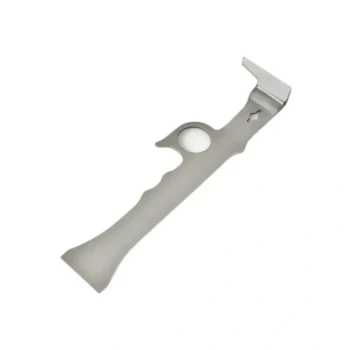
This method is specifically designed for metal beekeeping tools.
While effective on stainless steel or iron hive tools, strong alkaline solutions can react negatively with certain other materials.
Always ensure that the tools being boiled are compatible with alkaline environments to avoid corrosion or surface damage.
Residue Management
While the soda helps remove organic residue, the chemical itself must be managed.
Tools removed from this solution will carry a high-pH coating.
It is essential to rinse tools thoroughly with clean water after boiling to prevent introducing chemical contaminants back into the hive.
Optimizing Your Tool Cleaning Protocol
Integrating crystalline soda is a simple step that yields professional-grade results.
- If your primary focus is heavy buildup: Use a 2% concentration to aggressively decompose thick layers of propolis and wax that may be harboring disease.
- If your primary focus is routine maintenance: A 1% concentration is sufficient to boost the sanitizing power of boiling water for tools that are relatively clean.
By combining thermal energy with chemical decomposition, you ensure your tools are not just visually clean, but biologically neutral.
Summary Table:
| Feature | Plain Boiling Water | 1-2% Crystalline Soda Solution |
|---|---|---|
| Primary Mechanism | Thermal energy only | Synergy of heat & chemical decomposition |
| Organic Removal | Minimal (softens wax only) | Actively decomposes wax and propolis |
| Pathogen Reach | Surface level | Deep penetration to bare metal |
| Cleaning Power | Low for heavy buildup | High; strips protective organic shields |
| Recommended Use | Basic rinsing | Professional-grade sterilization |
Elevate Your Beekeeping Standards with HONESTBEE
At HONESTBEE, we understand that professional-grade hygiene is the backbone of a successful apiary. Whether you are managing a commercial enterprise or distributing premium supplies, our comprehensive range of beekeeping tools, machinery, and essential consumables is designed to meet the highest industry standards.
From durable stainless steel hive tools that withstand rigorous sterilization to advanced hive-making and honey-filling machines, we provide the hardware and expertise you need to scale your operations efficiently. Let us help you safeguard your colonies and optimize your production.
Ready to upgrade your apiary equipment? Contact us today to explore our wholesale solutions!
References
- Mirjana Bojanić Rašović. THE MOST IMPORTANT METHODS OF DISINFECTION IN BEEKEEPING. DOI: 10.17707/agricultforest.67.3.14
This article is also based on technical information from HonestBee Knowledge Base .
Related Products
- HONESTBEE 15-in-1 Beekeeper Multi-Tool with Hammer and Pliers for Beekeeping
- Stainless Steel J Hook Hive Tool for Beekeeping
- HONESTBEE Advanced Ergonomic Stainless Steel Hive Tool for Beekeeping
- Stainless Steel Queen Grafting Tool for Beekeeping and Bee Queen Grafting
- Ergonomic Plastic Frame Spacer Tool for Rapid Hive Management Beekeeping
People Also Ask
- What is the recommended method for storing beekeeping tools? Expert Vertical Storage Solutions for Your Apiary
- How does a favorable microclimate interact with beekeeping tools? Boost Overwintering Success and Equipment Longevity
- Why is the treatment of beekeeping tools with high-concentration chemical disinfectants necessary for preventing AFB?
- How does the stable local supply of beekeeping tools affect technology adoption? Building Sustainable Apiaries
- What role do specialized beekeeping tools play in pest management? Enhance Apiary Health with Precision Tech